Mazda CX70 Plug In Hybrid ownership changes daily driving because charging routines, electric commuting, regenerative braking, and gasoline backup operation all work together throughout normal travel. Drivers researching the Mazda CX70 Plug In Hybrid are usually trying to understand whether a plug in hybrid SUV changes commuting, charging, and long distance travel in ways that feel manageable compared with traditional gasoline ownership. The answer starts with understanding how the drivetrain blends electric propulsion and gasoline operation together automatically while preserving the flexibility expected from a midsize SUV.

How Plug In Hybrid Drivetrains Change Daily Driving Feel

A plug in hybrid drivetrain combines a gasoline engine, electric motor, battery pack, and transmission structure into one integrated propulsion system. The Mazda CX70 Plug In Hybrid uses electric motor torque during lower speed driving while blending gasoline power during heavier acceleration or extended travel.

Electric motors deliver torque immediately because rotational force begins without waiting for engine RPM buildup. That changes how the SUV reacts during stoplight acceleration, parking lot movement, and slower commuting speeds. Drivers transitioning from gasoline SUVs usually notice the difference quickly because the electric response feels smoother and more immediate during lower speed driving.

The Mazda CX70 Plug In Hybrid changes commuting feel through:
• Electric motor assisted acceleration
• Reduced cabin vibration during electric operation
• Smoother stop and go traffic movement
• Quieter low speed commuting response

Read the rest of this entry »

Mazda CX90 interior dimensions matter most when shoppers are trying to understand how passenger spacing, cargo layout, and third row seating work together inside a three row SUV. Exterior size only tells part of the story because cabin usability depends heavily on wheelbase length, seat positioning, cargo floor design, and passenger movement between rows. The Mazda CX90 approaches interior packaging with a longer wheelbase structure, flexible second row seating movement, and multiple cabin configurations that change how passengers and cargo fit throughout the vehicle. Drivers researching three row SUVs are usually trying to answer whether the cabin feels usable during commuting, travel, cargo hauling, and daily passenger movement rather than simply reviewing specification charts alone.

How the Mazda CX90 Uses Wheelbase Length to Create Interior Space

The Mazda CX90 feels larger inside than the previous CX9 because wheelbase length directly changes the distance between seating rows.

Wheelbase measures the distance between the front and rear axles. Increasing wheelbase length changes cabin proportions because engineers gain additional space to position seats farther apart while maintaining balanced cargo packaging behind the rear axle.

The Mazda CX90 uses this longer wheelbase structure to spread passenger spacing more evenly across all three rows. Instead of concentrating most cabin space near the front seats, the CX90 distributes interior length more effectively between the second and third rows. That changes how passengers position their legs, knees, and feet throughout the cabin.

Read the rest of this entry »

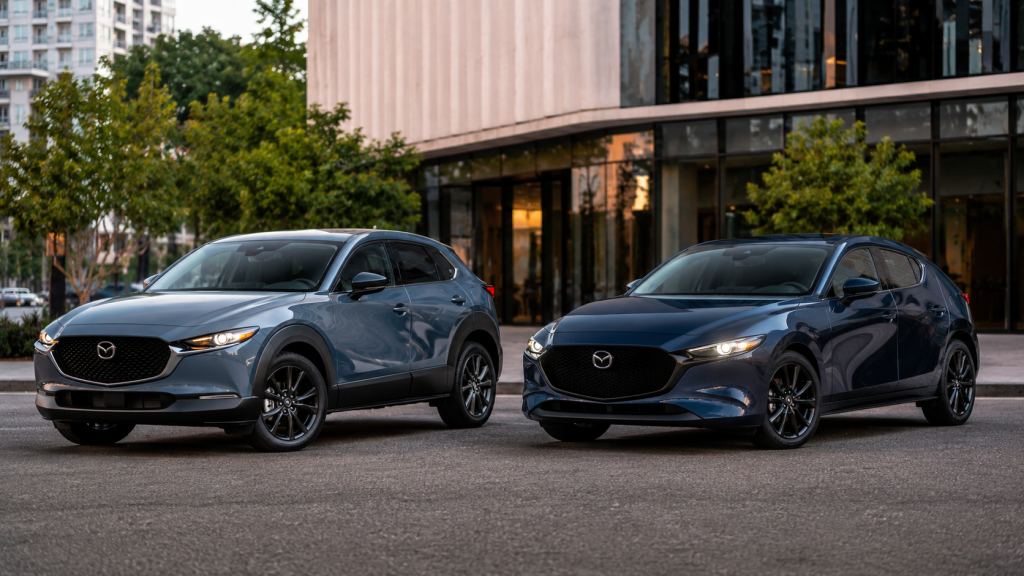
Mazda CX30 vs Mazda3 Hatchback comparisons usually begin with cargo space and vehicle size, though seating height, suspension tuning, visibility, and maneuverability shape how each model responds during urban commuting. Both vehicles occupy the compact category, though they approach city driving from different engineering directions. The Mazda CX30 leans toward crossover ride height, upright visibility, and easier cabin access. The Mazda3 Hatchback focuses more heavily on lower body movement, sharper directional response, and compact hatchback maneuverability. Drivers comparing these two Mazda models are usually evaluating which structure fits traffic movement, parking situations, cargo access, and commuting posture more effectively.
How Body Shape Changes Urban Driving Feel

The Mazda CX30 and Mazda3 Hatchback feel different in traffic because their body structures position the driver, suspension, and chassis at different heights from the road surface.

The Mazda CX30 uses a compact crossover structure with increased ride height and taller seating posture. Raising the body structure changes how the driver sees traffic movement, curbs, parking lines, and surrounding vehicles. It also changes suspension travel because the chassis sits farther from the pavement. Drivers entering tighter parking garages or navigating uneven city pavement may notice the crossover posture immediately because the higher cabin position changes outward visibility and wheel placement awareness.

The Mazda3 Hatchback uses a lower roofline and lower center of gravity. A lower center of gravity reduces body roll during cornering because vehicle weight remains closer to the pavement during directional movement. The hatchback structure also creates a more connected steering feel because the chassis settles more quickly during lane changes and tighter steering transitions.

Read the rest of this entry »

The Mazda CX-50 Hybrid is designed to bring efficiency into everyday driving without losing the sense of connection that defines Mazda’s approach to motion. For drivers in Honolulu, where short trips, traffic patterns, elevation changes, and weather shifts all influence how a vehicle performs, hybrid technology becomes less about numbers and more about how the vehicle behaves throughout the day.

Understanding how the Mazda CX-50 Hybrid works requires looking at how its powertrain responds in real conditions, how it manages energy, and how it supports daily routines behind the wheel.

How the Mazda CX-50 Hybrid Powertrain Delivers Daily Performance

Many drivers want to know whether the Mazda CX-50 Hybrid will feel responsive in everyday driving or if efficiency comes at the cost of performance. The Mazda CX-50 Hybrid powertrain combines a gasoline engine with an electric motor, allowing the vehicle to deliver power in a different way than a traditional engine.

At lower speeds, the electric motor provides immediate torque. This means the vehicle responds quickly when accelerating from a stop, without the delay that can occur in a gasoline-only engine. As speed increases, the gasoline engine works alongside the electric system to maintain consistent power.

This blended system creates a driving experience that feels smooth and controlled:

Read the rest of this entry »

The Mazda CX-5 and Mazda CX-50 are often compared because they sit close together in Mazda’s SUV lineup, but they are engineered with different intentions. Both are built around Mazda’s core philosophy of connection between driver and vehicle, yet the way they achieve that connection feels distinct once you are behind the wheel.

For drivers, the question is not simply which one is better. It is how each vehicle responds to the road, how it absorbs imperfections, and how it supports different types of driving. Understanding those differences requires looking beyond features and into how each SUV is designed to move.

How the Mazda CX-5 and CX-50 Are Engineered for Different Driving Feel

Many shoppers researching the Mazda CX-50 vs CX-5 ask what the real difference is in how they drive. The answer begins with how each vehicle is tuned and positioned.

The Mazda CX-5 is engineered with a focus on balanced on-road refinement. Its suspension tuning prioritizes smoothness, controlled body movement, and a quiet cabin experience. Steering input feels precise but relaxed, allowing the vehicle to settle into corners without feeling overly rigid.

The Mazda CX-50 is designed with a more grounded and planted feel. Its chassis and suspension are tuned to handle a wider range of surfaces, including uneven terrain. Steering response is slightly firmer, and the vehicle maintains a more connected feel to the road surface.

This difference is not about one being better than the other. It reflects two different approaches to driving:

Read the rest of this entry »

The 2026 Mazda CX-5 is built around a philosophy that prioritizes connection between driver and machine. Mazda refers to this as Jinba Ittai, the idea that the vehicle should respond as naturally as the human body. That philosophy doesn’t just influence steering or handling. It shapes how each trim level is designed, how materials are selected, and how the vehicle supports everyday driving.

For Honolulu drivers, choosing between Mazda CX-5 trims is not just about features or pricing. It is about understanding how each configuration responds to real conditions like rain, elevation changes, stop and go traffic, and longer coastal drives. The differences between trims become clearer when you look at how each one changes the driving experience, not just what it includes.

Understanding Mazda CX-5 Trim Levels and What Changes Between Them

Many shoppers ask what the actual differences are between Mazda CX-5 trims and whether moving up the lineup is worth it. The answer starts with how Mazda structures its trims.

The 2026 Mazda CX-5 trim lineup progresses in layers. Entry trims establish the core driving experience with standard all wheel drive, essential safety systems, and a balanced interior design. As you move into mid level trims, the focus shifts toward refinement, including upgraded materials, enhanced seating comfort, and expanded driver assistance features. Higher trims introduce more advanced technology and performance enhancements, including the turbocharged engine.

What makes the CX-5 different from many competitors is that each trim does not feel like a separate vehicle. Instead, each level builds on the same foundation while refining how the vehicle feels to drive and interact with.

When comparing trims, the most important differences typically fall into these categories:

Read the rest of this entry »

Your Mazda’s brakes are arguably its most critical safety feature, and they operate using a system of simple but essential pads, rotors, calipers, and brake fluid. Like any mechanical system, they’re subject to wear and tear, and any of the aforementioned components could need replacement or repair. Regular maintenance, along with addressing any issues promptly, will usually stop any crucial breakdowns before they can happen and is part of ensuring you always have braking performance and safety. Brake repair at your Mazda dealer is part of responsible car ownership.

Expert Brake Repair Services at Your Mazda Dealer

A variety of issues can plague your braking system, and some offer clues in the form of signs you can feel, hear, or sometimes see.

Hearing Things

One of the most common warnings is a high-pitched squealing or grinding sound when you apply the brakes. Worn-out brake pads usually cause this ear-piercing noise. These pads are designed to create friction against the brake rotors to slow the car down, and their friction material gradually wears away over time. When the pads get thin enough, a metal tab is revealed, and that’s what’s designed to create the squeal and let you know it’s time for new pads.

Grinding noises, on the other hand, can indicate that the pads are completely worn and metal is now grinding against metal. This does serious damage to your rotors, and you need to get things fixed pronto before you lose braking power entirely.

What You Feel

Another symptom of the need for brake repair is a soft or spongy brake pedal. This could indicate a leak in your brake line or a problem within the master cylinder, which is kind of like the control center for your brake system. Leaks in the brake system allow air to enter the lines instead of brake fluid, and this eats away at the system’s ability to transmit the force from your foot to the wheels. Since this is a critical safety issue, you shouldn’t drive your Mazda until the leak is fixed by the technicians at your Mazda dealer.

Vibrations through the brake pedal or steering wheel during braking can indicate you’ve got warped brake rotors. Rotors are the large metal discs that the brake pads squeeze against, and extreme heat buildup, often from aggressive braking, can cause the rotor surfaces to become uneven. You can also get warping if your brake pads are too thin and you’ve driven around on them like that for too long. This warping compromises the pad’s contact point, reducing braking efficiency and causing vibrations you can feel.

What You Smell

Sometimes a burning smell accompanying braking can also be a red flag. This acrid odor could signal you have overheated brake pads or an issue with a sticking brake caliper. In your brakes, there’s a caliper, which is the hydraulic clamp that squeezes the pads against the rotor. If it malfunctions and stays partially engaged, it creates constant friction, and that can do damage to both pads and rotors. Your dealership professionals will pinpoint the origin of the burning smell and rectify the issue promptly.

What Your Mazda Dealer Checks

The best way to monitor your Mazda’s brake health is with routine service appointments at your dealership. During these scheduled maintenance visits, one of our factory-trained technicians will visually inspect your brake components for wear and perform brake repair if needed. They’ll measure the thickness of the brake pads and the condition of the rotors to determine if there’s enough friction material remaining or if signs of rotor wear become too severe.

If necessary, they will replace the brake pads and may also recommend resurfacing your rotors. Resurfacing involves machining an extremely thin layer from the rotor surface. This restores its smooth, flat finish, and this, in turn, improves the new pad’s contact and enhances braking performance. In cases where there’s extreme warping or wear, they may recommend the complete replacement of the rotors.

Deeper Looks

Beyond looking at and possibly replacing pads and rotors, your Mazda dealer techs will also pay close attention to other components of your brake system, especially when you visit for those bigger checkups. They will inspect the calipers for any signs of sticking, ensuring that they clamp and release smoothly. They’ll also look for leaks in brake lines and hoses, checking for signs of cracked or weakened rubber. The brake fluid level in the master cylinder reservoir will also be monitored to ensure that it stays filled to the proper level.

In some instances, a failing master cylinder may be the culprit behind braking problems and require a brake repair. This critical component translates the pressure from your foot into hydraulic pressure throughout the brake system. If the seals within the master cylinder begin to deteriorate, it can lead to internal fluid leaks, compromising braking power and potentially leading to a spongy brake pedal.

Your dealership’s service technicians have the knowledge and tools to diagnose and replace a faulty master cylinder. Your Mazda technicians can give always you an estimate of your remaining brake life, and that allows you to plan ahead for replacement parts and service.

Always Get Things Done Right

When the time does come for brake repair, your Mazda dealer is the best place for the job. We always use genuine Mazda brake components that are designed specifically for your vehicle, ensuring you always enjoy optimal performance and longevity. Aftermarket brake components are plentiful, but they may vary in quality and often won’t match the fit, function, and durability of the original-equipment parts. OEM brakes were designed to work in your Mazda, and all the manufacturing specs of your car are built around the assumption of OEM parts.

If your brakes are showing signs of wear, or if you’re just not sure when you last had them checked, Cutter Mazda of Honolulu, HI today or call our service center at (808) 564-9160.

Meet Mazda’s performance flagship: the 2024 Mazda CX-90. This third-row SUV has been engineered and finely tuned to make every drive exhilarating. The CX-90 ups the ante further with an upscale interior and high-tech features that you’ll love.

Mi-Drive

Those who love driving get a Mazda. Although the CX-90 is an SUV, it’s still a Mazda through and through. This vehicle is a blast to take on the road. Under the hood is a high-performance inline 6-cylinder engine with up to 340 hp. Mazda’s most powerful production engine to date, this baby revs and rumbles like rippled silk. This power is translated into exquisite performance on the road with the Mazda Intelligent Drive Select (Mi-Drive) system.

MI-Drive automatically switches drive modes depending on the road conditions. These modes are: normal, sport, and off-road. An available package adds towing mode and increases towing capability up to 5,000 pounds. Supplemented by Kinematic Posture Control, which first debuted on Mazda’s celebrated Miata, the CX-90 grips the asphalt and suppresses body lift on tight corners. The result is dynamic handling that delivers exceptional road feel and a smooth ride.

Three Rows of Versatility

For families and those seeking adventure, the CX-90 can do it all. It features three rows to let you bring the whole squad and can seat up to 8 people total depending on your model. Available second-row captain’s chairs can be heated or cooled for your passengers to ride in comfort.

When you’re ready for action, these rows are configurable for versatility. If you need extra space for snowboards, bikes, or climbing gear, fold down both the second and third rows for maximum cargo room.

Harmonious Interior Craftsmanship

The 2024 Mazda CX-90’s upscale interior is a designer’s dream, with careful attention to materials and streamlined sophistication. Japanese traditional techniques, such as hand-bookbinding and Kakenui stitching, were used to create distinctively crafted details.

On available models, you’ll also find fabric upholstery on the dashboard and seats wrapped in soft Nappa leather. When it all comes together, you’ll discover a peaceful and harmonious cabin designed for your pleasure.

360 View Monitor With See-Through View

A rearview camera was just the beginning. Today, the CX-90 comes with an innovative 360-degree View Monitor with See-through View. Multiple sensors embedded around the vehicle create this panoramic vision on your dash. It will even overlay lines onto the road to guide your steering while you’re backing up or pulling into a tight spot. The coolest part is that your car appears transparent on your dash so that it doesn’t obstruct your view of other objects.

On second thought, maybe the coolest part is what appears next to it on the split-screen. To the right, you’ll also see a top-down view of your vehicle, as if Mazda hung a camera in the sky. Get ready to scratch your head in wonder and say, “How did they do that?”

Large Infotainment Display

The connected future is in your CX-90, and you’ll have access to it in full color with a generous 10.25′′ or available 12.3′′ touchscreen display. Set climate control zones, enter navigation, or cycle through music playlists right on your dash. Crank up the music on the available Bose Centerpoint Surround Sound System through its 12 speakers.

Wireless Smartphone Integration

Slide into the driver’s seat, place your smartphone on the console, and that’s all you need to do. Now, your phone is topping up on the available wireless charging pad. It’s also connected wirelessly to your vehicle’s infotainment system with Android Auto/Apple CarPlay. Enjoy the modern convenience of using your favorite smartphone apps right on your vehicle’s dash, all without fishing for a cable.

Lane Guidance Systems

At first, bigger vehicles like SUVs may take some getting used to in terms of keeping them centered. That’s no longer a concern with Mazda’s lane safety features. The Lane Departure Warning System detects line markings on the road and gives alerts if you stray unintentionally. The Lane-Keep Assist System takes this one step further with active assistance, which applies countersteering to guide you back into your lane safely.

You might be pleasantly surprised to find out that these advanced lane systems come standard on the CX-90. Once you experience how convenient they are for highway cruising, you’ll never want a car without them again.

Blind Spot Safety Systems

The driver’s seat in the 2024 Mazda CX-90 has been positioned to maximize ergonomics, and at the same time, minimize blind spots. Mazda’s engineers decided that an excellent SUV benefits from excess visibility, so they then took it to the next level.

Two cutting-edge systems on your vehicle interact to keep you safe from mishaps. Blind Spot Monitoring uses radar to sense when other vehicles enter your blind spots and alerts you with visual and audible warnings. If you initiate a lane change while another vehicle is in the way, the available Blind Spot Assist system applies active countersteering to prevent a collision. These technologies are life-saving features that you’ll come to appreciate or even find essential.

Hands-Free Power Liftgate

Even when your hands are full with groceries, you can access the cargo area with the available hands-free power liftgate. As long as your keys are in your pocket, simply inch your foot under the vehicle’s carriage. Your CX-90 will detect your presence and automatically open up.

Panoramic Moonroof

Embrace the beauty of a full moon or the natural light of spring through an expansive glass panel above. With an available power sliding panoramic moonroof, you can bring the outside in.

The CX-90 represents the future of Mazda, and at Cutter Mazda of Honolulu, this incredible vehicle comes in many packages tailored to best fit your lifestyle. Come on down and test drive the 2024 Mazda CX-90 today!

As a car owner in Honolulu, HI, you’ve probably heard of the importance of preventative maintenance. But what exactly does good vehicle upkeep entail? If you follow the Mazda maintenance tips laid out below, you’ll keep your car in better shape while saving on the cost of repairs and even boosting the resale value. A trusted technician at your local Mazda dealer can help you get started with properly maintaining your car today.

8 Tips for Maintaining Your Mazda in Honolulu, HI

Check and Change Your Motor Oil

Fresh motor oil is vital for the health of your car’s engine. Not only does motor oil lubricate all the moving parts, thereby reducing friction, but it also keeps the engine clean from sludge and debris. However, over time, motor oil wears down and can sometimes leak, which leads to rising friction, overheating, and more serious problems.

One of the most important routine Mazda maintenance tasks is to check the condition of your oil once a month and have the oil changed at least twice a year. If you regularly drive in more severe conditions, such as heavy traffic or particularly dusty roads, you may need to visit your local Mazda dealer for oil changes three or four times a year.

Top Up Your Car’s Fluids

Every car has a variety of essential fluids that keep vital vehicle components in good working condition. Be sure to check your car’s coolant at least twice a year; coolant flows through the engine, keeping things from overheating. It should usually be flushed entirely every two or three years.

Transmission fluid serves a similar purpose for the gearbox as the motor oil does for the engine while also maintaining hydraulic pressure. Transmission fluid should generally be replaced every 60,000 to 100,000 miles with automatic cars and every 30,000 to 60,000 miles for manual transmissions. You’ll also need to replace your brake fluid every two years or so. With power steering fluid and windshield wiper fluid, a regular check and top-up can often suffice.

Have Your Brakes Inspected

Most safety-conscious drivers don’t need to be told how important it is to keep their brakes in good working order. It’s advisable to have your brakes inspected by a qualified technician at your nearest Mazda dealership twice a year, which may coincide nicely with your oil changes.

Brake servicing will usually involve checking the brake fluid and also removing the brake components. This requires raising the vehicle to remove the wheels: another reason to have a mechanic do the task. Each brake pad, rotor disc, and brake caliper needs to be examined for signs of wear and tear. Finally, the brakes should be thoroughly tested.

Check and Rotate Your Tires

The condition of car tires can sometimes be a make-or-break factor in a potential collision. No matter the quality of your brakes, they won’t help if your tires can’t maintain traction during an emergency stop. Throughout the rainy season from November to April, when the roads of Honolulu, HI, are frequently wet and slippery, local drivers should take particular care about their tires.

Good tire maintenance involves checking air pressure at least once a month. Always keep the pressure at the exact PSI recommended in your vehicle owner’s manual. As tires can wear down unevenly, it’s also advisable to have your tires rotated twice a year by a professional. This procedure might also coincide with your routine brake inspections and oil changes.

Test Your Car Battery

A failing car battery can sometimes catch drivers by surprise. You can avoid this risk by keeping a close eye on the condition of your battery. Check your battery frequently for external signs of damage or corrosion and have it tested once in a while at your local Mazda dealership.

It’s also wise to drive your car regularly as car batteries tend to deteriorate more rapidly when left unused. If you’re not using your car for a few months, you could also invest in a quality voltage maintainer, which can connect to your battery and keep it in good working order.

Test Your External Lights

As in any large city, road accidents tend to increase after dark in Honolulu, HI because of visibility issues. It’s crucial to keep your visibility at a maximum by properly maintaining the condition of your headlights. Regularly check the brightness of all external lights: both headlights and taillights. Keep them clean and promptly replace damaged lenses and dimming bulbs.

Replace Your Air Filters

Good Mazda maintenance also requires keeping a clean airflow into both the engine and cabin. This usually means replacing both your engine and cabin air filters every year or two. Regular commuters in central Honolulu may need to do this more frequently as the air filters have more airborne contaminants to contend with.

Examine Your Belts and Hoses

There are various important belts and hoses in your car, including the serpentine belt, which transmits power to the alternator, coolant water pump, air conditioner compressor, power steering pump, and more. The timing belt is arguably even more important, transmitting power from the crankshaft to the camshaft, thereby keeping the pistons in the engine pumping.

Both of these belts should be checked at every oil change and replaced at the first sign of wear and tear. Likewise, the various hoses running throughout your vehicle need to be routinely inspected for signs of damage and leaks.

Schedule Routine Mazda Maintenance at Your Local Mazda Dealer

Ideally, your routine Mazda maintenance tasks should be carried out according to a carefully designed schedule. Consult with a trusted technician at your local Mazda dealership, who can design a tailored car service schedule for you and your driving habits.

They’ll then contact you to remind you whenever a scheduled servicing visit is approaching. This kind of arrangement takes the stress and guesswork out of vehicle upkeep for many drivers in Honolulu, HI.

Visit Cutter Mazda of Honolulu today to set up a personalized maintenance schedule. We provide the drivers of Honolulu, HI, and all of O’ahu with great cars, competitive deals, and top-notch customer service.

When it comes to your Mazda and solving electrical problems, it can be quite a task that requires specific expertise, specialized knowledge, and access to advanced equipment. That’s why it’s best to rely on the certified technicians at your Mazda dealer who understand the ins and outs of your Mazda’s electrical system to perform expert repairs.

Solving Electrical Problems at Your Mazda Dealer

Advanced Technology and Equipment

If you’re experiencing electrical problems such as dim headlights, battery problems, malfunctioning electronics, or difficulty starting up your Mazda, rest assured that the Mazda-trained and certified technicians at your Mazda dealer are here to provide expert services you can rely on to keep your vehicle running at its best.

Our service department is equipped with advanced technology and proper tools to conduct thorough diagnostics that accurately pinpoint the cause of the problem. We aim to provide timely service and expert repairs, guaranteeing we do the job right the first time. With repairs from us, you know your Mazda is in expert hands.

Specialized Expertise

Your Mazda’s wiring system ensures electricity reaches all the necessary components. It’s quite a complex system, and when something goes wrong, it can be difficult to find the cause of the problem. Our Mazda-trained and certified technicians have extensive knowledge of Mazda vehicles, which is particularly important when dealing with the intricacies of your Mazda’s electrical system.

They can effectively address electrical system problems specific to your model and perform reliable repairs quickly and effectively.

Comprehensive Vehicle Inspection

When you bring your Mazda to us for electrical repairs, our certified technicians comprehensively inspect your vehicle. The inspection includes checking all the electrical components, such as the battery, alternator, starter motor and solenoid, ignition coils, electrical wiring, and fuse box. The main objective is to identify the problem and ensure all related issues are adequately addressed during the repair process.

Open Communication

Maintaining communication with you is an aspect we take very seriously. Once our technicians complete the diagnostic and inspection process, they will inform you of their findings. They will provide a detailed explanation of what is causing the problem and recommend the necessary repairs, allowing you to make an informed decision regarding your car’s electrical problems and the repairs it will need.

Any problems with the following electrical system components will cause a range of issues that will need urgent repairs:

The Battery

Your battery is the heart of your Mazda’s electrical system. If your headlights are dim, your electronic accessories malfunction, or it’s hard to start your car, it might be time for a battery replacement. Our technicians will conduct a battery check and test, and if you need a new battery, perform a professional installation.

Alternator

The alternator charges your Mazda’s battery and runs the electronic accessories. If you have trouble starting your car, it stalls frequently, or you hear whining or grinding noises, your alternator might be the culprit.

Starter Motor and Solenoid

When you turn the key, the starter motor activates, which turns on the engine. If your car fails to start, it could be the starter motor. If you hear a whirring sound, blame the starter solenoid. Factors like corrosion, oil leaks, malfunctioning mechanical parts, or wiring problems can lead to these issues.

Ignition Coils

The spark plugs use electricity from the ignition coils to ignite the air/fuel mixture inside the cylinders. If the ignition coils are faulty, it can lead to poor fuel efficiency, starting and stalling problems, and strange noises under the hood.

Electrical Wiring

Your vehicle’s wires are responsible for distributing electricity throughout the different parts of the car. If the wires become loose, damaged, or corroded, it can lead to a whole range of issues, such as flickering lights, starting problems, blown fuses, and overheating electrical cables.

Fuse Box

The purpose of fuses is to protect the electrical system. If you frequently replace blown fuses, it could be a sign of loose connections or damaged wires. It may be necessary to replace the entire fuse box.

Genuine Mazda Parts

If your vehicle needs replacement parts to fix the problem, our technicians always use Original Equipment Manufacturer (OEM) or genuine Mazda parts. These parts are manufactured for your car to Mazda’s high standards and are reliable, durable, and safe, ensuring your vehicle continues to perform at its best.

There are multiple benefits of always choosing genuine Mazda parts, including warranty protection and the peace of mind of knowing top-quality parts are used during the repair process.

Warranty Coverage

When your Mazda is still under warranty, allowing our technicians to perform repairs ensures the work will be covered. The New-Vehicle Limited Warranty covers genuine Mazda parts purchased and installed by a certified Mazda technician at an authorized Mazda dealer for 12,000 miles or 12 months from the installation date. Mazda’s parts warranty typically includes defects in materials and workmanship.

Service and Parts Specials

We want to help you keep your Mazda running optimally, and that is why we offer exclusive savings coupons on both service and parts to ensure that taking care of your vehicle doesn’t break the bank. Visit our website for our latest deals, or speak to one of our team for more money-saving information.

Customer Satisfaction

We prioritize customer satisfaction above everything else. From scheduling an appointment with us on our website and choosing a date and time that suits you best to completing your vehicle’s repairs, our team strives to provide you with an outstanding service experience.

While you wait for our technicians to sort out your car’s electrical problems, you can get comfortable in our waiting area and enjoy complimentary tea, coffee, and cable TV. We are committed to making your visit to our dealership as convenient and pleasant as possible.

Ongoing Customer Support

Once the team of experts at our Mazda dealer has completed your vehicle’s electrical repairs, we’ll be available to provide ongoing support and assistance. Whether you want to schedule maintenance appointments or need helpful car care tips, we’re just a call or a click of your mouse button away. Rest assured, we’ll always be here to guarantee the ongoing dependability and performance of your vehicle. Repairing your Mazda’s electrical issues involves assistance from Mazda experts who know your vehicle, inside and out. From using advanced diagnostics to genuine Mazda parts and prioritizing customer satisfaction, we are well-prepared to repair your vehicle’s problems. Call Cutter Mazda Honolulu, HI, today. Our team of Mazda professionals will ensure your Mazda receives the expert attention it deserves to keep it reliable and performing optimally.