

Mazda CX30 vs Mazda3 Hatchback comparisons usually begin with cargo space and vehicle size, though seating height, suspension tuning, visibility, and maneuverability shape how each model responds during urban commuting. Both vehicles occupy the compact category, though they approach city driving from different engineering directions. The Mazda CX30 leans toward crossover ride height, upright visibility, and easier cabin access. The Mazda3 Hatchback focuses more heavily on lower body movement, sharper directional response, and compact hatchback maneuverability. Drivers comparing these two Mazda models are usually evaluating which structure fits traffic movement, parking situations, cargo access, and commuting posture more effectively.
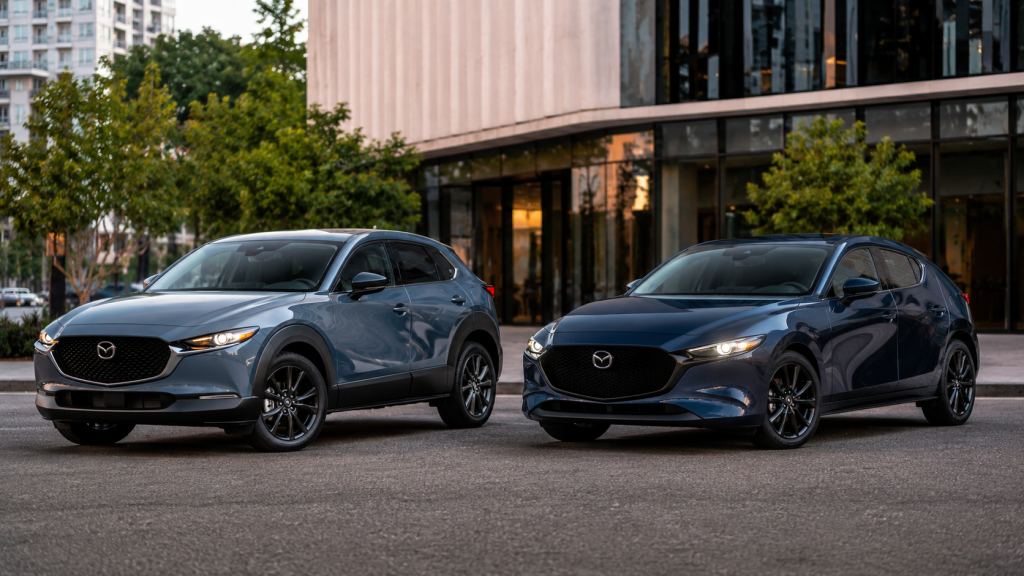
How Body Shape Changes Urban Driving Feel
The Mazda CX30 and Mazda3 Hatchback feel different in traffic because their body structures position the driver, suspension, and chassis at different heights from the road surface.
The Mazda CX30 uses a compact crossover structure with increased ride height and taller seating posture. Raising the body structure changes how the driver sees traffic movement, curbs, parking lines, and surrounding vehicles. It also changes suspension travel because the chassis sits farther from the pavement. Drivers entering tighter parking garages or navigating uneven city pavement may notice the crossover posture immediately because the higher cabin position changes outward visibility and wheel placement awareness.
The Mazda3 Hatchback uses a lower roofline and lower center of gravity. A lower center of gravity reduces body roll during cornering because vehicle weight remains closer to the pavement during directional movement. The hatchback structure also creates a more connected steering feel because the chassis settles more quickly during lane changes and tighter steering transitions.
The visual proportions of each model shape urban movement differently. The Mazda3 Hatchback feels narrower and lower during parking maneuvers while the CX30 prioritizes visibility and elevated traffic awareness. Drivers comparing these vehicles should evaluate where they commute most frequently, how tight their parking situations are, and whether upright visibility or lower body control matters more during daily travel.
Why Seating Height and Visibility Feel Different Between the CX30 and Mazda3 Hatchback
Which Mazda has better visibility? The answer depends heavily on seating posture and how the driver interprets surrounding traffic movement.
The Mazda CX30 positions the driver higher relative to surrounding vehicles. Higher seating posture changes forward sightlines because the driver looks outward from a more elevated position. During stop and go traffic, parking lot movement, and crowded intersections, the elevated seating position changes how quickly drivers identify surrounding vehicles, pedestrians, and curb placement.
The CX30 cabin also changes entry and exit posture. Drivers step into the cabin more naturally because the seat height sits closer to standing height. That changes how the knees and hips rotate during entry and exit movement, which some drivers notice immediately during repetitive commuting or frequent short trips.
The Mazda3 Hatchback approaches visibility differently because the lower seating position places the driver deeper within the cabin structure. The roofline sits lower while the seating posture feels more centered within the chassis. Some drivers interpret this as a more controlled driving position because steering response and vehicle rotation feel more directly connected to the driver.
Visibility differences also involve:
• Window opening shape
• Rear hatch sightlines
• Roof pillar positioning
• Mirror placement geometry
The Mazda3 Hatchback rear roofline slopes downward more aggressively than the CX30, which changes rear glass dimensions and outward rear visibility angles. The CX30 uses a taller rear cargo structure, creating a more upright rearward viewpoint during reversing and parking maneuvers.
Drivers evaluating visibility should focus less on dimensions alone and more on how seating posture changes confidence during traffic movement and tighter parking situations.
How Cargo Space and Rear Access Change Daily Utility
Does the Mazda3 Hatchback have more cargo space? Cargo measurements alone do not fully explain how usable the rear storage area feels during loading.
Cargo usability changes based on hatch opening shape, cargo floor height, and loading posture. The Mazda3 Hatchback uses a lower cargo floor because the body structure sits closer to the pavement. Lower cargo floors reduce how high bags, grocery containers, or equipment must be lifted during loading. The hatch opening also stretches wider across the rear structure, creating easier access for longer objects and flatter cargo stacking.
The Mazda CX30 cargo structure changes utility differently because the taller body height creates a more upright cargo opening. Taller cargo openings support vertically shaped items more effectively while also changing how drivers reach into the cargo area during loading.
The cargo layouts shape urban loading situations differently:
• The Mazda3 Hatchback favors lower lift loading movement
• The CX30 supports taller object positioning more effectively
• Hatch opening height changes loading posture
• Cargo floor shape changes storage organization
Drivers loading strollers, sports equipment, luggage, or grocery bags may interpret these layouts differently depending on how frequently rear cargo access happens throughout the week.
The CX30 also raises the cargo floor farther from the pavement because of its increased ride height. That changes how the driver bends and reaches during loading. The Mazda3 Hatchback keeps cargo closer to waist level during certain loading movements because of its lower hatch design.
Cargo discussions that stop at cubic footage measurements fail to explain how body height and hatch geometry change everyday loading movement.
What Suspension Height and Wheel Position Change During City Driving
Does the Mazda3 Hatchback drive differently than the CX30? Yes. Suspension height and wheel positioning change how body weight transfers during acceleration, braking, and cornering.
The Mazda3 Hatchback lower ride height reduces body lean during directional movement because the chassis remains closer to the pavement. Less body movement creates sharper steering response during lane changes and tighter city turns. Drivers may notice the hatchback rotates more quickly during steering corrections because suspension compression remains tighter during directional transitions.
The CX30 suspension structure changes pavement response differently because the taller ride height increases suspension travel. Additional suspension travel absorbs pavement movement more gradually while also creating more vertical body movement during cornering.
These differences become noticeable during:
• Speed bump transitions
• Uneven pavement movement
• Parking garage ramps
• Stop and go lane changes
Wheel placement and tire sidewall height also shape commuting feel. The Mazda3 Hatchback settles into steering transitions more quickly because the lower body structure reduces chassis movement before the suspension stabilizes. The CX30 focuses more heavily on pavement absorption and elevated visibility during city travel.
Drivers commuting through rough pavement areas or uneven city streets may appreciate how the CX30 absorbs road imperfections more gradually. Drivers prioritizing directional precision may prefer how the Mazda3 Hatchback responds during tighter traffic movement.
Which Mazda Fits Different Urban Driving Priorities
The Mazda CX30 and Mazda3 Hatchback fit different commuting priorities despite sharing similar compact platform dimensions.
The Mazda CX30 focuses heavily on elevated seating posture, expanded traffic visibility, easier cabin entry, and taller cargo access. Drivers prioritizing upright seating and crossover visibility may prefer how the CX30 responds during parking and stop and go traffic movement.
The Mazda3 Hatchback emphasizes lower body movement, tighter steering response, and more connected directional feel during urban driving. Drivers prioritizing maneuverability and lower cargo floor access may prefer how the hatchback reacts during parking and lane transitions.
Drivers comparing the two should evaluate:
• Parking environment
• Cargo loading habits
• Seating posture preference
• Urban traffic density
• Pavement quality
• Visibility priorities
The strongest fit comes from understanding how body structure, suspension height, cargo access, and seating posture shape commuting movement throughout the city.
Connect with us


- August 2026
- July 2026
- June 2026
- May 2026
- April 2026
- May 2024
- March 2024
- February 2024
- December 2023
- November 2023
- October 2023
- September 2023
- August 2023
- July 2023
- June 2023
- May 2023
- April 2023
- March 2023
- February 2023
- January 2023
- December 2022
- November 2022
- October 2022
- September 2022
- August 2022
- July 2022
- June 2022
- May 2022
- April 2022
- March 2022
- February 2022
- January 2022