

Mazda CX-30 daily driving starts with parking, seating, visibility, passenger space, and cargo needs. Honolulu roads can include tight garages, busy lanes, steep streets, and short trips. Therefore, each detail deserves a closer look before choosing this compact crossover.
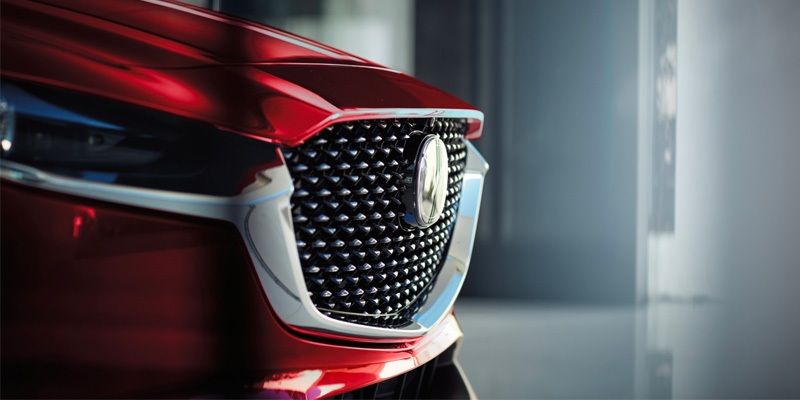
The CX-30 measures 173 inches long and 70.7 inches wide. Those dimensions place it between a small hatchback and a larger SUV. Because size shapes every trip, drivers should test the CX-30 where they park and travel most.
Compact Size for Honolulu Parking
Exterior size shapes how easily a vehicle moves through garages, narrow lanes, and crowded parking areas. The CX-30 uses a compact footprint that can suit many Honolulu routes.
Its 173 inch length leaves less body behind the rear axle than larger SUVs. Therefore, the rear end follows more closely during slow turns. That trait can make tight parking moves easier to judge.
Width matters when spaces sit close together. The CX-30 measures 70.7 inches wide without mirrors. In addition, its doors still need enough room for passengers to enter comfortably.
Before deciding, test these parking tasks:
- Enter a space between two vehicles and check door clearance on both sides.
- Reverse from a busy row while watching mirrors, windows, and dashboard alerts.
- Turn through a garage ramp and note how closely each wheel tracks the curb.
Mazda CX-30 daily driving can feel easier when low speed steering supports careful placement. Still, drivers should not rely on steering feel alone. Mirror setup and seat position remain just as important.
Comfort During Repeated Honolulu Trips
Mazda CX-30 daily driving comfort begins with the driver’s seat, pedal reach, and steering wheel position. The CX-30 places major controls within easy reach from the front seats.
First, adjust the seat before judging cabin space. Your hips should remain supported while your knees stay slightly bent. Then adjust the wheel so both hands rest comfortably without leaning forward.
The front seats use firm cushioning and shaped side support. Therefore, posture may feel more secure during frequent turns. That firmness may also feel different from softer seating in other crossovers.
Honolulu trips may involve short drives with repeated stops. Because of that pattern, easy entry and quick control access matter. Drivers should test the seat after several exits and returns.
Climate control placement also deserves attention. The CX-30 uses physical controls for key cabin settings. Furthermore, the center display sits high on the dashboard for easier viewing.
A calm cabin layout can reduce distraction during crowded travel. Even so, every driver should test the controls while parked. Familiarity matters before traffic begins moving.
Visibility Around Traffic and Parking Areas
Mazda CX-30 daily driving visibility covers what you see through the glass, mirrors, and available camera views. The CX-30 provides a raised seating position than a low car.
Forward sightlines feel open from a properly adjusted seat. However, the rear roofline and rear pillars can narrow the view behind the vehicle. Therefore, drivers should test every viewing angle.
Blind Spot Monitoring and Rear Cross Traffic Alert support side and rear awareness. These features can warn about nearby traffic that enters a monitored area. Still, direct mirror and shoulder checks remain necessary.
Some trims add parking sensors or a 360 degree monitor. Those tools can support low speed spacing around curbs and nearby vehicles. Because equipment varies, confirm the exact trim before purchase.
During a test drive, check these views:
- Look over each shoulder while parked and note how much glass remains visible.
- Reverse into a space and compare the camera image with your mirror view.
- Change lanes safely and observe when the blind spot alert appears.
Bright sun and heavy rain can change what cameras and mirrors show. Therefore, drivers should keep lenses and glass clean. Clear surfaces support better awareness during repeated trips.
Passenger Space Behind the Front Seats
Mazda CX-30 daily driving fit also depends on rear seat space and passenger height. The CX-30 can carry five people, but the rear row suits some groups better.
Set the front seat for the regular driver first. Then sit behind that position and check knee, foot, and head room. This step gives a more useful answer than published measurements alone.
Adults with longer legs may find the rear row tighter. By contrast, children or shorter adults may fit comfortably for local trips. The result depends on who rides there most.
Child seats require another check. Bring the exact seat during the dealership visit when possible. Furthermore, install it behind the intended front passenger position.
Check whether the front passenger still has enough knee room. Also test the rear door opening and buckle access. These details shape repeated loading more than seat counts do.
For households with regular rear passengers, take a longer test drive. Because ten minutes may hide pressure points, spend more time in each seat. Swap positions before making a final choice.
Cargo Room for Errands and Weekend Plans
Mazda CX-30 daily driving cargo checks should cover floor area, hatch shape, and rear seat folding. Mazda lists 20.2 cubic feet behind the rear seats. With the rear seats folded, space increases to 45.2 cubic feet.
Those figures provide a starting point. However, cubic feet cannot show how a stroller, cooler, or storage bin fits. Shape matters as much as total volume.
The hatch opening narrows near the upper corners. Therefore, tall square items may need careful placement. The cargo floor works well for grocery bags, backpacks, and smaller equipment.
The rear seat uses a split folding layout. Consequently, one side can fold while another passenger keeps a rear seat. That arrangement supports longer items without using the full cabin.
Bring common cargo to the dealership when possible. Test grocery bins, sports bags, work cases, or a folded stroller. In addition, close the hatch after loading everything.
Do not judge space with the hatch open. A sloped hatch may contact taller items near the rear edge. Therefore, the closing test matters before leaving the dealership.
Test the CX-30 Against Your Routine
A useful test drive should copy the trips you make most. Start with parking, then include stoplights, lane changes, hills, and rough pavement.
Use your normal driving position from the beginning. Next, test mirror views, steering response, brake feel, and control reach. Moreover, listen for road noise at several speeds.
Ask yourself whether the cabin supports repeated errands and commutes. Check how easily passengers enter and how quickly cargo loads. Then compare those results with your household needs.
Before choosing a trim, confirm the included driver aids. Parking sensors and camera views may change across the lineup. Therefore, review the window sticker and feature list together.
The Mazda CX-30 can fit Honolulu routines that favor compact size, front seat comfort, and flexible cargo space. Still, rear room and rearward visibility deserve a personal test. A careful drive will show whether its shape fits your roads, parking areas, and passengers.
Connect with us


- July 2026
- June 2026
- May 2026
- April 2026
- May 2024
- March 2024
- February 2024
- December 2023
- November 2023
- October 2023
- September 2023
- August 2023
- July 2023
- June 2023
- May 2023
- April 2023
- March 2023
- February 2023
- January 2023
- December 2022
- November 2022
- October 2022
- September 2022
- August 2022
- July 2022
- June 2022
- May 2022
- April 2022
- March 2022
- February 2022
- January 2022