

Mazda CX70 Plug In Hybrid ownership changes daily driving because charging routines, electric commuting, regenerative braking, and gasoline backup operation all work together throughout normal travel. Drivers researching the Mazda CX70 Plug In Hybrid are usually trying to understand whether a plug in hybrid SUV changes commuting, charging, and long distance travel in ways that feel manageable compared with traditional gasoline ownership. The answer starts with understanding how the drivetrain blends electric propulsion and gasoline operation together automatically while preserving the flexibility expected from a midsize SUV.
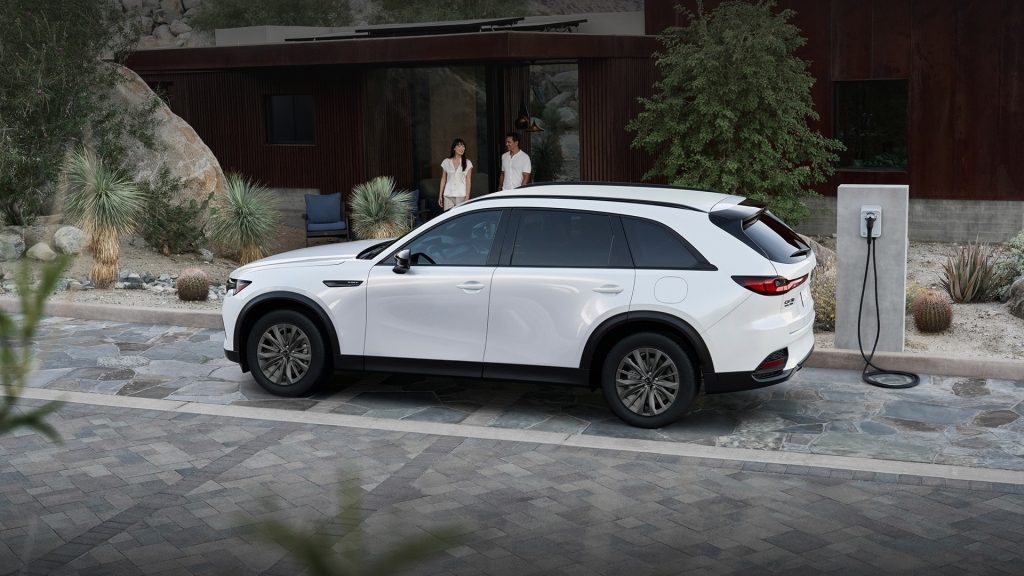
How Plug In Hybrid Drivetrains Change Daily Driving Feel
A plug in hybrid drivetrain combines a gasoline engine, electric motor, battery pack, and transmission structure into one integrated propulsion system. The Mazda CX70 Plug In Hybrid uses electric motor torque during lower speed driving while blending gasoline power during heavier acceleration or extended travel.
Electric motors deliver torque immediately because rotational force begins without waiting for engine RPM buildup. That changes how the SUV reacts during stoplight acceleration, parking lot movement, and slower commuting speeds. Drivers transitioning from gasoline SUVs usually notice the difference quickly because the electric response feels smoother and more immediate during lower speed driving.
The Mazda CX70 Plug In Hybrid changes commuting feel through:
• Electric motor assisted acceleration
• Reduced cabin vibration during electric operation
• Smoother stop and go traffic movement
• Quieter low speed commuting response
The hybrid drivetrain also changes how the transmission responds under acceleration. Electric torque supplements the gasoline engine during throttle input, reducing how aggressively the transmission must downshift during merging and passing movement.
The result is a driving feel that blends electric responsiveness with conventional SUV travel flexibility. Drivers researching plug in hybrid SUVs are usually evaluating whether this transition feels natural during commuting, parking, and highway travel. The CX70 Plug In Hybrid structure focuses heavily on making that transition feel gradual rather than disruptive.
How the Mazda CX70 Plug In Hybrid Uses Electric and Gasoline Power Together
Does the Mazda CX70 Plug In Hybrid use gas and electricity together? Yes. The drivetrain automatically blends both power sources depending on battery charge level, acceleration demand, driving speed, and travel distance.
During lighter commuting situations, the electric motor may power the SUV independently for shorter distances. Once additional acceleration or extended travel becomes necessary, the gasoline engine activates automatically and works alongside the electric motor.
The system continuously manages:
• Battery charge level
• Throttle demand
• Driving speed
• Traction requirements
• Energy recovery through braking
This automatic transition removes the need for constant driver management. The SUV determines when electric propulsion, gasoline operation, or combined hybrid operation fits the driving situation most effectively.
The Mazda CX70 Plug In Hybrid also differs from a full battery electric vehicle because the gasoline engine remains available once battery charge decreases. Drivers do not need to stop traveling once electric range becomes depleted.
That distinction changes ownership flexibility significantly because:
• Long trips continue without charging delays
• Gasoline fueling remains available during extended travel
• Daily commuting may rely heavily on electric driving
• Charging supports commuting reduction in gasoline usage instead of replacing travel entirely
Buyers researching electrified vehicles frequently confuse plug in hybrids with fully electric vehicles. The CX70 Plug In Hybrid structure maintains gasoline travel flexibility while still introducing electric commuting support during shorter trips.
What Charging the Mazda CX70 Plug In Hybrid Looks Like During Commuting
How long does charging take? Charging speed depends heavily on the charging equipment being used.
The Mazda CX70 Plug In Hybrid supports:
• Level 1 charging through standard household outlets
• Level 2 charging through higher voltage charging equipment
• Public charging station access
Level 2 charging replenishes battery energy substantially faster than standard outlet charging and becomes the most common home setup for plug in hybrid ownership.
Charging routines also shift how drivers think about fueling. Instead of stopping at fuel stations routinely throughout the week, many plug in hybrid owners charge overnight while the SUV remains parked at home.
Charging patterns usually change based on:
• Daily commuting distance
• Overnight parking access
• Home charging installation
• Frequency of highway travel
• Availability of workplace charging
Drivers in Hawaii also evaluate charging differently because many commuting routes remain shorter than mainland highway travel loops. Shorter commuting patterns create more opportunities for electric operation throughout routine driving.
The charging process itself becomes simpler once drivers connect charging to normal parking habits. Plugging the SUV in overnight allows battery replenishment to happen during inactive hours rather than interrupting commuting schedules.
Drivers researching plug in hybrid ownership should evaluate:
• Parking access near charging outlets
• Average commuting distance
• Home electrical access
• Frequency of extended highway travel
These factors shape how much electric driving integrates into daily ownership.
How Regenerative Braking and Electric Torque Change Driving Response
Does regenerative braking charge the battery? Yes. Regenerative braking converts vehicle movement into electrical energy during deceleration.
Traditional gasoline vehicles lose braking energy through heat generated by friction brakes. The Mazda CX70 Plug In Hybrid electric motor can reverse operation during deceleration and function as a generator instead. Vehicle momentum transfers back into the battery pack through rotational energy recovery.
Regenerative braking changes commuting feel through:
• Earlier deceleration after lifting off the accelerator
• Reduced reliance on friction brakes during lighter slowing
• Battery energy recovery during traffic movement
• Different brake pedal response during gradual slowing
Electric torque delivery also changes acceleration feel. Gasoline engines build torque progressively as engine speed increases while electric motors generate immediate rotational force.
That difference becomes noticeable during:
• Stoplight acceleration
• Parking lot maneuvering
• Lower speed merging
• Stop and go traffic movement
The Mazda CX70 Plug In Hybrid blends both propulsion styles together. Electric torque handles lower speed responsiveness while gasoline power supports sustained highway travel and heavier acceleration demand.
Drivers unfamiliar with regenerative braking sometimes interpret the deceleration feel differently during initial ownership because the SUV begins slowing more noticeably once the accelerator pedal is released. Over time, many drivers adapt quickly because the system continuously recaptures energy during commuting movement.
What Shoppers Should Evaluate Before Transitioning Into Plug In Hybrid Ownership
The Mazda CX70 Plug In Hybrid fits drivers whose commuting patterns include shorter daily driving loops, overnight parking access, and occasional longer travel requiring gasoline flexibility.
Drivers evaluating plug in hybrid ownership should examine:
• Daily commuting distance
• Parking access for charging
• Frequency of highway travel
• Charging outlet availability
• Interest in electric commuting
• Comfort adapting to charging routines
The SUV still operates normally even if charging is skipped temporarily because the gasoline engine maintains conventional driving operation once battery charge decreases.
That distinction matters heavily for buyers transitioning from gasoline vehicles because ownership structure changes without completely replacing traditional fueling flexibility.
The Mazda CX70 Plug In Hybrid also changes commuting operation in ways that some drivers prioritize heavily:
• Electric commuting reduces gasoline engine operation during shorter trips
• Regenerative braking recaptures energy during traffic movement
• Electric torque changes lower speed responsiveness
• Gasoline backup preserves long distance travel flexibility
Drivers researching plug in hybrid SUVs are usually trying to determine whether electrified ownership feels manageable without introducing unnecessary travel limitations. The Mazda CX70 Plug In Hybrid addresses that transition by combining electric commuting support with conventional SUV travel structure inside one integrated drivetrain.
Connect with us


- May 2026
- April 2026
- May 2024
- March 2024
- February 2024
- December 2023
- November 2023
- October 2023
- September 2023
- August 2023
- July 2023
- June 2023
- May 2023
- April 2023
- March 2023
- February 2023
- January 2023
- December 2022
- November 2022
- October 2022
- September 2022
- August 2022
- July 2022
- June 2022
- May 2022
- April 2022
- March 2022
- February 2022
- January 2022