Blog / Honolulu Mazda Dealer

Blog

All Honolulu Mazda Dealer Blog Honolulu Mazda Service Cutter Mazda Honolulu Service
mazda3 hatchback daily driving

Mazda3 Hatchback Daily Driving in Honolulu Made Simple

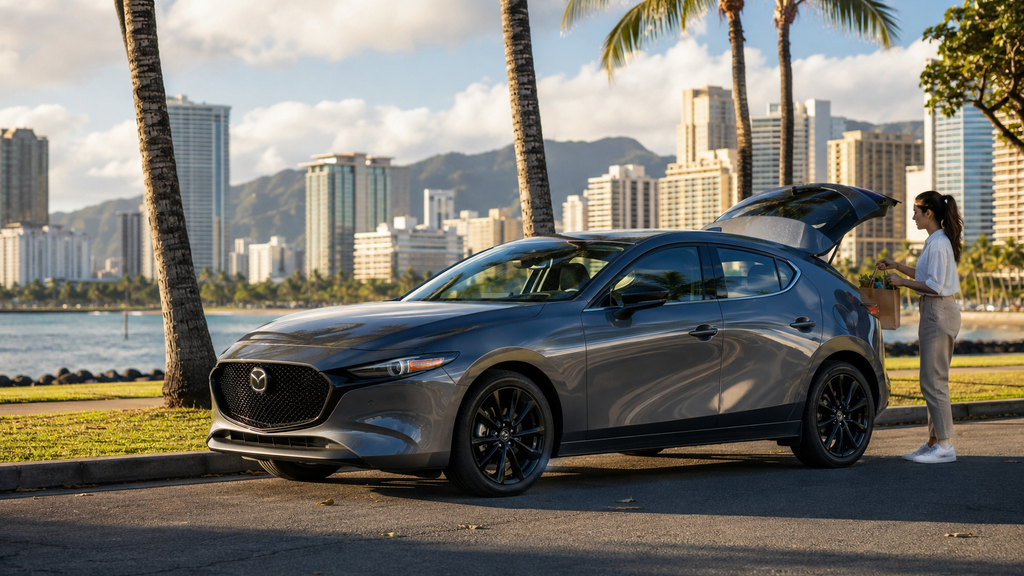
Mazda3 Hatchback daily driving in Honolulu can combine compact dimensions, adaptable cargo access, and responsive road manners. In addition, that mix matters when your week includes commuting, errands, passengers, and tight parking. Furthermore, the five door shape gives you a wide rear opening without moving into a taller crossover. Because the cabin sits lower, the car also keeps a close connection to the road. Therefore, the key question is not whether a hatchback can do everything. It is whether its size and layout fit the way you move through Honolulu. Why the Hatchback Body Shape Changes Cargo Access A hatchback uses a rear door that lifts with the glass. That creates a taller opening than a conventional trunk lid. Because the opening extends upward, boxes and bulky items can pass through with fewer angle changes. In addition, the cargo floor sits close to the opening, which makes loading feel direct. How does that shape change Mazda3 Hatchback daily driving during a normal errand? Think about grocery bags, beach chairs, folded strollers, small coolers, or luggage. However, these items may fit within the published cargo volume, yet opening shape still controls how easily they enter. Therefore, the hatch itself deserves attention during a showroom visit. more The rear seatbacks add another layer of choice. Mazda uses a split folding design, so you can lower one side while leaving seating on the other. That can work well when one rear passenger rides with a longer item. In addition, the wider opening makes it easier to slide that item into place. With that in mind, bring your routine into the evaluation before deciding that cargo space is enough. Consider what you carry most weeks, instead of rare large loads. A hatchback can feel roomy for one household and tight for another. The shape of your gear matters just as much as the published volume. Is the Mazda3 Hatchback Easy to Park in Honolulu? Its compact length and turning diameter support tighter low speed maneuvering. The Mazda3 Hatchback measures 175.6 inches long, which keeps the body relatively short for a five door car. That footprint can be useful in crowded lots, neighborhood streets, and parking structures around Honolulu. Mazda3 Hatchback daily driving also involves how clearly you can judge the car's corners. The low hood and compact body make the front end easier to place. However, the rear pillars are broad, so rearward sightlines deserve a careful test. A backup camera can support that view, but you should still check mirrors and shoulder visibility. What should you test during a parking maneuver? Start with a normal space, then try a tighter one. Notice how much steering input you need and how quickly the car pivots. In addition, check whether the rear glass gives you enough visual context when reversing. In addition, the hatchback's lower height changes how you perceive nearby vehicles. You sit closer to sedan height than crossover height. Because of that seating position, sightlines may feel different if you are used to an SUV. A short test drive can tell you whether that view feels natural. How Much Can the Mazda3 Hatchback Carry? Cargo fit comes from both available volume and the shape of the rear opening. The Mazda3 Hatchback provides 20.1 cubic feet behind the rear seats. With the rear seat folded, published measurements reach 47.1 cubic feet. However, those numbers give useful scale, but they do not describe every loading situation. Mazda3 Hatchback daily driving can include mixed passenger and cargo needs. A split rear seat lets you adjust the cabin around the load. Before lowering both sides, consider whether only one section is needed. That preserves seating for a passenger while opening more length for gear. A few loading checks can make the decision easier: Place a medium suitcase or storage bin near the hatch opening. This shows whether the opening height works with your common items. Fold one rear seat section and check the floor transition. This shows how longer items will sit across the rear area. Sit in the remaining rear seat after folding the other side. This confirms whether passenger room still works for your routine. Because the hatch opening is part of the rear body, loading also changes how you use curbside space. You need room behind the car for the hatch to rise. Therefore, a tight wall or another parked car can limit access even when the cargo area itself is large enough. How Mazda Driving Traits Fit Honolulu Roads The Mazda3 Hatchback uses G Vectoring Control Plus to make small adjustments during steering input. The goal is smoother weight transfer as the car turns. You may notice that as a more settled path through curves and lane changes. The correction works in the background, so the steering can feel natural instead of busy. How does Mazda3 Hatchback daily driving feel during a normal commute? Honolulu roads can combine stop and go traffic, short merges, and frequent turns. A compact car with clear steering feedback can make lane placement easier. In addition, the lower body gives the Mazda3 Hatchback a connected feel through corners. By contrast, the available 2.5 Turbo changes acceleration more than the basic shape of the car. Its stronger low rpm torque can make merging and passing feel quicker. That matters when you need speed without holding the throttle open for long. The turbo model also pairs with i Activ AWD, which monitors wheel speed and other inputs while distributing power. Shoppers should decide whether they value that stronger response enough to choose the turbo trim. The standard engine may already suit calmer commuting. Therefore, the test drive should include the same roads you use each week. Try a merge, a hill, a slow turn, and a short passing zone if possible. What to Evaluate During a Mazda3 Hatchback Test Drive Mazda3 Hatchback daily driving should feel natural before you commit. A useful test drive should copy your normal routine as closely as possible. Do not judge the Mazda3 Hatchback from one straight road. Include parking, a tighter turn, moderate traffic, and a short highway section if available. That gives you a clearer view of how the car fits daily travel. Start with seating position and visibility. Adjust the seat and mirrors before moving. Then check the rear pillars during shoulder checks and reversing. If rear sightlines feel limited, see whether the mirrors and camera give you enough information. Next, test the cargo area with the kind of items you carry. You do not need a full trunk load. One suitcase, stroller, cooler, or storage bin can reveal a lot about opening size and floor height. You can also use a short checklist during the drive: Check whether the steering feels easy to place in narrow lanes and parking areas. Pay attention to how quickly the car responds. Sit in the rear seat after setting the front seat for yourself. This gives you a more realistic view of passenger room. Open the hatch in a normal parking space. Confirm that you have enough room behind the car to load comfortably. Mazda3 Hatchback daily driving in Honolulu works best when the car matches your routine, not an abstract category. The compact footprint, hatch opening, rear seat layout, and road feel each answer a different need. Spend time with those details before deciding. When the fit is right, the hatchback can handle a wide mix of city trips without feeling oversized.
Mazda CX-30 Daily Driving Guide for Honolulu Roads

Mazda CX-30 daily driving starts with parking, seating, visibility, passenger space, and cargo needs. Honolulu roads can include tight garages, busy lanes, steep streets, and short trips. Therefore, each detail deserves a closer look before choosing this compact crossover. The CX-30 measures 173 inches long and 70.7 inches wide. Those dimensions place it between a small hatchback and a larger SUV. Because size shapes every trip, drivers should test the CX-30 where they park and travel most. Compact Size for Honolulu Parking Exterior size shapes how easily a vehicle moves through garages, narrow lanes, and crowded parking areas. The CX-30 uses a compact footprint that can suit many Honolulu routes. Its 173 inch length leaves less body behind the rear axle than larger SUVs. Therefore, the rear end follows more closely during slow turns. That trait can make tight parking moves easier to judge. more Width matters when spaces sit close together. The CX-30 measures 70.7 inches wide without mirrors. In addition, its doors still need enough room for passengers to enter comfortably. Before deciding, test these parking tasks: Enter a space between two vehicles and check door clearance on both sides. Reverse from a busy row while watching mirrors, windows, and dashboard alerts. Turn through a garage ramp and note how closely each wheel tracks the curb. Mazda CX-30 daily driving can feel easier when low speed steering supports careful placement. Still, drivers should not rely on steering feel alone. Mirror setup and seat position remain just as important. Comfort During Repeated Honolulu Trips Mazda CX-30 daily driving comfort begins with the driver’s seat, pedal reach, and steering wheel position. The CX-30 places major controls within easy reach from the front seats. First, adjust the seat before judging cabin space. Your hips should remain supported while your knees stay slightly bent. Then adjust the wheel so both hands rest comfortably without leaning forward. The front seats use firm cushioning and shaped side support. Therefore, posture may feel more secure during frequent turns. That firmness may also feel different from softer seating in other crossovers. Honolulu trips may involve short drives with repeated stops. Because of that pattern, easy entry and quick control access matter. Drivers should test the seat after several exits and returns. Climate control placement also deserves attention. The CX-30 uses physical controls for key cabin settings. Furthermore, the center display sits high on the dashboard for easier viewing. A calm cabin layout can reduce distraction during crowded travel. Even so, every driver should test the controls while parked. Familiarity matters before traffic begins moving. Visibility Around Traffic and Parking Areas Mazda CX-30 daily driving visibility covers what you see through the glass, mirrors, and available camera views. The CX-30 provides a raised seating position than a low car. Forward sightlines feel open from a properly adjusted seat. However, the rear roofline and rear pillars can narrow the view behind the vehicle. Therefore, drivers should test every viewing angle. Blind Spot Monitoring and Rear Cross Traffic Alert support side and rear awareness. These features can warn about nearby traffic that enters a monitored area. Still, direct mirror and shoulder checks remain necessary. Some trims add parking sensors or a 360 degree monitor. Those tools can support low speed spacing around curbs and nearby vehicles. Because equipment varies, confirm the exact trim before purchase. During a test drive, check these views: Look over each shoulder while parked and note how much glass remains visible. Reverse into a space and compare the camera image with your mirror view. Change lanes safely and observe when the blind spot alert appears. Bright sun and heavy rain can change what cameras and mirrors show. Therefore, drivers should keep lenses and glass clean. Clear surfaces support better awareness during repeated trips. Passenger Space Behind the Front Seats Mazda CX-30 daily driving fit also depends on rear seat space and passenger height. The CX-30 can carry five people, but the rear row suits some groups better. Set the front seat for the regular driver first. Then sit behind that position and check knee, foot, and head room. This step gives a more useful answer than published measurements alone. Adults with longer legs may find the rear row tighter. By contrast, children or shorter adults may fit comfortably for local trips. The result depends on who rides there most. Child seats require another check. Bring the exact seat during the dealership visit when possible. Furthermore, install it behind the intended front passenger position. Check whether the front passenger still has enough knee room. Also test the rear door opening and buckle access. These details shape repeated loading more than seat counts do. For households with regular rear passengers, take a longer test drive. Because ten minutes may hide pressure points, spend more time in each seat. Swap positions before making a final choice. Cargo Room for Errands and Weekend Plans Mazda CX-30 daily driving cargo checks should cover floor area, hatch shape, and rear seat folding. Mazda lists 20.2 cubic feet behind the rear seats. With the rear seats folded, space increases to 45.2 cubic feet. Those figures provide a starting point. However, cubic feet cannot show how a stroller, cooler, or storage bin fits. Shape matters as much as total volume. The hatch opening narrows near the upper corners. Therefore, tall square items may need careful placement. The cargo floor works well for grocery bags, backpacks, and smaller equipment. The rear seat uses a split folding layout. Consequently, one side can fold while another passenger keeps a rear seat. That arrangement supports longer items without using the full cabin. Bring common cargo to the dealership when possible. Test grocery bins, sports bags, work cases, or a folded stroller. In addition, close the hatch after loading everything. Do not judge space with the hatch open. A sloped hatch may contact taller items near the rear edge. Therefore, the closing test matters before leaving the dealership. Test the CX-30 Against Your Routine A useful test drive should copy the trips you make most. Start with parking, then include stoplights, lane changes, hills, and rough pavement. Use your normal driving position from the beginning. Next, test mirror views, steering response, brake feel, and control reach. Moreover, listen for road noise at several speeds. Ask yourself whether the cabin supports repeated errands and commutes. Check how easily passengers enter and how quickly cargo loads. Then compare those results with your household needs. Before choosing a trim, confirm the included driver aids. Parking sensors and camera views may change across the lineup. Therefore, review the window sticker and feature list together. The Mazda CX-30 can fit Honolulu routines that favor compact size, front seat comfort, and flexible cargo space. Still, rear room and rearward visibility deserve a personal test. A careful drive will show whether its shape fits your roads, parking areas, and passengers.

What Honolulu Mazda Drivers Should Know About Trade In Value

Trade in value starts with an appraisal of your current car and its place in today’s local market. The visit also covers your loan payoff, available equity, and plans for your next Mazda. Knowing each step can make the conversation easier to follow. Therefore, preparation gives you clearer numbers before any paperwork begins. What Happens During the Appraisal A vehicle appraisal is a review of your car’s present condition and likely resale position. First, a team member records the year, trim, mileage, and equipment. Next, the car receives a visual inspection and a brief operational check. The inspection may cover tires, glass, lights, body panels, interior surfaces, and dashboard alerts. Service history, accident records, and title details may also enter the review. In addition, the appraiser may confirm included keys, manuals, and factory equipment. more What happens after the inspection? The dealership compares those findings with current sales data and local demand. That review supports an offer for the car as it sits today. A test drive may be part of the appraisal. Because sound and steering feel reveal details, a short drive adds useful context. The team may also inspect under the hood and around the cargo area. Therefore, leave personal items at home and make each area easy to reach. What Shapes Trade In Value Trade in value is the dealership’s offer for your current car. Mileage and condition receive close attention, yet they are only part of the calculation. Trim level, options, service records, title status, and current demand also enter the review. A clean car makes inspection easier, but major repairs before a visit may not repay their full cost. Instead, address simple items that limit access or hide the car’s condition. Remove trash, gather loose parts, and bring every key. Several details may shape the offer: Lower mileage may support a higher figure when other details remain similar. Complete service records may show that scheduled care received steady attention. Warning lights or worn tires may lower the offer because the dealership must plan for repairs. Local demand also matters. A vehicle that fits Oahu roads, parking needs, and current used inventory may draw stronger interest. By contrast, a rare trim may require more time to match with another owner. Online tools provide an early estimate from the details you enter. Still, the in person appraisal confirms the final offer. Physical wear, missing equipment, or an unreported repair can change the number. How Loan Payoff and Equity Work Equity is the difference between the appraisal offer and the lender’s current payoff amount. The payoff is the sum needed to close the existing loan on a stated date. It may differ from the balance shown on your last statement. Positive equity exists when the appraisal exceeds the payoff. For instance, a $20,000 offer with a $15,000 payoff leaves $5,000 in equity. That amount may enter the next transaction as trade proceeds. Negative equity exists when the payoff exceeds the appraisal. A $15,000 offer with an $18,000 payoff leaves a $3,000 difference. That remaining amount does not disappear when the car changes hands. The difference may be paid at the dealership or included in new financing, subject to approval. Including it increases the amount financed and the interest paid across the loan. Therefore, review that figure separately before discussing a monthly payment. Bring your lender’s name, account number, and a recent payoff quote when available. In addition, ask how long the quote remains valid. Daily interest may change the amount before the prior loan closes. How the Trade Connects With Your Next Mazda Trade proceeds become one part of the next Mazda calculation. The vehicle price, taxes, fees, cash down, rate, and term remain separate numbers. Keeping them separate makes the full agreement easier to read. Does a trade lower the next payment? Positive equity may reduce the amount financed. Still, the payment also reflects the selected Mazda, loan term, rate, and other charges. A longer term can lower the monthly figure while raising total interest. By contrast, a larger upfront amount can reduce the financed balance. Therefore, compare the full cost beside the monthly figure. Leasing follows a different contract structure, yet the same trade review still matters. Ask how trade proceeds enter the lease agreement. Also review the term, mileage limit, due at signing amount, and end of lease duties. Before choosing a new or preowned Mazda, request a written breakdown. It should separate the trade offer, payoff, equity, vehicle price, and financing terms. Clear separation prevents one number from hiding another. What Should You Bring to the Dealership? Trade in preparation means gathering vehicle, ownership, and lender information before arrival. A complete file may shorten the review and reduce follow up requests. Furthermore, it gives the dealership cleaner information for the appraisal. Bring the following items when they apply: Bring a valid driver’s license, current registration, and proof of insurance. Bring the title when you own the car without an active loan. Bring all keys, service records, lender details, and payoff information. Call ahead when another owner appears on the title or registration. Their signature or presence may be needed during the transaction. Also mention a lost title, name change, or out of state document before the visit. Remove personal items before arrival. Check the glove box, center console, cargo area, door pockets, and paired phone list. Additionally, save any garage codes or contact data that you need elsewhere. You do not need a flawless car to request an appraisal. Honest details help the team prepare for the review. Therefore, share known damage, warning lights, title notes, or recent repairs at the start. Review Every Number Before Moving Forward A clear review separates the current car from the next agreement. Start with the written trade offer. Then compare it with the lender payoff and confirm the resulting equity. Next, review the Mazda price before financing terms enter the discussion. After that, examine taxes, fees, cash down, rate, and term. This order makes each figure easier to trace. Ask these questions before signing: What is the written appraisal amount for my current car? What payoff amount will be sent to my current lender? Where does my positive or negative equity appear in the agreement? Furthermore, confirm how long the trade offer remains valid. Mileage changes, new damage, or market movement may lead to another review later. Trading a vehicle should feel understandable before it feels final. Clear figures, complete documents, and direct questions keep the visit focused. With that preparation, you can discuss your next Mazda with a stronger grasp of every number.

Mazda CX-5 vs CX-30: Which Size Category Fits Oʻahu

The Mazda CX-5 and CX-30 share a design language and a platform philosophy, but choosing between them comes down to one practical question: how much space do you actually use on a typical Oʻahu drive? Both SUVs are built around the same Kodo design principles and deliver the same driver-focused character. However, they occupy different size classes, and those classes carry real differences in interior volume, cargo geometry, and how each model moves through city streets and tight parking structures. Understanding what separates them helps shoppers avoid choosing more vehicle than they need, or less than they expected. How Much Bigger Is the CX-5 Compared to the CX-30? The CX-5 is a compact SUV. The CX-30 is a subcompact crossover. Those labels are not marketing categories. They reflect EPA vehicle classification standards based on interior passenger and cargo volume. The CX-5 clears the threshold for compact SUV classification because its combined interior volume is large enough to qualify. The CX-30 falls below that threshold, which places it in the subcompact crossover category alongside smaller alternatives from other brands. In practical terms, the CX-5 is approximately 6.5 inches longer overall than the CX-30. It also sits about 4.4 inches taller. The wheelbase, which is the distance between the front and rear axles, is roughly 4 inches longer on the CX-5. Each of those measurements has downstream effects on interior space, cargo capacity, and how the vehicle behaves in confined areas. The CX-5 is wider as well, which affects both shoulder room inside the cabin and the width of the footprint the driver manages in parking garages and narrow lanes. For shoppers who have not sat in both vehicles, the size difference is more noticeable than the numbers suggest. more Neither model offers a third row. Both are strictly two-row vehicles. The decision between them is not about seating count. It is about how much room each row provides and how much cargo volume sits behind it. Cargo Space and What the Numbers Actually Tell You The CX-5 offers approximately 30.9 cubic feet of cargo space behind the rear seats. The CX-30 provides approximately 20.2 cubic feet in the same configuration. That is a difference of roughly 10 cubic feet, which sounds significant in isolation. However, raw cubic footage does not fully describe the usable space inside either model. The shape of the cargo floor, the width of the load opening, and the slope from the rear seatback to the cargo floor all affect what a driver can realistically load and unload. The following points describe the cargo geometry difference between the two models: The CX-5 has a wider cargo opening and a flatter load floor behind the rear seats. Larger, flat items such as surfboard bags, coolers, or stroller frames load more easily because the floor does not slope sharply and the opening does not narrow quickly toward the center. The CX-30's cargo floor is narrower and sits at a slightly different angle relative to the rear seat. It suits smaller, more frequent loads well, including grocery bags, backpacks, and beach gear for two people. It becomes limiting when the load is wide, long, or requires a flat surface. With rear seats folded flat, the CX-5 expands to approximately 59.3 cubic feet of total cargo volume. The CX-30 reaches approximately 45.1 cubic feet. For buyers who carry large items occasionally, that folded-flat difference is the more meaningful comparison point. Rear Seat Comfort and How the Roofline Affects Passengers The CX-5's taller overall height translates directly into rear seat headroom. Adult passengers sitting in the second row of the CX-5 have more clearance above their heads than they do in the CX-30. The CX-30's lower roofline compresses the interior height in the rear seating area, which affects taller passengers most noticeably. Rear legroom is comparable between models, so the primary comfort variable in the back seat is vertical clearance, not fore-and-aft space. For families with children in car seats, the CX-30 handles the task without issue. Children in forward-facing or rear-facing seats do not require the same headroom that adult passengers do, and the CX-30's rear seat width accommodates standard car seat bases comfortably. The distinction becomes relevant when the rear passengers are adults riding any meaningful distance. For regular Oʻahu commutes with adult rear passengers, the CX-5's additional headroom makes the back seat noticeably more comfortable over time. Front seat space is generous in both models. Mazda's seat design in both the CX-5 and CX-30 prioritizes lateral support and long-distance comfort, and neither cabin feels cramped in the first row. The difference in interior experience is concentrated in the rear, and that difference is driven almost entirely by the roofline height gap between the two platforms. How Each Model Handles Urban Driving and Tight Spaces A shorter wheelbase reduces the turning radius. The CX-30's wheelbase advantage over the CX-5 translates into a tighter turning circle, which matters in multi-level parking garages, narrow residential streets, and the kind of dense urban grid found in downtown Honolulu. Drivers who navigate tight spaces frequently will notice the difference in low-speed maneuverability. The CX-30 changes direction more quickly at parking lot speeds and requires less forward-backward correction when backing into stalls. The following points connect the dimensional differences to daily urban driving: The CX-30's shorter overall length makes parallel parking and angled stall parking more straightforward in compact urban spaces. A vehicle that is 6.5 inches shorter occupies meaningfully less linear space in a stall and gives the driver more margin in tight entry and exit situations. The CX-5's wider track and longer wheelbase give it more planted, stable highway behavior. On longer drives across the island or during highway sections of the H-1, the CX-5 feels more settled at speed. The additional weight and width work in its favor at sustained freeway pace. Which Mazda SUV Fits Oʻahu Roads More Naturally? Oʻahu's driving environment rewards right-sized vehicles. Parking in Kakaʻako, navigating the streets near the University of Hawaiʻi, or finding a stall at a beach access point puts a premium on a compact footprint. At the same time, many Oʻahu families use their SUV for weekend beach trips, trail access, and occasional hauls that benefit from a larger cargo area. The right answer depends on which of those use cases shows up more often. For solo drivers, couples, or small families who spend most of their time in Honolulu's urban core, the CX-30 is a better fit. It is easier to park, nimbler at low speeds, and provides enough cargo room for the grocery runs, beach days, and weekend errands that define most daily routines on the island. For families who regularly carry three or four adults, haul larger gear, or want rear seat comfort for longer drives across the island, the CX-5 justifies its larger footprint. Both models are available at Cutter Honolulu Mazda, and sitting in each one back to back is the clearest way to understand where the size difference actually shows up for your specific daily pattern.

MX-5 Miata vs MX-5 Miata RF: Convertible Differences Explained

Choosing between the MX-5 Miata and MX-5 Miata RF starts with one structural question: how much of the sky do you actually want overhead? Both models share the same chassis, the same 2.0-liter naturally aspirated engine, and the same rear-wheel drive layout. However, the roof separates them in ways that go beyond a folding panel. The mechanism changes the car's weight, its structural geometry, its sound environment, and its visual identity. For shoppers in Honolulu evaluating a Mazda sports car, understanding those differences clearly makes the decision much easier. What Does RF Mean, and How Does the Roof Actually Work? RF stands for Retractable Fastback. That name describes two things at once: the retractable roof panel and the fastback roofline it creates when closed. The MX-5 RF is not a traditional convertible, and it is not a targa top. It is a distinct roof format with its own mechanical logic. When the RF roof opens, three things happen in sequence. The rear deck panel lifts, the glass rear window retracts into the body, and the center roof panel folds into the compartment behind the seats. The result is an open cockpit with two fixed rear buttresses framing the driver and passenger. Those buttresses stay in place whether the roof is open or closed. They are structural elements, not styling choices. Because they remain fixed, the opening the RF creates is smaller than what the soft top produces. The soft top folds completely behind the seats and disappears, leaving a fully open profile above and behind the occupants. more On the standard MX-5 Miata, the soft top is manually operated. The driver reaches back, unlatches the header, and folds the fabric rearward in a single motion. The entire process takes a few seconds. The RF roof is power-operated and requires the car to be stationary or moving below a low speed threshold. The folding sequence takes approximately 13 seconds to complete. That distinction matters in everyday use. The soft top can go down at a traffic light. The RF requires a deliberate stop. Structural Differences and the Weight Conversation The RF roof assembly adds weight to the MX-5 platform, and that weight comes from two sources. The folding hardtop panel itself is heavier than a fabric soft top by a meaningful margin. Beyond that, the chassis requires additional reinforcement to manage the structural demands of a retractable hardtop mechanism. The soft top MX-5 Miata does not need that reinforcement because the fabric top adds minimal structural load. The RF adds approximately 90 pounds to the overall curb weight, concentrated in the rear of the car. For a sports car that weighs under 2,500 pounds in soft top form, 90 additional pounds in the tail has a measurable effect. The RF requires a small adjustment in driving style, especially at corner entry. The rear feels slightly heavier before rotation begins, which means the car responds differently to trail braking. Mazda engineers tuned the RF's suspension geometry to account for the added rear mass, so the car remains balanced. Still, enthusiasts who prioritize the lightest possible setup will find the soft top more responsive at the limit. Here is what the weight difference means at the specification level: The soft top MX-5 Miata weighs approximately 2,341 pounds in Sport trim. The RF in the same trim weighs approximately 2,427 pounds, a difference of roughly 86 to 90 pounds depending on configuration. The added weight sits primarily above and behind the rear axle, which raises the car's polar moment of inertia. This affects how quickly the rear rotates in response to steering input on corner entry. Mazda retuned the RF's rear spring rates and damper settings relative to the soft top to compensate. The RF does not feel unbalanced, but it does feel subtly more composed and slightly less immediate than its lighter counterpart. How Each Roof Format Shapes the Driving Environment Sound and airflow inside an open sports car are not random. They follow the geometry of the car. In the soft top MX-5 Miata with the top down, airflow moves across the windshield, over the cockpit, and exits behind the seats without obstruction. At highway speed, turbulence enters from behind the driver's head because there is nothing to redirect it. This creates the buffeting sensation that many convertible drivers recognize on faster roads. The sensation is manageable at city speeds and on back roads, but it becomes more pronounced as speed increases. The RF's fixed rear buttresses change that dynamic. By framing the open cockpit with fixed rear quarter sections, the RF redirects airflow around the occupants rather than through the opening behind them. The result is a noticeably calmer interior environment at speed. Wind still moves through the cabin, but the buffeting that enters from the rear is significantly reduced. For buyers who plan to use the car regularly on the H-1 or on longer coastal drives, that difference in wind management is real and worth evaluating. The following points summarize the sound environment contrast: The soft top MX-5 Miata with the top down is louder at freeway speed. The open rear profile allows turbulence to enter from behind the driver, creating pronounced buffeting above 60 mph. The RF, with its roof open, maintains a calmer cockpit because the fixed rear buttresses contain the airflow envelope around the seating area. Conversations at freeway speed are easier in the RF. With the top closed, the RF has a quieter cabin than the soft top MX-5. The hardtop panel provides better insulation from road and wind noise than the fabric layer, which benefits drivers in rain or on longer trips. Visual Character and What the Roofline Communicates The MX-5 RF has a fastback silhouette when the roof is closed. The roofline flows from the windshield header rearward in a smooth arc before dropping toward the tail. That shape gives the RF a coupe-like appearance that the soft top does not have. The soft top MX-5 Miata has a more traditional roadster profile, with a fabric roof that sits higher at the header and tapers toward the rear. When both cars are parked side by side with their tops up, they look like different vehicles despite sharing the same wheelbase and front fascia. With both roofs open, the difference shifts to what remains. The soft top disappears almost entirely. The RF retains its rear buttresses, giving the open car a more structured appearance. Some buyers prefer the cleaner, more open look of the soft top with the roof down. Others prefer the more sculpted, architectural profile the RF presents. Neither is objectively correct. However, the RF's roofline communicates something the soft top does not: a coupe-derived identity that feels deliberate in its character. For buyers who spend time with the roof closed as often as open, that distinction shapes how the car reads in parking lots and on the road. Which MX-5 Makes More Sense for How You Drive in Honolulu? Honolulu driving conditions favor the MX-5 format in a way that few other markets can match. The weather supports open-top driving year-round. The salt air and trade winds make the experience distinct. The lower freeway speeds on the H-1 keep the soft top's wind management limitations less significant than they would be at mainland highway speeds. Given all of that, both configurations make genuine sense here. The choice comes down to how you weigh four things: roof operation simplicity, weight and driving feel, interior comfort at speed, and visual identity. The soft top MX-5 Miata is the lighter, simpler, and more immediate car. It goes down in seconds, adds no mechanical complexity, and gives the driver the most unobstructed open-air experience available. For buyers who want the purest expression of the MX-5 formula, the soft top is the right answer. The RF is the right choice for buyers who spend time at highway speed, value a quieter closed cabin on wet days, or want the fastback silhouette. The RF does not compromise the MX-5's core character. It reshapes it. At Cutter Honolulu Mazda, both configurations are available to experience in person, which is the most reliable way to understand which one fits your daily drive.

Mazda CX70 Plug In Hybrid Ownership Guide

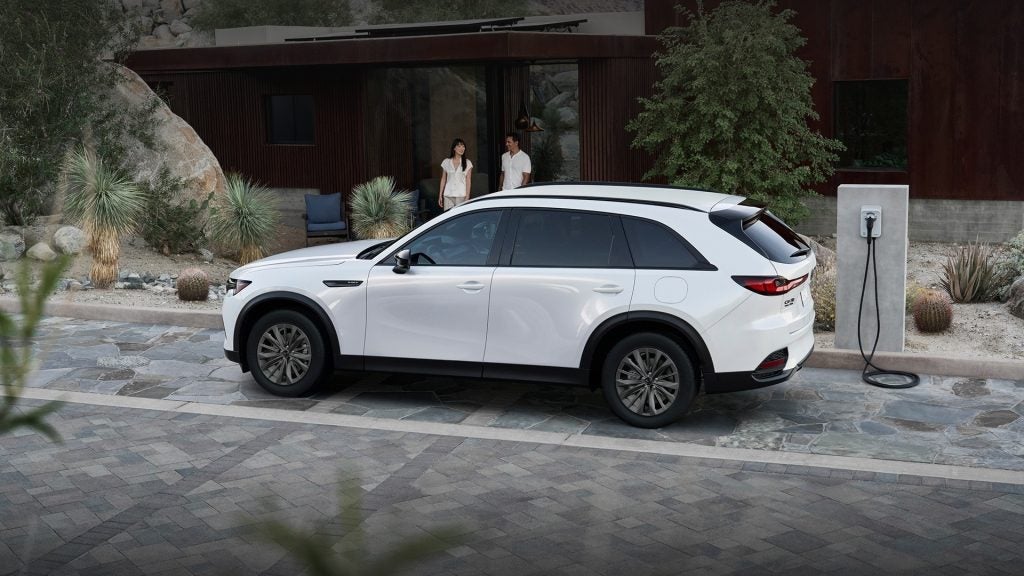
Mazda CX70 Plug In Hybrid ownership changes daily driving because charging routines, electric commuting, regenerative braking, and gasoline backup operation all work together throughout normal travel. Drivers researching the Mazda CX70 Plug In Hybrid are usually trying to understand whether a plug in hybrid SUV changes commuting, charging, and long distance travel in ways that feel manageable compared with traditional gasoline ownership. The answer starts with understanding how the drivetrain blends electric propulsion and gasoline operation together automatically while preserving the flexibility expected from a midsize SUV. How Plug In Hybrid Drivetrains Change Daily Driving Feel A plug in hybrid drivetrain combines a gasoline engine, electric motor, battery pack, and transmission structure into one integrated propulsion system. The Mazda CX70 Plug In Hybrid uses electric motor torque during lower speed driving while blending gasoline power during heavier acceleration or extended travel. Electric motors deliver torque immediately because rotational force begins without waiting for engine RPM buildup. That changes how the SUV reacts during stoplight acceleration, parking lot movement, and slower commuting speeds. Drivers transitioning from gasoline SUVs usually notice the difference quickly because the electric response feels smoother and more immediate during lower speed driving. The Mazda CX70 Plug In Hybrid changes commuting feel through: • Electric motor assisted acceleration • Reduced cabin vibration during electric operation • Smoother stop and go traffic movement • Quieter low speed commuting response more The hybrid drivetrain also changes how the transmission responds under acceleration. Electric torque supplements the gasoline engine during throttle input, reducing how aggressively the transmission must downshift during merging and passing movement. The result is a driving feel that blends electric responsiveness with conventional SUV travel flexibility. Drivers researching plug in hybrid SUVs are usually evaluating whether this transition feels natural during commuting, parking, and highway travel. The CX70 Plug In Hybrid structure focuses heavily on making that transition feel gradual rather than disruptive. How the Mazda CX70 Plug In Hybrid Uses Electric and Gasoline Power Together Does the Mazda CX70 Plug In Hybrid use gas and electricity together? Yes. The drivetrain automatically blends both power sources depending on battery charge level, acceleration demand, driving speed, and travel distance. During lighter commuting situations, the electric motor may power the SUV independently for shorter distances. Once additional acceleration or extended travel becomes necessary, the gasoline engine activates automatically and works alongside the electric motor. The system continuously manages: • Battery charge level • Throttle demand • Driving speed • Traction requirements • Energy recovery through braking This automatic transition removes the need for constant driver management. The SUV determines when electric propulsion, gasoline operation, or combined hybrid operation fits the driving situation most effectively. The Mazda CX70 Plug In Hybrid also differs from a full battery electric vehicle because the gasoline engine remains available once battery charge decreases. Drivers do not need to stop traveling once electric range becomes depleted. That distinction changes ownership flexibility significantly because: • Long trips continue without charging delays • Gasoline fueling remains available during extended travel • Daily commuting may rely heavily on electric driving • Charging supports commuting reduction in gasoline usage instead of replacing travel entirely Buyers researching electrified vehicles frequently confuse plug in hybrids with fully electric vehicles. The CX70 Plug In Hybrid structure maintains gasoline travel flexibility while still introducing electric commuting support during shorter trips. What Charging the Mazda CX70 Plug In Hybrid Looks Like During Commuting How long does charging take? Charging speed depends heavily on the charging equipment being used. The Mazda CX70 Plug In Hybrid supports: • Level 1 charging through standard household outlets • Level 2 charging through higher voltage charging equipment • Public charging station access Level 2 charging replenishes battery energy substantially faster than standard outlet charging and becomes the most common home setup for plug in hybrid ownership. Charging routines also shift how drivers think about fueling. Instead of stopping at fuel stations routinely throughout the week, many plug in hybrid owners charge overnight while the SUV remains parked at home. Charging patterns usually change based on: • Daily commuting distance • Overnight parking access • Home charging installation • Frequency of highway travel • Availability of workplace charging Drivers in Hawaii also evaluate charging differently because many commuting routes remain shorter than mainland highway travel loops. Shorter commuting patterns create more opportunities for electric operation throughout routine driving. The charging process itself becomes simpler once drivers connect charging to normal parking habits. Plugging the SUV in overnight allows battery replenishment to happen during inactive hours rather than interrupting commuting schedules. Drivers researching plug in hybrid ownership should evaluate: • Parking access near charging outlets • Average commuting distance • Home electrical access • Frequency of extended highway travel These factors shape how much electric driving integrates into daily ownership. How Regenerative Braking and Electric Torque Change Driving Response Does regenerative braking charge the battery? Yes. Regenerative braking converts vehicle movement into electrical energy during deceleration. Traditional gasoline vehicles lose braking energy through heat generated by friction brakes. The Mazda CX70 Plug In Hybrid electric motor can reverse operation during deceleration and function as a generator instead. Vehicle momentum transfers back into the battery pack through rotational energy recovery. Regenerative braking changes commuting feel through: • Earlier deceleration after lifting off the accelerator • Reduced reliance on friction brakes during lighter slowing • Battery energy recovery during traffic movement • Different brake pedal response during gradual slowing Electric torque delivery also changes acceleration feel. Gasoline engines build torque progressively as engine speed increases while electric motors generate immediate rotational force. That difference becomes noticeable during: • Stoplight acceleration • Parking lot maneuvering • Lower speed merging • Stop and go traffic movement The Mazda CX70 Plug In Hybrid blends both propulsion styles together. Electric torque handles lower speed responsiveness while gasoline power supports sustained highway travel and heavier acceleration demand. Drivers unfamiliar with regenerative braking sometimes interpret the deceleration feel differently during initial ownership because the SUV begins slowing more noticeably once the accelerator pedal is released. Over time, many drivers adapt quickly because the system continuously recaptures energy during commuting movement. What Shoppers Should Evaluate Before Transitioning Into Plug In Hybrid Ownership The Mazda CX70 Plug In Hybrid fits drivers whose commuting patterns include shorter daily driving loops, overnight parking access, and occasional longer travel requiring gasoline flexibility. Drivers evaluating plug in hybrid ownership should examine: • Daily commuting distance • Parking access for charging • Frequency of highway travel • Charging outlet availability • Interest in electric commuting • Comfort adapting to charging routines The SUV still operates normally even if charging is skipped temporarily because the gasoline engine maintains conventional driving operation once battery charge decreases. That distinction matters heavily for buyers transitioning from gasoline vehicles because ownership structure changes without completely replacing traditional fueling flexibility. The Mazda CX70 Plug In Hybrid also changes commuting operation in ways that some drivers prioritize heavily: • Electric commuting reduces gasoline engine operation during shorter trips • Regenerative braking recaptures energy during traffic movement • Electric torque changes lower speed responsiveness • Gasoline backup preserves long distance travel flexibility Drivers researching plug in hybrid SUVs are usually trying to determine whether electrified ownership feels manageable without introducing unnecessary travel limitations. The Mazda CX70 Plug In Hybrid addresses that transition by combining electric commuting support with conventional SUV travel structure inside one integrated drivetrain.

Mazda CX90 Interior Dimensions and Three Row Space

Mazda CX90 interior dimensions matter most when shoppers are trying to understand how passenger spacing, cargo layout, and third row seating work together inside a three row SUV. Exterior size only tells part of the story because cabin usability depends heavily on wheelbase length, seat positioning, cargo floor design, and passenger movement between rows. The Mazda CX90 approaches interior packaging with a longer wheelbase structure, flexible second row seating movement, and multiple cabin configurations that change how passengers and cargo fit throughout the vehicle. Drivers researching three row SUVs are usually trying to answer whether the cabin feels usable during commuting, travel, cargo hauling, and daily passenger movement rather than simply reviewing specification charts alone. How the Mazda CX90 Uses Wheelbase Length to Create Interior Space The Mazda CX90 feels larger inside than the previous CX9 because wheelbase length directly changes the distance between seating rows. Wheelbase measures the distance between the front and rear axles. Increasing wheelbase length changes cabin proportions because engineers gain additional space to position seats farther apart while maintaining balanced cargo packaging behind the rear axle. The Mazda CX90 uses this longer wheelbase structure to spread passenger spacing more evenly across all three rows. Instead of concentrating most cabin space near the front seats, the CX90 distributes interior length more effectively between the second and third rows. That changes how passengers position their legs, knees, and feet throughout the cabin. more Interior dimensions become more noticeable during: • Multi passenger commuting • Child seat installation • Third row entry movement • Longer highway travel The CX90 cabin also changes shoulder positioning because the interior width distribution feels more balanced between rows. Some three row SUVs prioritize front seating space while compressing rear passenger positioning. The CX90 attempts to maintain more consistent passenger spacing throughout the cabin structure. Drivers comparing three row SUVs should focus less on overall exterior length and more on how wheelbase proportions shape usable seating distance between passengers. Is the Mazda CX90 Third Row Large Enough for Adults Does the Mazda CX90 have enough third row room for adults? The answer depends heavily on second row positioning and passenger posture. The CX90 second row seating tracks slide forward and backward to redistribute passenger spacing between the middle and rear rows. When the second row shifts slightly forward, third row legroom increases substantially because the rear passengers gain additional knee clearance. Third row seating posture involves more than legroom measurements alone. Roofline shape, seat cushion height, and floor positioning all change how adults fit during longer drives. The Mazda CX90 rear roof structure maintains more vertical head space than aggressively sloped SUV designs, which changes how upright passengers can remain while seated. Adult third row comfort is shaped by: • Second row seat track adjustment • Roof height near the rear cabin • Floor height beneath rear passengers • Cushion positioning and seat angle The CX90 also changes third row accessibility depending on seating configuration. Models with captain’s chairs create a center aisle pathway into the rear seating area while bench seating changes how passengers enter the third row. Competitor articles frequently publish legroom measurements without explaining how seating movement changes usable passenger spacing. In real driving situations, passenger comfort changes based on how the second row is adjusted and how many passengers occupy the cabin simultaneously. Drivers planning regular third row usage should physically evaluate seating posture during a test drive because posture and entry movement reveal more than specification charts alone. How Cargo Volume Changes Behind Each Seating Row How much cargo room remains behind the third row? Cargo usability depends on storage shape, floor height, and seat folding geometry rather than cubic footage alone. The Mazda CX90 rear cargo area changes significantly depending on which seating rows remain upright. With all three rows occupied, the rear cargo compartment prioritizes vertical storage positioning for grocery bags, luggage, and smaller cargo items. Folding the third row expands the rear floor length substantially because the seatbacks fold downward into the cargo structure. The CX90 cargo design changes loading movement through: • Rear hatch opening height • Cargo floor depth • Fold flat seat geometry • Cargo floor elevation Seat folding geometry matters because uneven seatbacks interrupt usable storage space. The Mazda CX90 rear seats fold into a flatter cargo surface, creating more continuous loading space for larger objects. Drivers transporting longer cargo items should evaluate whether folded seat transitions remain level enough for stable storage movement. Cargo floor height also changes loading posture. Higher cargo floors require drivers to lift heavier objects farther upward during loading. The CX90 balances rear suspension packaging and cargo depth to maintain accessible loading movement while preserving underfloor structural packaging. The rear cargo structure changes throughout different seating layouts: • Third row upright favors passenger carrying • Third row folded expands storage length • Both rear rows folded maximize continuous cargo floor space • Cargo shape changes based on captain’s chair or bench layout Drivers comparing cargo space should evaluate storage usability during real loading situations rather than relying only on published cargo volume measurements. Captain’s Chairs Versus Bench Seating in the Mazda CX90 Are captain’s chairs worth choosing in the Mazda CX90? The answer depends on whether passenger movement or maximum seating position matters more. Captain’s chairs separate the second row into two individual seating positions with an open aisle between them. That aisle changes passenger movement because third row access becomes easier without folding or sliding large bench sections forward. The Mazda CX90 captain’s chair layout also changes how passengers organize personal space during travel. Individual seating divisions create more separation between passengers while reducing total second row seating positions. Bench seating changes cabin utility differently because the continuous seat structure supports additional passenger positioning while also altering how passengers enter the third row. These layouts change cabin movement differently: • Captain’s chairs create center aisle access • Bench seating supports higher passenger count • Passenger spacing changes between layouts • Storage positioning changes throughout the cabin Some drivers prioritize easier third row access while others focus more heavily on maximizing total passenger seating. Families transporting multiple passengers regularly may evaluate these layouts differently than drivers prioritizing rear passenger comfort and movement. The strongest configuration depends on how frequently the third row remains occupied and how passengers move throughout the cabin during daily driving. What to Evaluate During a Mazda CX90 Interior Walkthrough The Mazda CX90 interior dimensions should be evaluated physically because seating posture, cargo movement, and passenger spacing feel different in person than they appear on paper. Drivers testing the CX90 should examine: • Third row entry movement • Second row sliding adjustment • Cargo loading height • Folded seat flatness • Rear visibility with passengers seated • Passenger knee and shoulder spacing Third row seating evaluations should include adults sitting across all rows simultaneously because cabin comfort changes once every seating position becomes occupied. Cargo evaluations should involve loading movement rather than measurements alone. Drivers should examine how easily larger objects move through the rear hatch opening and whether folded seat surfaces remain level enough for practical storage. The Mazda CX90 interior layout focuses heavily on balancing passenger flexibility, seating movement, and usable cargo packaging across multiple cabin configurations. Drivers comparing three row SUVs should focus on how the cabin functions during actual passenger and cargo movement instead of relying solely on specification charts and published dimensions.

Mazda CX30 vs Mazda3 Hatchback

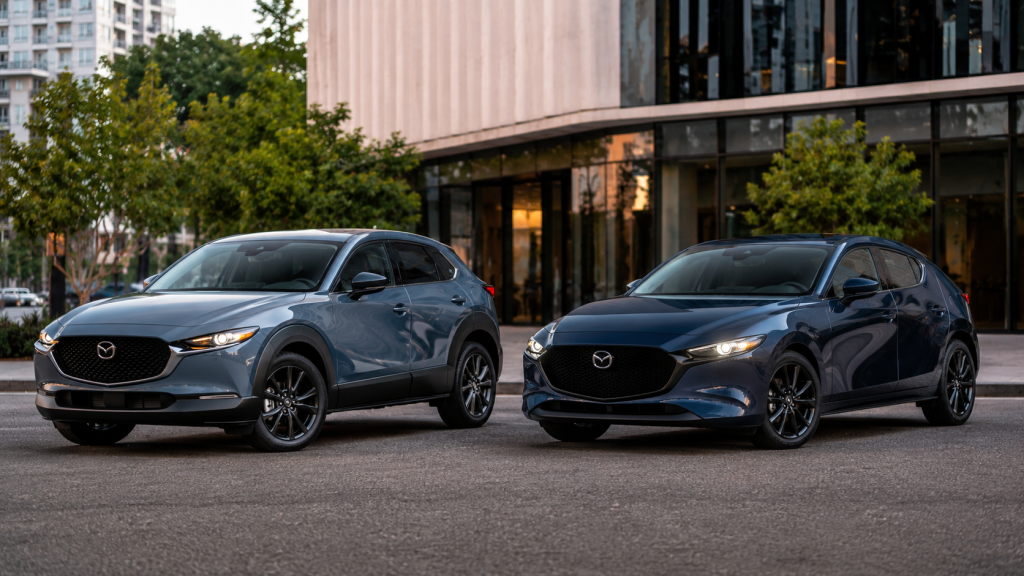
Mazda CX30 vs Mazda3 Hatchback comparisons usually begin with cargo space and vehicle size, though seating height, suspension tuning, visibility, and maneuverability shape how each model responds during urban commuting. Both vehicles occupy the compact category, though they approach city driving from different engineering directions. The Mazda CX30 leans toward crossover ride height, upright visibility, and easier cabin access. The Mazda3 Hatchback focuses more heavily on lower body movement, sharper directional response, and compact hatchback maneuverability. Drivers comparing these two Mazda models are usually evaluating which structure fits traffic movement, parking situations, cargo access, and commuting posture more effectively. How Body Shape Changes Urban Driving Feel The Mazda CX30 and Mazda3 Hatchback feel different in traffic because their body structures position the driver, suspension, and chassis at different heights from the road surface. The Mazda CX30 uses a compact crossover structure with increased ride height and taller seating posture. Raising the body structure changes how the driver sees traffic movement, curbs, parking lines, and surrounding vehicles. It also changes suspension travel because the chassis sits farther from the pavement. Drivers entering tighter parking garages or navigating uneven city pavement may notice the crossover posture immediately because the higher cabin position changes outward visibility and wheel placement awareness. The Mazda3 Hatchback uses a lower roofline and lower center of gravity. A lower center of gravity reduces body roll during cornering because vehicle weight remains closer to the pavement during directional movement. The hatchback structure also creates a more connected steering feel because the chassis settles more quickly during lane changes and tighter steering transitions. more The visual proportions of each model shape urban movement differently. The Mazda3 Hatchback feels narrower and lower during parking maneuvers while the CX30 prioritizes visibility and elevated traffic awareness. Drivers comparing these vehicles should evaluate where they commute most frequently, how tight their parking situations are, and whether upright visibility or lower body control matters more during daily travel. Why Seating Height and Visibility Feel Different Between the CX30 and Mazda3 Hatchback Which Mazda has better visibility? The answer depends heavily on seating posture and how the driver interprets surrounding traffic movement. The Mazda CX30 positions the driver higher relative to surrounding vehicles. Higher seating posture changes forward sightlines because the driver looks outward from a more elevated position. During stop and go traffic, parking lot movement, and crowded intersections, the elevated seating position changes how quickly drivers identify surrounding vehicles, pedestrians, and curb placement. The CX30 cabin also changes entry and exit posture. Drivers step into the cabin more naturally because the seat height sits closer to standing height. That changes how the knees and hips rotate during entry and exit movement, which some drivers notice immediately during repetitive commuting or frequent short trips. The Mazda3 Hatchback approaches visibility differently because the lower seating position places the driver deeper within the cabin structure. The roofline sits lower while the seating posture feels more centered within the chassis. Some drivers interpret this as a more controlled driving position because steering response and vehicle rotation feel more directly connected to the driver. Visibility differences also involve: • Window opening shape • Rear hatch sightlines • Roof pillar positioning • Mirror placement geometry The Mazda3 Hatchback rear roofline slopes downward more aggressively than the CX30, which changes rear glass dimensions and outward rear visibility angles. The CX30 uses a taller rear cargo structure, creating a more upright rearward viewpoint during reversing and parking maneuvers. Drivers evaluating visibility should focus less on dimensions alone and more on how seating posture changes confidence during traffic movement and tighter parking situations. How Cargo Space and Rear Access Change Daily Utility Does the Mazda3 Hatchback have more cargo space? Cargo measurements alone do not fully explain how usable the rear storage area feels during loading. Cargo usability changes based on hatch opening shape, cargo floor height, and loading posture. The Mazda3 Hatchback uses a lower cargo floor because the body structure sits closer to the pavement. Lower cargo floors reduce how high bags, grocery containers, or equipment must be lifted during loading. The hatch opening also stretches wider across the rear structure, creating easier access for longer objects and flatter cargo stacking. The Mazda CX30 cargo structure changes utility differently because the taller body height creates a more upright cargo opening. Taller cargo openings support vertically shaped items more effectively while also changing how drivers reach into the cargo area during loading. The cargo layouts shape urban loading situations differently: • The Mazda3 Hatchback favors lower lift loading movement • The CX30 supports taller object positioning more effectively • Hatch opening height changes loading posture • Cargo floor shape changes storage organization Drivers loading strollers, sports equipment, luggage, or grocery bags may interpret these layouts differently depending on how frequently rear cargo access happens throughout the week. The CX30 also raises the cargo floor farther from the pavement because of its increased ride height. That changes how the driver bends and reaches during loading. The Mazda3 Hatchback keeps cargo closer to waist level during certain loading movements because of its lower hatch design. Cargo discussions that stop at cubic footage measurements fail to explain how body height and hatch geometry change everyday loading movement. What Suspension Height and Wheel Position Change During City Driving Does the Mazda3 Hatchback drive differently than the CX30? Yes. Suspension height and wheel positioning change how body weight transfers during acceleration, braking, and cornering. The Mazda3 Hatchback lower ride height reduces body lean during directional movement because the chassis remains closer to the pavement. Less body movement creates sharper steering response during lane changes and tighter city turns. Drivers may notice the hatchback rotates more quickly during steering corrections because suspension compression remains tighter during directional transitions. The CX30 suspension structure changes pavement response differently because the taller ride height increases suspension travel. Additional suspension travel absorbs pavement movement more gradually while also creating more vertical body movement during cornering. These differences become noticeable during: • Speed bump transitions • Uneven pavement movement • Parking garage ramps • Stop and go lane changes Wheel placement and tire sidewall height also shape commuting feel. The Mazda3 Hatchback settles into steering transitions more quickly because the lower body structure reduces chassis movement before the suspension stabilizes. The CX30 focuses more heavily on pavement absorption and elevated visibility during city travel. Drivers commuting through rough pavement areas or uneven city streets may appreciate how the CX30 absorbs road imperfections more gradually. Drivers prioritizing directional precision may prefer how the Mazda3 Hatchback responds during tighter traffic movement. Which Mazda Fits Different Urban Driving Priorities The Mazda CX30 and Mazda3 Hatchback fit different commuting priorities despite sharing similar compact platform dimensions. The Mazda CX30 focuses heavily on elevated seating posture, expanded traffic visibility, easier cabin entry, and taller cargo access. Drivers prioritizing upright seating and crossover visibility may prefer how the CX30 responds during parking and stop and go traffic movement. The Mazda3 Hatchback emphasizes lower body movement, tighter steering response, and more connected directional feel during urban driving. Drivers prioritizing maneuverability and lower cargo floor access may prefer how the hatchback reacts during parking and lane transitions. Drivers comparing the two should evaluate: • Parking environment • Cargo loading habits • Seating posture preference • Urban traffic density • Pavement quality • Visibility priorities The strongest fit comes from understanding how body structure, suspension height, cargo access, and seating posture shape commuting movement throughout the city.

What to Know About Mazda CX-50 Hybrid Performance in Daily Island Driving

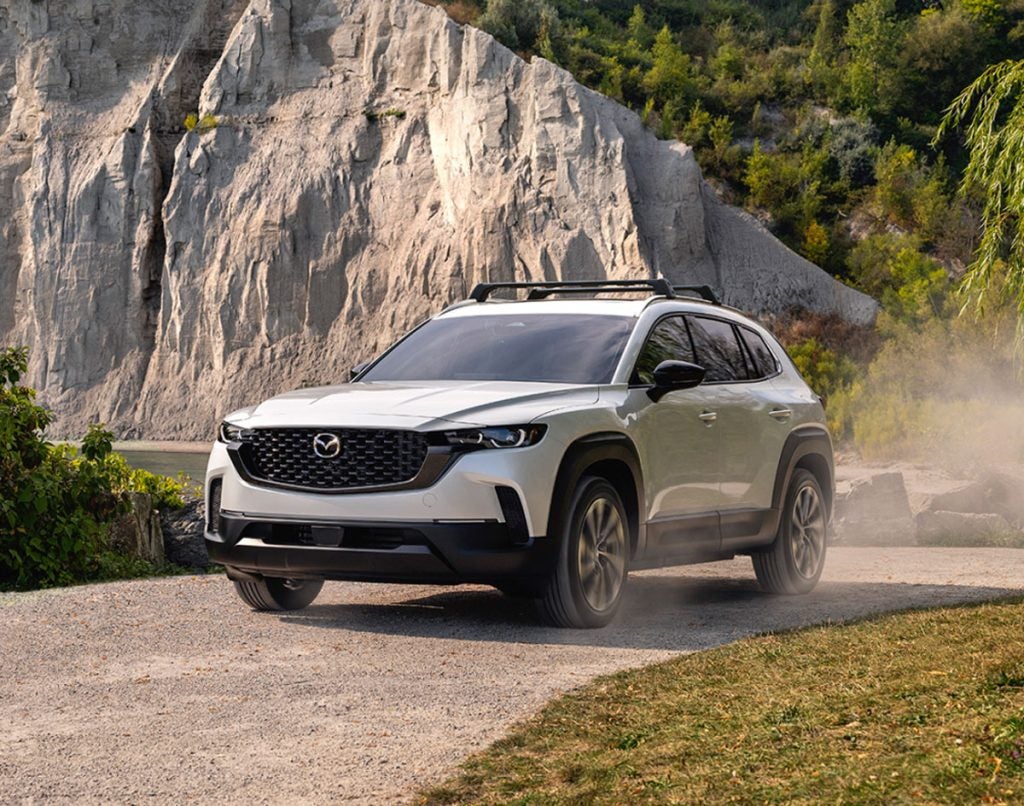
The Mazda CX-50 Hybrid is designed to bring efficiency into everyday driving without losing the sense of connection that defines Mazda’s approach to motion. For drivers in Honolulu, where short trips, traffic patterns, elevation changes, and weather shifts all influence how a vehicle performs, hybrid technology becomes less about numbers and more about how the vehicle behaves throughout the day. Understanding how the Mazda CX-50 Hybrid works requires looking at how its powertrain responds in real conditions, how it manages energy, and how it supports daily routines behind the wheel. How the Mazda CX-50 Hybrid Powertrain Delivers Daily Performance Many drivers want to know whether the Mazda CX-50 Hybrid will feel responsive in everyday driving or if efficiency comes at the cost of performance. The Mazda CX-50 Hybrid powertrain combines a gasoline engine with an electric motor, allowing the vehicle to deliver power in a different way than a traditional engine. At lower speeds, the electric motor provides immediate torque. This means the vehicle responds quickly when accelerating from a stop, without the delay that can occur in a gasoline-only engine. As speed increases, the gasoline engine works alongside the electric system to maintain consistent power. This blended system creates a driving experience that feels smooth and controlled: more Initial acceleration is more immediate and linear Power delivery remains consistent during city driving Transitions between electric and gasoline operation are subtle Rather than focusing on peak horsepower, the Mazda CX-50 Hybrid emphasizes how the vehicle responds to real inputs, making daily driving feel more natural and predictable. Why Hybrid Efficiency Changes in Real Island Driving Conditions What kind of fuel economy can drivers realistically expect from the Mazda CX-50 Hybrid? The answer depends on how and where the vehicle is driven. Hybrid systems are designed to take advantage of conditions that are common in Honolulu. At lower speeds and during stop-and-go traffic, the Mazda CX-50 Hybrid uses its electric motor more frequently. It also captures energy through regenerative braking, which converts braking force into stored energy for later use. These behaviors mean that efficiency improves in situations where traditional engines are least efficient: Stop-and-go traffic allows the hybrid system to rely more on electric power Short trips benefit from reduced fuel usage during low-speed driving Regenerative braking helps recover energy that would otherwise be lost On longer highway drives, the gasoline engine plays a larger role, but the hybrid system still supports efficiency by reducing engine load where possible. How the Mazda CX-50 Hybrid e-AWD System Supports Traction Does the Mazda CX-50 Hybrid AWD system actually improve traction in daily driving? The Mazda CX-50 Hybrid e-AWD system uses electric motor assistance to manage power distribution between the front and rear wheels. Unlike traditional mechanical AWD systems, which rely on driveshaft connections and delayed engagement, the hybrid system can adjust torque more quickly because it is electronically controlled. This allows the vehicle to respond faster to changing conditions. In real-world driving, this creates measurable benefits: During rain, power is adjusted instantly to maintain grip On inclines, torque distribution helps prevent wheel slip When accelerating from a stop, traction remains consistent across surfaces For drivers navigating wet roads or varying elevations, the Mazda CX-50 Hybrid e-AWD system contributes to stability without requiring driver input. What Driving Range and Refueling Expectations Actually Mean How far can the Mazda CX-50 Hybrid go between fill-ups, and what does that mean for daily use? Driving range is influenced by both fuel efficiency and how the hybrid system manages energy. Because the Mazda CX-50 Hybrid reduces fuel consumption during low-speed driving, it can extend the time between refueling compared to a gasoline-only model. However, range is not just about distance. It reflects how often drivers need to think about fuel at all. In daily driving, this translates to: Fewer trips to refuel during regular commuting More consistent fuel usage across different driving conditions Less impact from traffic patterns on overall efficiency Rather than focusing only on MPG figures, understanding range in terms of routine helps clarify how the vehicle fits into everyday life. How to Decide Whether the Mazda CX-50 Hybrid Fits Your Routine Is the Mazda CX-50 Hybrid the better choice over a gasoline CX-50? The answer depends on how the vehicle will be used on a daily basis. Drivers who spend more time in traffic, take shorter trips, or want to reduce fuel consumption in daily driving will benefit most from the hybrid system. The Mazda CX-50 Hybrid is designed to take advantage of those conditions and turn them into efficiency gains. Drivers who prioritize consistent highway driving or prefer a traditional engine feel may find the gasoline CX-50 aligns more closely with their expectations. When comparing the two, consider: How often you drive in stop-and-go traffic The average length of your daily trips Whether reducing fuel stops is a priority How important smooth, low-speed responsiveness is to your driving experience The Mazda CX-50 Hybrid does not replace the driving experience. It reshapes it to better match the rhythm of daily driving, especially in environments where conditions change throughout the day.

Mazda CX-50 vs CX-5: How Their Driving Experience Actually Differs

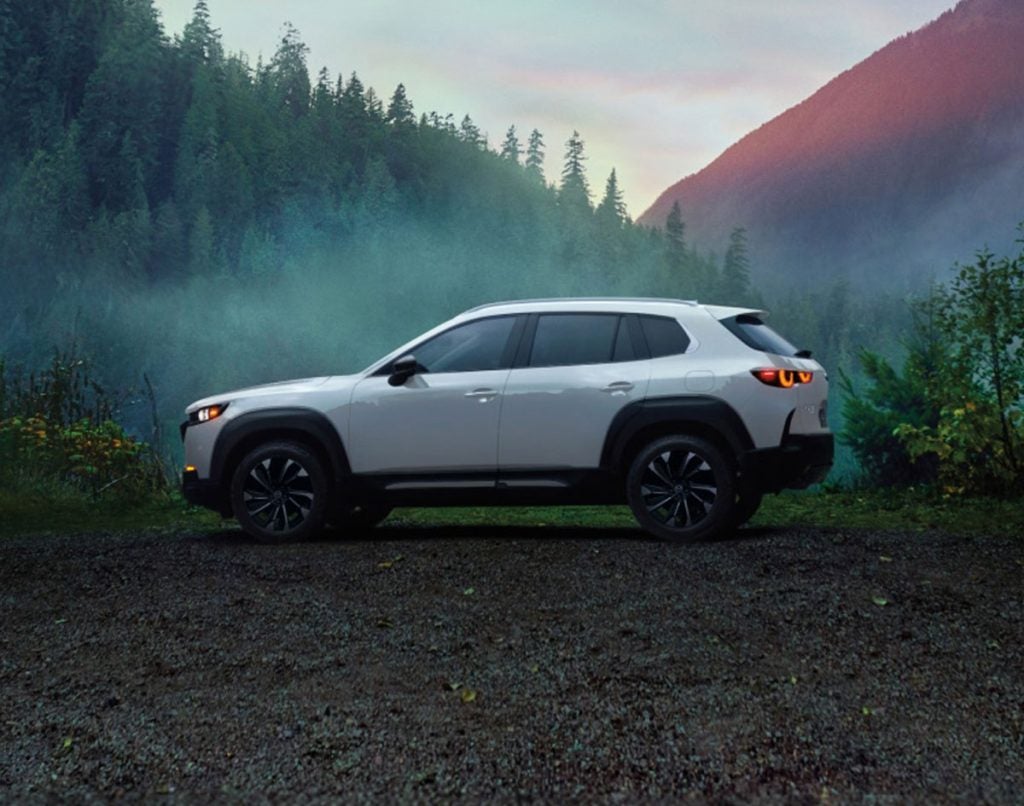
The Mazda CX-5 and Mazda CX-50 are often compared because they sit close together in Mazda’s SUV lineup, but they are engineered with different intentions. Both are built around Mazda’s core philosophy of connection between driver and vehicle, yet the way they achieve that connection feels distinct once you are behind the wheel. For drivers, the question is not simply which one is better. It is how each vehicle responds to the road, how it absorbs imperfections, and how it supports different types of driving. Understanding those differences requires looking beyond features and into how each SUV is designed to move. How the Mazda CX-5 and CX-50 Are Engineered for Different Driving Feel Many shoppers researching the Mazda CX-50 vs CX-5 ask what the real difference is in how they drive. The answer begins with how each vehicle is tuned and positioned. The Mazda CX-5 is engineered with a focus on balanced on-road refinement. Its suspension tuning prioritizes smoothness, controlled body movement, and a quiet cabin experience. Steering input feels precise but relaxed, allowing the vehicle to settle into corners without feeling overly rigid. The Mazda CX-50 is designed with a more grounded and planted feel. Its chassis and suspension are tuned to handle a wider range of surfaces, including uneven terrain. Steering response is slightly firmer, and the vehicle maintains a more connected feel to the road surface. This difference is not about one being better than the other. It reflects two different approaches to driving: more The Mazda CX-5 emphasizes composure and fluid motion on paved roads The Mazda CX-50 emphasizes stability and confidence across varied surfaces These engineering decisions shape how each vehicle responds during everyday driving. Suspension, Tires, and Ride Quality Differences Why does the Mazda CX-50 feel more rugged, and why does the Mazda CX-5 feel smoother? The answer comes down to physical components like suspension tuning, tire design, and ride height. The Mazda CX-5 uses a suspension setup that prioritizes absorbing small road imperfections. This creates a smoother ride over uneven pavement and reduces the amount of vibration felt inside the cabin. Tire sidewalls and wheel configurations are also tuned to support comfort and quiet operation. The Mazda CX-50 takes a different approach. It uses a slightly higher ride height and tire configurations designed to handle a broader range of surfaces. Tires with more sidewall flexibility can better absorb impacts from uneven terrain, but they also transmit more road texture to the driver. These differences influence how each vehicle behaves: The Mazda CX-5 reduces road feedback for a quieter, more relaxed ride The Mazda CX-50 allows more road feedback to improve control on uneven surfaces The Mazda CX-50’s increased ground clearance supports light off-road driving The Mazda CX-5 remains more composed on consistently paved roads For drivers who spend most of their time on city streets and highways, the CX-5’s smoother ride often feels more natural. For those who encounter mixed terrain, the CX-50’s setup provides added confidence. Driving Position and Driver Control Perception How does seating position change the way each vehicle feels to drive? The Mazda CX-5 and Mazda CX-50 approach driver positioning differently, and that difference affects perception and control. The Mazda CX-5 places the driver in a slightly more traditional SUV seating position. The cabin layout is designed to feel centered and balanced, with clear forward visibility and a sense of being integrated into the vehicle. This positioning supports relaxed driving and predictable control. The Mazda CX-50 positions the driver slightly lower and more horizontally aligned with the vehicle’s structure. This creates a more grounded feeling, similar to what drivers experience in vehicles designed for varied terrain. The result is a stronger sense of connection to the road surface. These differences influence driver confidence in subtle ways: The Mazda CX-5 supports ease of use and comfort in daily driving The Mazda CX-50 enhances awareness of terrain and vehicle positioning The Mazda CX-50’s layout can feel more engaging in less predictable conditions Driver perception plays a significant role in how a vehicle feels, even when performance specifications are similar. How Each SUV Performs in Real-World Driving Scenarios Which Mazda SUV performs better depends on where and how it is driven. Instead of focusing on specifications alone, it helps to look at how each vehicle behaves in common driving situations. In city environments with consistent pavement, the Mazda CX-5 delivers a smoother and quieter experience. Its suspension absorbs road imperfections, and its steering remains predictable in stop-and-go traffic. On highways, both vehicles perform confidently, but the CX-5 maintains a slightly more refined ride over long distances. Cabin isolation and smooth power delivery make it well suited for extended driving. In mixed conditions, including gravel roads or uneven surfaces, the Mazda CX-50 begins to show its advantages. Its suspension and tire setup allow it to maintain stability, while its ground clearance helps prevent contact with uneven terrain. For drivers who move between different types of roads, the CX-50 offers versatility. For those who primarily stay on paved surfaces, the CX-5 provides a more relaxed and composed experience. How to Choose Between Mazda CX-5 and CX-50 Based on Driving Priorities Which Mazda SUV should you choose ultimately comes down to how you drive and what you expect from the vehicle. If your driving is centered around commuting, city traffic, and highway travel, the Mazda CX-5 offers a refined experience that prioritizes comfort and smoothness. It is designed to make everyday driving feel controlled and effortless. If your driving includes varied terrain, outdoor travel, or conditions where road surfaces are less predictable, the Mazda CX-50 provides a more adaptable setup. Its design supports stability and control when conditions change. When deciding between the two, consider: The type of roads you drive most often Whether comfort or terrain capability is a higher priority How much road feedback you prefer while driving Whether your driving conditions change frequently Both vehicles reflect Mazda’s focus on driver connection, but they express that philosophy in different ways. The CX-5 refines the experience of everyday driving, while the CX-50 expands it into a broader range of environments.

2026 Mazda CX-5 Trim Differences Explained for Honolulu Drivers

The 2026 Mazda CX-5 is built around a philosophy that prioritizes connection between driver and machine. Mazda refers to this as Jinba Ittai, the idea that the vehicle should respond as naturally as the human body. That philosophy doesn’t just influence steering or handling. It shapes how each trim level is designed, how materials are selected, and how the vehicle supports everyday driving. For Honolulu drivers, choosing between Mazda CX-5 trims is not just about features or pricing. It is about understanding how each configuration responds to real conditions like rain, elevation changes, stop and go traffic, and longer coastal drives. The differences between trims become clearer when you look at how each one changes the driving experience, not just what it includes. Understanding Mazda CX-5 Trim Levels and What Changes Between Them Many shoppers ask what the actual differences are between Mazda CX-5 trims and whether moving up the lineup is worth it. The answer starts with how Mazda structures its trims. The 2026 Mazda CX-5 trim lineup progresses in layers. Entry trims establish the core driving experience with standard all wheel drive, essential safety systems, and a balanced interior design. As you move into mid level trims, the focus shifts toward refinement, including upgraded materials, enhanced seating comfort, and expanded driver assistance features. Higher trims introduce more advanced technology and performance enhancements, including the turbocharged engine. What makes the CX-5 different from many competitors is that each trim does not feel like a separate vehicle. Instead, each level builds on the same foundation while refining how the vehicle feels to drive and interact with. When comparing trims, the most important differences typically fall into these categories: more Interior materials and seating design Infotainment size, responsiveness, and interface features Advanced driver assistance systems Engine performance options Exterior lighting and design elements Understanding these categories helps shift the focus from simply choosing features to choosing how the vehicle will feel over time. How the 2026 Mazda CX-5 i-Activ AWD System Supports Island Driving Does every Mazda CX-5 come with all wheel drive, and does it actually matter in a place like Honolulu? The 2026 Mazda CX-5 i-Activ AWD system is standard across all trims, and it plays a more active role in driving than many shoppers expect. i-Activ AWD is a predictive system. Instead of waiting for wheels to slip, it continuously monitors data such as throttle input, steering angle, outside temperature, and road conditions. It then adjusts how power is distributed between the front and rear wheels before traction is lost. In everyday Honolulu driving, this system supports stability in ways that are often subtle but important: During sudden rain, traction is maintained without noticeable delay On hills and elevation changes, power is balanced to prevent slipping When accelerating from a stop on wet roads, the vehicle remains controlled Because this system is standard on every 2026 Mazda CX-5, shoppers do not need to choose a higher trim to access it. Instead, AWD becomes part of the baseline driving experience, allowing trim decisions to focus on performance and refinement. Engine Options and How Turbocharging Changes Performance Is the turbocharged Mazda CX-5 engine worth it for daily driving? The difference between the standard and turbocharged engines is best understood through how each delivers power. The 2026 Mazda CX-5 naturally aspirated engine produces power in a linear and predictable way. As you press the accelerator, the engine builds speed gradually. This creates a smooth driving experience that works well for city traffic and steady cruising. The 2026 Mazda CX-5 turbocharged engine changes that behavior by increasing torque at lower speeds. A turbocharger uses exhaust gases to spin a turbine, which forces more air into the engine. This allows the engine to produce more power earlier in the acceleration process. In real world driving, that translates to: Faster response when merging onto highways Less effort required when climbing hills More immediate acceleration when passing slower vehicles For drivers navigating elevation changes or looking for more responsive acceleration, the turbocharged CX-5 provides a noticeable difference in how the vehicle feels under load. Interior Design and Technology Differences Across CX-5 Trims What changes inside the Mazda CX-5 as you move through the trims? The interior is one of the most significant areas where trim levels make a difference in long term ownership. Mazda approaches interior design with a focus on simplicity, material quality, and driver focus. Lower trims provide durable materials and a clean layout that prioritizes ease of use. As you move into higher trims, the cabin becomes more refined through upgraded surfaces, improved seating materials, and additional comfort features. Technology also evolves across the lineup. While core infotainment functionality remains consistent, higher trims introduce enhancements that improve interaction and convenience. These differences typically include: Larger infotainment displays with improved clarity Enhanced audio systems for more balanced sound Additional driver assistance features for highway and traffic conditions Seating upgrades that improve long drive comfort The key difference is not just what features are added, but how those features improve daily interaction with the vehicle. Over time, these refinements can significantly influence comfort and satisfaction. How to Choose the Right Mazda CX-5 Trim Based on Available Inventory Which Mazda CX-5 trim is the best choice depends not just on features, but on what is currently available and how those trims align with your driving needs. Based on current inventory, the 2026 Mazda CX-5 lineup is centered around the 2.5 S configurations, each offering a different balance of comfort, technology, and refinement while maintaining the same core driving dynamics and standard i-Activ AWD system. The Mazda CX-5 2.5 S AWD serves as the foundation. It delivers the essential Mazda driving experience with standard all wheel drive, core safety systems, and a clean, driver-focused interior. For drivers who prioritize simplicity and capability without added complexity, this trim covers the fundamentals. Moving up, the Mazda CX-5 2.5 S Select AWD introduces refinements that improve everyday usability. Interior materials become more durable and visually refined, while convenience features begin to enhance how the vehicle fits into daily routines. This trim is often where the CX-5 starts to feel more tailored rather than purely functional. The Mazda CX-5 2.5 S Preferred AWD shifts further into comfort. Seating materials are upgraded, and features that support longer drives become more noticeable. For Honolulu drivers who spend more time commuting or navigating varying road conditions, this trim begins to emphasize comfort over simplicity. The Mazda CX-5 2.5 S Premium AWD builds on that foundation with additional technology and interior enhancements. Driver interaction improves through upgraded infotainment features and more advanced systems that support awareness and convenience. This trim is designed for drivers who want a more connected and refined experience without stepping into performance upgrades. At the top of the available inventory, the Mazda CX-5 2.5 S Premium Plus AWD represents the most refined version of the naturally aspirated CX-5. Interior materials, driver assistance features, and overall cabin experience are elevated to create a more complete and polished driving environment. When comparing these trims, the decision becomes less about capability, since all include AWD, and more about how much refinement you want in your daily drive: Choose the 2.5 S AWD or Select AWD if you want a straightforward, capable SUV with essential features Choose the Preferred AWD if comfort and upgraded materials matter for daily driving Choose the Premium or Premium Plus AWD if you want the most advanced technology and interior refinement available in this lineup Because all available trims share the same core engineering and AWD system, every option maintains the same balanced handling and predictable performance. The difference is how much the vehicle enhances your comfort, interaction, and overall driving experience over time.nt, performance, and technology you want supporting that experience.

Contact Us

Fill out this form below and we'll contact you shortly
*Required Fields