

Mazda warning light symbols give Honolulu drivers an early notice when a vehicle needs attention. Each symbol points toward a specific part or operating concern. In addition, color, shape, and light movement add context. Therefore, read every clue before choosing your next step.
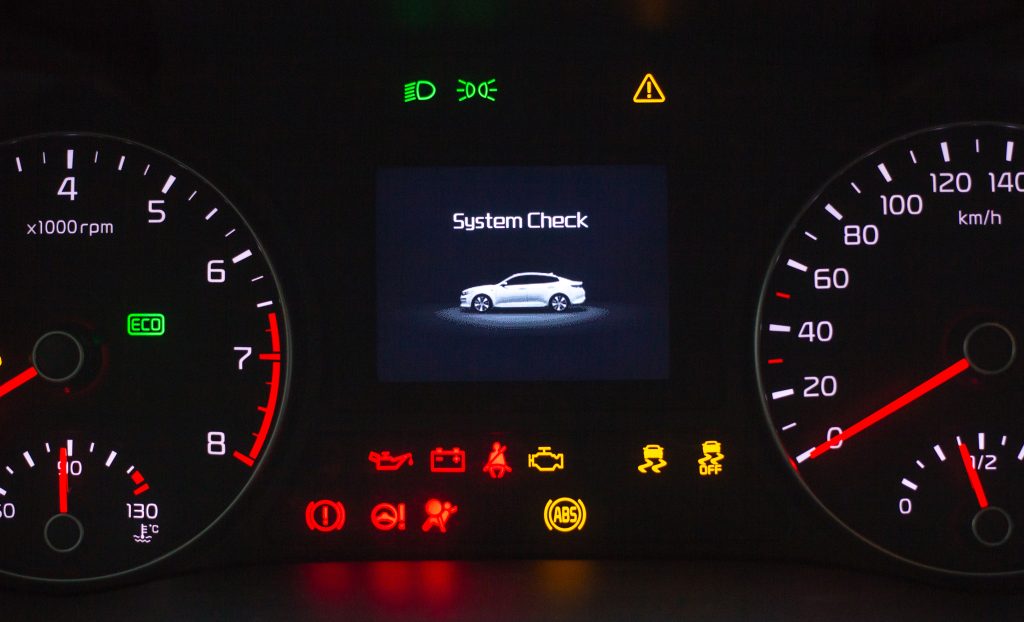
A dashboard alert does not always identify one exact repair. Instead, it tells you where to begin checking. Furthermore, the information display may show a written message. Because Mazda models and years differ, your owner’s manual remains the correct guide.
Read the Shape Before You React
A warning symbol identifies the area that needs attention. First, look at the shape around the image. Then note the color and whether the light stays on or flashes. These details narrow the possible meaning.
Still, some images look similar at a quick glance. However, the outline around an exclamation mark changes its meaning. A tire shaped outline points toward tire pressure. A triangle usually works as a broader master alert.
Next, read any message shown beside the gauges or on the center display. Moreover, that message may name the concern or provide an action. In addition, listen for warning chimes and note when they begin.
Do not stare at the dashboard while moving through Honolulu traffic. Instead, find a safe place to stop when the alert needs closer review. Afterward, photograph the symbol and written message. That record can be useful if the light later disappears.
Understand the Mazda Exclamation Mark
The Mazda exclamation mark can appear inside more than one shape. The surrounding outline tells you which alert you are viewing. Therefore, identify the full symbol before checking tire pressure or contacting service.
An exclamation mark inside a tire outline points toward the tire pressure monitor. For this reason, one or more tires may need a pressure check. Additionally, a recent temperature shift may change pressure readings. Check every tire with a reliable gauge after the tires cool.
If a tire looks damaged or nearly flat, avoid driving farther. Install the spare when your Mazda includes one and safe installation is possible. Otherwise, request roadside assistance.
A triangle with an exclamation mark is commonly called the master warning light. It usually appears with another message or alert. Therefore, read the display before assuming which part needs attention.
The master light does not name one single fault. Instead, it directs you toward more information. Moreover, the written message may request service, identify an open panel, or report another vehicle concern.
Know When to Stop Driving
Some warning lights call for immediate care. Red brake, oil pressure, charging, or high temperature alerts deserve a prompt response. However, the exact instruction must match your Mazda manual.
Move away from traffic when steering, braking, or engine response feels unusual. In addition, turn on the hazard lights and stop on level ground when possible. Then place the transmission in Park and switch off the engine.
Several signs require an immediate stop.
- Stop when the brake pedal feels soft, sinks lower, or needs unusual pressure.
- Stop when steam appears, temperature climbs, or a hot odor enters the cabin.
- Stop when the engine knocks, loses power, or produces a harsh mechanical sound.
Do not open a hot cooling cap. Because hot coolant can escape under pressure, opening the cap can cause severe burns. Also, do not continue driving with a red oil pressure alert. Low oil pressure can damage internal engine parts quickly.
After parking, review the manual and contact roadside assistance or Mazda service. Consequently, you avoid guessing when the vehicle shows signs that need trained inspection.
Give Amber Alerts Prompt Attention
An amber light usually requests inspection soon. Nevertheless, it deserves attention even when the vehicle still moves normally. The symbol, message, and driving response still guide the timing.
A steady check engine light can point toward an engine, emissions, transmission, fuel level, or fuel cap concern. First, check whether the fuel cap is secure. Then note any rough running, reduced power, smoke, or unusual smell.
A flashing check engine light needs faster attention than a steady light. Reduce speed and avoid hard acceleration. Find a safe place to stop when the engine runs poorly or the light keeps flashing.
Tire pressure, safety feature, key, and all wheel drive alerts may also appear in amber. Still, some lights clear after the concern is corrected. Record when the alert appeared and whether it returned.
Honolulu heat, traffic, road debris, and short trips can shape when a light appears. Even so, only inspection and diagnostic testing can identify the cause. Do not replace parts based only on an online symbol chart.
Record Details Before Calling Mazda Service
Clear notes give the service team a stronger starting point. Begin with the exact symbol, its color, and any written dashboard message. Furthermore, state whether the light remained steady or flashed.
In addition, record the time, mileage, and road setting. Note whether the Mazda was starting, idling, accelerating, braking, or climbing a hill. Also mention recent fuel stops, tire work, battery replacement, or maintenance.
Before calling, gather these details:
- Share the Mazda model, model year, mileage, and vehicle identification number.
- Describe sounds, smells, shaking, steering changes, or reduced engine response.
- Explain when the light began, how long it stayed on, and whether it returned.
Do not clear stored codes before an appointment unless a technician requests that step. Furthermore, stored fault information can support diagnosis. Additionally, keep photographs of the dashboard message for the service advisor.
Cutter Mazda Honolulu provides vehicle diagnostics, inspections, maintenance, and repairs at its Ala Moana Boulevard service center. Sharing complete notes can make the first conversation more focused.
Use the Correct Mazda Manual
The owner’s manual gives guidance for your exact Mazda model and year. Dashboard symbols can differ across instrument clusters, trims, and powertrains. Therefore, a generic chart should never replace the manual.
Use the manual’s warning light index to match the symbol. Next, read every caution and listed action. Some entries separate a steady light from a flashing light. By contrast, others direct the driver to stop or arrange an inspection.
Mazda also provides online manuals with searchable warning light sections for many recent models. Therefore, confirm the model year before following those instructions. In addition, compare the symbol with the image shown in the manual.
A warning light should lead to a calm, careful response. Identify the symbol, read the message, and note how the Mazda feels. Then follow the manual and seek service when directed. Clear information keeps the next step easier to understand.
Connect with us


- July 2026
- June 2026
- May 2026
- April 2026
- May 2024
- March 2024
- February 2024
- December 2023
- November 2023
- October 2023
- September 2023
- August 2023
- July 2023
- June 2023
- May 2023
- April 2023
- March 2023
- February 2023
- January 2023
- December 2022
- November 2022
- October 2022
- September 2022
- August 2022
- July 2022
- June 2022
- May 2022
- April 2022
- March 2022
- February 2022
- January 2022