

Key Takeaways: First-time car buyers often make mistakes due to lack of experience and knowledge. Research and budgeting are crucial steps to avoid overspending. Inspecting and test-driving multiple cars helps in making an informed choice. Understanding financing options and reading the fine print is vital. Avoiding impulse purchases and seeking advice from experienced car buyers can prevent regrets. Embarking on the journey of buying your first car is an exciting milestone in life. It's a symbol of freedom, convenience, and independence. However, navigating the car buying process as a first-time buyer can be challenging. There are countless options, decisions to make, and potential pitfalls to avoid. But fear not; we're here to guide you through this crucial phase of your life, ensuring you make informed choices and avoid common mistakes. Ready to begin your car buying journey? Cutter Mazda Honolulu is here to help. Explore our range of vehicles and expert advice to make your first-time car buying experience a success. Avoiding the Pitfalls of First-Time Car Buying As a first-time car buyer, it's natural to feel overwhelmed. To help you stay on the right track, let's explore the most common mistakes first-time buyers make and how to avoid them. Lack of Research When it comes to research for your first car purchase, go beyond just checking out the latest models. Start by assessing your specific needs and budget. Are you a daily commuter, an adventurer who loves off-roading, or a family-oriented driver? Each lifestyle demands a different type of vehicle. Moreover, consider long-term costs like fuel efficiency, insurance rates, and maintenance expenses. Thorough research into these aspects will help you narrow down your options and make an informed decision that aligns with your lifestyle and financial situation. Overspending Overspending on your first car can lead to long-term financial challenges. To avoid this common mistake, establish a well-defined budget that covers all associated costs. Calculate not only the purchase price but also expenses like taxes, registration, insurance, and potential future repairs. Consider the total cost of ownership, including fuel and maintenance. A comprehensive budget will empower you to find a car that meets your financial capacity and lifestyle requirements without straining your finances. Skipping Inspections Skipping a comprehensive inspection can be a costly oversight. Even when purchasing from a reputable dealership, it's vital to have an independent mechanic inspect the vehicle. Their trained eye can uncover issues you might miss and objectively assess the car's condition. Relying solely on the seller's word can be risky. An inspection ensures you're buying a safe and reliable vehicle and offers valuable negotiation leverage if any issues are identified. Not Test-Driving Enough Test-driving is an essential part of the car buying process. Take your time during test drives and pay attention to key factors such as comfort, visibility, handling, and overall driving experience. Consider the specific driving conditions you'll encounter regularly: city traffic, highways, or rough terrain. Testing multiple cars allows you to make a meaningful comparison and choose a vehicle that best suits your needs and preferences. Ignoring Financing Options Understanding your financing options is paramount. Interest rates, loan terms, and monthly payments can vary significantly among lenders. To secure the best financing deal, shop around and don't hesitate to negotiate terms that align with your financial goals. Additionally, scrutinize the fine print to uncover any hidden fees or unfavorable conditions that could impact your long-term financial well-being. Making informed financing decisions can lead to substantial savings over the life of your car loan. Impulse Purchases The excitement of buying your first car can lead to impulsive decisions. To avoid buyer's remorse, resist the urge to make quick choices. Take time to reflect, compare different options, and even sleep on your decision if necessary. Seek advice from experienced car buyers or trusted friends and family who can provide valuable insights. Their guidance can help you make a well-thought-out decision that aligns with your needs and preferences while avoiding hasty purchases driven by emotions. Failing to Negotiate Negotiation skills can significantly impact your car buying experience. Dealerships often have room for negotiation in pricing, and private sellers may also be open to bargaining. Approach negotiations confidently, be prepared to make a counteroffer and consider asking for additional benefits such as extended warranties, complimentary maintenance, or accessory packages. Effective and respectful negotiation can result in substantial savings and added value to your purchase. Not Reading the Fine Print Navigating the paperwork involved in a car purchase can be overwhelming, but overlooking the fine print can lead to misunderstandings and unexpected expenses. Take the time to carefully read and comprehend all documents, especially the sales contract. Ensure you know all terms and conditions, warranty details, and additional costs or fees. Being diligent in reviewing the paperwork can prevent future disputes and financial surprises. Skipping the Vehicle History Report Whether you're buying from a dealership or a private seller, always request a comprehensive vehicle history report. This report provides vital insights into the car's past, including accidents, title status, and maintenance records. Skipping this step may leave you unaware of potential red flags affecting the car's reliability and overall value. A vehicle history report is crucial for making an informed and confident purchase. Not Seeking Advice Never underestimate the value of seeking advice when buying your first car. Tap into the knowledge and experiences of seasoned car buyers or consult online forums, reviews, and expert opinions. Learning from others can provide valuable insights, tips, and recommendations that help you navigate the car buying process more effectively. Don't hesitate to reach out to friends, family, or online communities for advice and guidance. Their collective wisdom can assist you in avoiding common pitfalls and making informed decisions throughout your first car buying journey. A Smarter First-Time Car Buying Experience As you embark on your journey as a first-time car buyer, remember that knowledge is your most potent tool. By avoiding these common mistakes and taking a patient, well-researched approach, you can make a confident and informed purchase decision. Cutter Mazda Honolulu is here to support you every step of the way, offering a wide selection of vehicles and expert advice to ensure your first car buying experience is a successful and enjoyable one.
9 Tips for Buying a Used Car in Honolulu
Key Takeaways: Research is key when buying a used car. Set a budget and stick to it. Consider the vehicle's history and condition. Test drive the car to assess its performance. Get a professional inspection for added assurance. Check the vehicle's title and ownership history. Understand the warranty and return policies. Negotiate the price and terms confidently. Don't rush the decision-take your time to make the right choice. Purchasing a used car in Honolulu offers a fantastic opportunity to own a reliable vehicle without the immediate depreciation that comes with new car ownership. However, the used car market requires careful consideration and thorough research to ensure you're making a wise investment. Whether you're a first-time buyer or have experience, these nine tips will guide you through the process, helping you find the perfect pre-owned vehicle that aligns with your needs and budget. Ready to explore an extensive selection of quality used cars in Honolulu? Visit Cutter Mazda Honolulu and discover your dream pre-owned vehicle today. Navigating the Used Car Buying Journey in Honolulu Conduct In-Depth Research Before delving into the used car market in Honolulu, dedicate time to thorough research. Browse reputable websites, car forums, and reviews to gather information on makes and models that resonate with your preferences and needs. Consider factors like fuel efficiency, reliability, maintenance costs, and available features. Armed with this knowledge, you'll approach dealerships with confidence and a clear understanding of what you're looking for. Set a Realistic Budget Establishing a realistic budget is a cornerstone of successful used car buying. Consider your financial situation, factoring in the purchase price and ongoing expenses such as insurance, taxes, and potential repairs. By defining your budget early on, you'll avoid the temptation to overspend and ensure you're searching within your means. Assess Vehicle History and Condition Scrutinizing a used car's history and condition is vital. Obtain a vehicle history report to uncover any previous accidents, title issues, or odometer discrepancies. Physically inspect the car for signs of wear, rust, or poor maintenance. Take note of the tires, brakes, and engine compartment. A thorough evaluation will help you make an informed decision and avoid potential pitfalls. Test Drive for Performance A test drive is your chance to experience the vehicle's performance firsthand. Pay attention to how it handles turns, accelerates, brakes, and navigates various road conditions. Listen for unusual noises and feel for any vibrations. During the test drive, assess the comfort of the seats, visibility, and ease of controls. A successful test drive ensures that the car aligns with your driving style and preferences. Obtain a Professional Inspection While a test drive provides valuable insights, a professional inspection offers a deeper understanding of the car's mechanical condition. Enlist a trusted mechanic to assess the engine, transmission, brakes, and other critical components. They can identify potential issues that might not be evident to the untrained eye, giving you a comprehensive overview of the vehicle's health. Check Title and Ownership History Investigate the car's title and ownership history to avoid potential legal or financial complications. Request the vehicle identification number (VIN) and obtain a history report to verify its authenticity. A clean title and a transparent ownership record indicate a car with a lower risk of hidden problems or disputes. Understand Warranty and Return Policies While used cars may not come with the same warranty coverage as new ones, some dealerships offer limited warranties or certified pre-owned programs. Understand the extent of coverage and inquire about any available warranties. Familiarize yourself with the dealership's return policy to ensure you have recourse if unexpected issues arise shortly after your purchase. Negotiate Confidently Negotiation is a common practice in the used car buying process. Armed with your research on the car's market value and condition, negotiate with confidence. Be prepared to discuss price, potential repairs, or added features. Maintain a respectful tone while advocating for a fair deal that aligns with your budget and expectations. Take Your Time Patience is your ally when buying a used car. Avoid rushing into a purchase, even if you find a seemingly perfect vehicle. Take the time to explore multiple options, gather information, and make comparisons. A careful and deliberate approach ensures that you're making a well-informed decision that suits your needs and provides long-term satisfaction. Your Roadmap to a Successful Used Car Purchase Navigating the used car market in Honolulu requires a strategic approach and informed decision-making. By adhering to these nine tips, you'll enter the process prepared and confident. From research and budgeting to inspections and negotiations, each step contributes to securing a reliable and satisfying pre-owned vehicle. Your dream car is waiting, and with careful consideration, you'll drive away with confidence, knowing you've made a smart investment. Ready to explore a diverse selection of quality used cars? Visit Cutter Mazda Honolulu and embark on your journey to finding the perfect pre-owned vehicle that suits your lifestyle and preferences.
11 Signs It's Time for Brake Service
Key Takeaways: Prioritize regular brake service for safety and optimal vehicle performance. Recognize warning signs like squeaking, vibrations, and longer braking distances. Address dashboard warning lights promptly to prevent costly brake issues. Act on soft or spongy brake pedal feel to maintain effective braking response. Don't ignore burning smells or unusual noises, as they indicate potential problems. Take immediate action if your car pulls to one side while braking. Check for brake fluid leaks and seek a professional assessment if detected. Ensure timely brake maintenance to extend brake lifespan and driving confidence. Imagine cruising down the highway, wind in your hair and a sense of freedom that comes with the open road. Your car, your trusted companion, has taken you on countless adventures. But have you ever stopped to think about the unsung hero responsible for keeping you safe and in control? We're talking about your brakes - the silent protectors of your journeys. In this guide, we'll explore the 11 signs that it's time for brake service, ensuring you never overlook these essential components and maintain your safety on the road. Is it time for brake service? Contact our trusted car dealership for professional brake maintenance and ensure your safety on the road. Essential Note: The Importance of Brake Service Your car's brakes are not just a convenience but a critical safety feature. Regular brake service is essential to maintain optimal performance and ensure your driving safety. Neglecting brake maintenance can compromise braking efficiency, putting you and others at risk on the road. By paying attention to these signs, you can proactively address potential brake issues before they escalate. Sign #1: Squeaking or Squealing Brakes One of the most noticeable signs that it's time for brake service is when you hear persistent squeaking or squealing noises while applying the brakes. These high-pitched sounds often indicate that the brake pads have worn down significantly. Don't ignore these auditory cues; they can be an early warning that your brake pads need replacement. Sign #2: Vibrations While Braking If you feel vibrations or pulsations through the brake pedal when you apply the brakes, it's a sign of potential trouble. This phenomenon, known as brake pedal pulsation, can indicate uneven wear on the brake rotors. Ignoring this issue can reduce braking performance and even damage other brake components. Sign #3: Longer Braking Distances If you find that your car takes longer to come to a complete stop, it's time to consider brake service. Increased braking distances could result from worn brake pads or decreased brake fluid efficiency. Prompt attention to this issue can prevent accidents and ensure your vehicle's ability to respond quickly to sudden stops. Sign #4: Dashboard Warning Lights Modern vehicles are equipped with advanced brake warning systems that monitor the health of your brakes. If you notice the brake warning light illuminated on your dashboard, it clearly indicates that your brake system requires immediate attention. Ignoring these warnings can lead to more extensive and costly brake issues. Sign #5: Soft or Spongy Brake Pedal Your brake pedal should feel firm and responsive when pressed. If you notice that the brake pedal feels soft, spongy, or sinks to the floor when you apply pressure, it's a sign of air in the brake lines or a potential brake fluid leak. Addressing this issue promptly is essential to maintain the effectiveness of your braking system. Sign #6: Burning Smell While Driving A burning odor while driving, especially when using the brakes, could indicate overheating brake components. That could be due to excessive friction caused by worn brake pads or a dragging brake caliper. Ignoring this smell could lead to further damage and compromise your braking system's safety. Sign #7: Unusual Brake Noises Aside from squeaking or squealing, other unusual noises, such as grinding or growling sounds when you apply the brakes are cause for concern. These noises often suggest that the brake pads have worn down completely and the metal components are grinding against each other. Immediate brake service is crucial to prevent further damage to the brake system. Sign #8: Pulling to One Side While Braking If your car veers to one side when you apply the brakes, it could indicate uneven brake pad wear or a brake caliper issue. That not only affects the overall braking performance but also compromises your vehicle's alignment. Addressing this issue promptly can prevent further wear and tear on your brakes and tires. Sign #9: Brake Fluid Leaks Inspect your car for any signs of fluid leaks around the wheels or underneath the vehicle. Brake fluid leaks are a serious issue that can lead to decreased brake effectiveness. If you notice a clear or brownish fluid pooling around the wheels, consult a professional immediately to identify and fix the source of the leak. Sign #10: Steering Wheel Vibration While braking, if you notice vibrations not only through the brake pedal but also through the steering wheel, it's a sign of potential brake issues. That vibration can indicate uneven brake pad wear or warped brake rotors. The uneven contact between the brake pads and rotors causes these vibrations, affecting your braking performance and the overall driving experience. Sign #11: Reduced Brake Fluid Level Brake fluid is a critical component of your braking system, helping to transmit the force from the brake pedal to the brake calipers. If the brake fluid level in the reservoir is noticeably low, it could be due to a leak or other issues. A reduced brake fluid level can compromise your braking efficiency and responsiveness, making it essential to address the problem promptly. Don't Ignore These Signs! Recognizing the signs that it's time for brake service is your key to safe and confident driving. These warning signals act as your car's language, communicating the need for attention to ensure your brakes perform optimally. If any of these signs resonate with your recent experiences, it's time to prioritize brake maintenance. Turn to the experts at Cutter Mazda of Honolulu for comprehensive brake service that guarantees your safety on the road.
9 Engine Noises You Shouldn't Ignore
Key Takeaway: Strange engine noises can be warning signs of potential car problems, such as worn-out components or engine malfunctions. Promptly address any unusual sounds to prevent further damage and costly repairs, as early detection can save you money and ensure your safety. Consult a professional mechanic to accurately diagnose and fix engine noise issues, as DIY approaches may worsen the problem. Regular vehicle maintenance, including oil changes and tune-ups, can help prevent engine noise and keep your car running smoothly. Pay attention to changes in engine noise and be proactive in addressing them to maintain the performance and longevity of your vehicle. Your car is more than just a means of transportation; it's a symphony of mechanical components working together to deliver a smooth and reliable ride. The engine takes center stage among these crucial elements, powering your vehicle and propelling you forward. However, like any complex machinery, your car's engine is not immune to occasional hiccups and abnormalities. One of the most critical ways your car communicates with you is through engine noises. While some sounds are normal, others could indicate underlying issues that should not be ignored. Keep reading to learn more about engine noises you shouldn't ignore! If you notice any unusual engine noises, don't delay! Visit Cutter Mazda of Honolulu for expert diagnosis and reliable car maintenance services. Our experienced team is here to keep your car running smoothly and safely. Knocking or Pinging A knocking or pinging sound from your engine is cause for concern. It may indicate issues with the engine's combustion process, such as improper air-fuel mixture, carbon buildup, or low-quality fuel. Ignoring this noise could lead to engine damage over time, impacting performance and fuel efficiency. If you hear knocking or pinging sounds, it's crucial to have your car inspected by a qualified mechanic to identify and address the root cause. Tapping or Clicking Tapping or clicking noises from the engine could signal problems with the valvetrain. That may include worn-out lifters, a loose rocker arm, or insufficient lubrication. These issues can affect the proper functioning of the valves, leading to reduced engine performance and potential valve damage. Ignoring these sounds could result in costly repairs down the line. Don't hesitate to have your car checked by a professional if you hear tapping or clicking sounds. Squealing or Screeching Squealing or screeching noises may point to a loose or worn-out belt, especially during engine startup. The timing, serpentine, or drive belts could be the culprit. If these belts are not functioning correctly, critical engine components may not receive proper power, leading to engine stalling or damage. Timely belt replacement is essential to prevent further issues and ensure your engine's longevity. Have your car inspected by a skilled technician to determine which belt requires attention. Hissing or Whistling A hissing or whistling noise could indicate a vacuum leak, where air enters the engine outside of the standard air intake system. That can cause an imbalance in the air-fuel mixture, leading to poor engine performance and reduced fuel efficiency. Ignoring this noise may also cause the "check engine" light to illuminate. A professional inspection is necessary to locate and fix the vacuum leak promptly, ensuring your engine operates at its best. Rattling or Rumbling A rattling or rumbling noise coming from the engine may signal several issues, ranging from loose parts to worn-out bearings. Loose heat shields, exhaust components, or engine mounts can create such noises, especially during acceleration or deceleration. Additionally, failing bearings in the alternator, water pump, or power steering pump could be the cause. Ignoring these sounds may lead to more extensive engine damage, so addressing them promptly is essential to prevent further complications. Grinding or Clunking Grinding or clunking sounds from the engine may indicate problems with the transmission or drivetrain components. Worn-out transmission gears or malfunctioning universal joints can create such noises. If left unattended, these issues can result in transmission failure, leading to costly repairs. If you hear grinding or clunking sounds, it's crucial to have your car inspected by a qualified mechanic to diagnose and address the problem promptly. Whining or Humming A whining or humming noise, particularly during acceleration, could point to a problem with the transmission or differential. Worn-out gears, low transmission fluid, or damaged bearings may be the cause. Ignoring these sounds could lead to transmission failure, leaving your car inoperable and requiring expensive repairs. Timely inspection and maintenance can prevent further damage and ensure the smooth operation of your vehicle. Backfiring Backfiring is a loud popping or banging noise that may occur during engine deceleration or when starting the car. It can indicate issues with the air-fuel mixture or ignition timing. Backfiring can damage the exhaust system or engine components if left unaddressed. A professional mechanic can diagnose the cause of backfiring and make the necessary adjustments or repairs to prevent further engine damage. Sputtering or Misfiring Sputtering or misfiring occurs when the engine skips one or more combustion cycles. Various factors, including faulty spark plugs, ignition coils, or fuel injectors, can cause it. Ignoring this noise may lead to decreased engine performance, reduced fuel efficiency, and potential damage to the catalytic converter. If you experience sputtering or misfiring, have your car inspected and repaired by a qualified technician to keep your engine running smoothly and efficiently. Don't Ignore These Engine Noises! Your car's engine noises should never be taken lightly. Ignoring unusual sounds can lead to more significant problems and costly repairs. Paying attention to these warning signs and addressing them promptly with professional assistance can ensure the health and longevity of your vehicle. Regular maintenance and timely repairs keep your car running at its best and provide you with peace of mind on the road. If you hear any of these engine noises, don't hesitate to visit Cutter Mazda of Honolulu for expert diagnosis and reliable car maintenance services. Our experienced team is dedicated to keeping your car running smoothly and ensuring a safe and enjoyable driving experience.
Mazda Warning Lights: What They Mean and Why You Shouldn't Ignore Them
Key Takeaways: Mazda warning lights serve as crucial indicators of potential issues with your vehicle, and they should never be ignored. Ignoring warning lights can lead to more significant problems and expensive repairs down the line, compromising your safety and vehicle performance. Understanding the meanings of Mazda warning lights empowers you to take appropriate action and address potential issues promptly. Promptly addressing warning lights ensures your safety on the road and helps maintain the longevity and reliability of your Mazda. Regular vehicle maintenance, including addressing warning lights promptly, is key to ensuring optimal performance and avoiding costly repairs. If you encounter any Mazda warning lights, it's recommended to seek professional assistance from reputable dealerships like Cutter Mazda of Honolulu. Our knowledgeable technicians can diagnose and resolve any issues effectively. When driving your Mazda, it's important to pay attention to warning lights that illuminate on your dashboard. Ignoring these warning lights can result in more significant problems and expensive repairs. In this article, we will discuss nine common Mazda warning lights, their meanings, and why you should never ignore them. If you need expert assistance with your Mazda, contact Cutter Mazda of Honolulu - our knowledgeable will address your concerns and keep your vehicle running smoothly. Check Engine Light The check engine light, indicated by an icon resembling an engine, typically signifies an engine or emissions system issue. Ignoring this light can lead to decreased fuel efficiency, engine damage, or failure to meet emissions standards. It can also result in more severe damage, requiring expensive repairs and potentially leaving you stranded. Have your Mazda diagnosed by a professional technician to identify and rectify the underlying issue. Battery Warning Light The battery warning light, resembling a battery icon, indicates a problem with the charging system. Ignoring this light may result in a dead battery, leaving you stranded and unable to start your Mazda. It could be caused by a faulty alternator, a worn-out battery, or loose or damaged cables. Have your battery and charging system checked by a qualified technician to prevent unexpected breakdowns and ensure reliable starting and electrical system performance. Brake System Warning Light The brake system warning light, typically depicted as an exclamation mark within a circle, signifies an issue with the braking system. It may indicate low brake fluid, worn brake pads, or a malfunctioning brake system. Ignoring this light can compromise your vehicle's braking performance and safety. That's because a failing braking system can lead to reduced stopping power, increased stopping distances, and a higher risk of accidents. Oil Pressure Warning Light The oil pressure warning light, represented by an oil can icon, indicates low oil pressure in the engine. It's often caused by low oil levels, a malfunctioning oil pump, or oil leaks. So, check your oil levels and consult a technician to diagnose and resolve the issue promptly. Ignoring the oil pressure warning light can result in inadequate lubrication, leading to increased friction, heat, and wear on engine components. Tire Pressure Monitoring System (TPMS) Warning Light The TPMS warning light, depicted as an exclamation mark within a tire, signals low tire pressure in one or more of your Mazda's tires. Ignoring this light can compromise your vehicle's handling, fuel efficiency, and tire life. That could be due to uneven tire wear, reduced traction, and potential tire blowouts. So, check your tire pressure and inflate them to the recommended levels. If the light persists, there may be a puncture or tire damage that requires attention. ABS Warning Light The ABS warning light, usually displayed as "ABS" within a circle, indicates a problem with the anti-lock braking system. Ignoring this light can affect the effectiveness of your Mazda's braking system, particularly during emergency stops or on slippery surfaces. The braking performance, especially in adverse driving conditions, can also be compromised. That increases the risk of skidding or loss of control, potentially leading to accidents. Stability Control System Warning Light The stability control system warning light, often represented by a vehicle with skid marks, suggests an issue with the traction control or stability control system. Neglecting the stability control system warning light can reduce your vehicle's ability to maintain traction and stability, increasing the likelihood of skidding or loss of control. It'll also compromise your vehicle's stability and handling, especially in challenging road conditions. Engine Coolant Temperature Warning Light The engine coolant temperature warning light, represented by a thermometer or radiator, alerts you to excessive engine temperature. Ignoring this light can lead to engine overheating, which may result in severe engine damage, such as a blown head gasket or warped cylinder head. Check your coolant levels and ensure proper circulation. If the light persists, consult a professional to diagnose and address cooling system issues. Airbag System Warning Light The airbag system warning light, typically represented by an icon depicting a person with an inflated airbag, indicates a potential problem with the airbag system. Neglecting the airbag system warning light can lead to non-deployment or improper deployment of airbags, increasing the risk of injury in an accident. As such, ignoring this light can jeopardize your safety in the event of a collision. Have your Mazda inspected immediately by a qualified technician to ensure the airbag system is functioning correctly. Never Ignore These Mazda Warning Lights! Mazda warning lights are vital indicators of potential issues with your vehicle. Ignoring these warning lights can lead to more significant problems and costly repairs down the line. By understanding the meanings of the warning lights and taking prompt action, you can ensure your safety, maintain your vehicle's performance, and prevent unexpected breakdowns. If you require professional assistance with your Mazda, visit Cutter Mazda of Honolulu. Our dedicated team is ready to address your concerns and keep your Mazda running smoothly. Don't ignore warning lights-prioritize the health and safety of your Mazda.
Demystifying the Car Buying Process in Honolulu
Key Takeaways: Understand the importance of research and preparation before visiting car dealerships. Learn about the different financing options available and how to choose the most suitable one for your needs. Discover tips for negotiating the best price and getting the most value for your money. Find out the importance of test driving and inspecting the vehicle before making a final decision. Gain insights into post-purchase considerations, such as insurance and maintenance. Are you considering buying a car in Honolulu? The process of purchasing a vehicle can be exciting but also overwhelming, especially if you're not familiar with the ins and outs of car buying. However, with a little knowledge and preparation, you can navigate the process smoothly and make a well-informed decision. In this article, we will demystify the car buying process in Honolulu and provide valuable insights to help you make the right choices. If you're ready to embark on this journey, let's explore the car buying world together! Visit Cutter Mazda of Honolulu and experience our exceptional customer service and wide selection of vehicles today! Research and Preparation Before setting foot in a car dealership, conducting thorough research and preparing yourself for the car buying process is crucial. Here are some essential steps to take: Determine Your Budget: Assess your finances and set a realistic budget that includes the purchase price and factors like insurance, maintenance, and fuel costs. This will help you narrow down your options and ensure you don't overspend. Research Different Car Models: Consider your needs, preferences, and lifestyle to narrow down your options. Read reviews, compare specifications, and explore different car models that align with your requirements. Pay attention to fuel efficiency, safety features, and cargo space. Check Market Prices: Utilize online resources and car valuation tools to determine the market prices for the cars you're interested in. This will give you an idea of fair pricing and help you negotiate better. Remember that factors such as mileage, condition, and additional features can affect the price. Get Pre-approved for Financing: If you plan to finance your car purchase, getting pre-approved for a loan is advisable. This will give you a clear understanding of your budget and the interest rates you qualify for. Shop around for the best rates and terms from different lenders to secure the most favorable financing option. Financing Options Understanding your financing options is crucial to ensure you make the best financial decision when buying a car. If you have enough savings, buying a car outright with cash can save you from interest charges and monthly payments. It also provides you with more negotiation power. However, if you're short on cash, consider auto loans. Shop around for the best interest rates, loan terms, and repayment options to secure the most competitive loan. You may also consider trading in your current car. And if you're trading in your current vehicle, research its value beforehand. Get multiple trade-in offers to ensure you're getting the best deal. Remember, the trade-in value can be used as a down payment towards your new car. Negotiating the Best Price Negotiating the price of a car can be intimidating, but it's an essential part of the car buying process. Start by researching comparable cars. Be aware of the market prices for similar vehicles to negotiate from a position of knowledge and leverage. Look for online listings and check the prices of similar models in your area. Moreover, don't settle for the first dealership you visit. Shop around, compare prices, and use competitors' offers as leverage during negotiations. That allows you to get a sense of the market and find the best deal. And finally, feel free to walk away if the terms and pricing aren't satisfactory. Remember, there are other dealerships and vehicles available. Being willing to walk away shows that you're a serious buyer and can often lead to better offers. Pro Tip: Keep in mind that the purchase price is not the only cost associated with buying a car-factor in taxes, registration fees, and any additional accessories or warranties you may want to include. Test Driving and Inspection Before finalizing your purchase, it's crucial to test drive and inspect the vehicle thoroughly. Keep these considerations in mind: Test Drive: Take the car for a test drive to assess its performance, comfort, and handling. Pay attention to any unusual sounds, vibrations, or issues that may raise concerns. Test the vehicle in various driving conditions, including highways and city streets. Vehicle History Report: Obtain a vehicle history report to learn about its past ownership, accidents, and maintenance records. That'll help you make an informed decision and identify any red flags. Inspection: If you're buying a used car, consider getting a professional assessment to identify any hidden issues that may not be evident during the test drive. An expert can thoroughly examine the vehicle's mechanical and structural condition, giving you peace of mind. Post-Purchase Considerations After purchasing your vehicle, you should contact your insurance provider to update your policy or shop around for the best coverage and rates. Factors such as the car's make, model, and safety features can influence insurance premiums. Also, review the warranty details provided by the manufacturer or dealer. Understand the coverage period and any limitations. Consider extended warranty options for added peace of mind, especially if you plan to keep the vehicle for an extended period. And before leaving the dealership, establish a maintenance schedule to keep your car in top condition. Regular maintenance, including oil changes, tire rotations, and brake inspections, is crucial for the longevity and performance of your vehicle. Navigate the Car Buying Process in Honolulu You're now equipped with valuable insights to demystify the car buying process in Honolulu. Remember, research, preparation, and informed decision-making are the keys to a successful car purchase. When you're ready to explore an extensive selection of vehicles and receive exceptional customer service, visit Cutter Mazda of Honolulu. Our knowledgeable team is ready to assist you in finding the perfect car to suit your needs and preferences. Start your car buying journey today and enjoy the ride!
9 Car Safety Features That Save Lives
Typically, safety features in automobiles have evolved over the years, preventing millions of crashes and reducing the risk of fatality. And while many car buyers don't consider safety features, when shopping for a used or new car, you should prioritize safety features because they are literally a lifesaver. That's why our experts at Cutter Mazda of Honolulu have created this guide on the car features that save lives- check these features when buying your next car! Key Takeaways: Car safety features are the key to the survival of drivers and passengers because you never know when you will be involved in an accident, and it can happen to anyone. Advanced technology is helping drivers be more aware and help keep roads safer for all road users. Examples of car safety features that save lives include advanced airbags, automatic emergency braking, adaptive headlights, and collision warning. Features such as seatbelt tugs, tire pressure systems, backup cameras, automatic parking, and electronic stability control have been known to enhance safety for all road users. Automatic Emergency Braking Autonomous emergency braking (AEB) is applied when the system detects an oncoming or potential collision. The technology uses sensors and cameras to detect pedestrians, objects on the road, and other vehicles, giving you more time to react to those hazards. Advanced Airbags In 1968, Allen Breed invented the first electronic sensor to set off airbags in case of an accident, and the airbags became mandatory in 1998. The first was installed to put additional restraints for the driver and the front passenger, who are just inches from the windshield. These airbags inflate on impact so as to further reduce the effects of car crashes. Today, manufacturers are installing advanced and more supplementary airbags strategically placed, including side airbags, to enhance protection in case of a collision. Seat Belt Tug It's mandatory for all vehicle manufacturers to make seat belts standard in all motor vehicles. Besides that, seatbelt safety technology helps to ensure a proper fit for the person using the seatbelt. To be effective, a seat belt needs to be of the right size. And since the 1960s, several improvements to seatbelts have been made. Today, automatic tensioning technology gives your seatbelt a tug to ensure that it's just the right length for optimal safety. Tire Pressure System Tires are your car's feet, so keeping them in tip-top shape will minimize the possibility of road crashes. The good news is that modern cars have advanced technology that warns you if there's an issue with your tire pressure system. For instance, a tire pressure monitoring system immediately informs you when the pressure is low or high. Adaptive Headlights Adaptive headlight technology is ideally designed to reduce the risk of accidents that occur at nighttime or in foggy or rainy weather and other lower visibility instances. The goal of having adaptive headlights is to give you a clearer view of the road ahead. For instance, some vehicles automatically adjust from dim to bright as it reaches speeds of 80 kilometers per hour up. Other smart headlights essentially use cameras and sensors to adjust the brightness and direction of the light depending on the driving conditions. Collision Warning Forward collision warning (FCW) is one of the current advanced safety technologies. Let's put it this way: when driving on an expressway, unexpected vehicle lane changes and sudden deceleration by the driver of a second car may result in a forward collision. That's why automakers equip their vehicles with FCW to detect and alert you of the movement of another vehicle, pedestrians, cyclists and objects ahead in the same lane. In addition, this safety system uses radar, cameras, and laser sensors installed on the front of a car to determine the distances and the relative speed between the two cars. Backup Cameras Did you know that according to the Insurance Institute for Highway Safety (IIHS), about 300 people are killed and 18,000 injured every year due to drivers being unable to see the pedestrians at the back of their vehicles? The good news is that backup or rearview cameras are now standard features in modern cars and light trucks. Backup cameras help you to have a clear path to move your car backward with pedestrian detection, rear cross-traffic collision warning, and blind spot warnings. Automatic Parking Have you ever been desperately searching for a parking spot and scratched your head at someone else's parking area? In that case, car safety features like automatic parking built into newer cars allow you to park your car safely in some tight spots. The automatic parking senses the space of a parking spot, and it will mechanically park the vehicle for you. Electronic Stability Control (ESC) Electronic stability control allows you to maintain control of the car in difficult driving conditions to avoid dangerous rollover and skidding accidents. ESC uses computer sensors to help a vehicle react in the most efficient way to sudden jerking of the steering wheel and other signs of vehicle instability. Safety Features That Save Lives! Overall, there are several factors that influence the severity of a car crash and its consequences. The good news is that with the above car features, you can drive safely, and the protection of the driver, passengers, and other road users is enhanced. If you're considering buying a car with these safety features, check out our wide array of inventory or visit our dealership! We're sure you'll find something you'll love! Come and get your new ride!
How to Care for Your Mazda Car Battery
Mazda cars are renowned for their reliability, practicability, style, and high safety standards. However, car battery issues are easy to forget until the day you have to jumpstart your car. The good news is that if your Mazda car battery is well cared for and is in the best shape, you'll hardly have to worry about roadside breakdowns. Keep reading to learn how to care for your Mazda car battery. Key Takeaways: Your Mazda car battery is an essential part of your car and will likely need to be checked twice every year to ensure there are no signs of damage. Clean the battery terminals and test your battery voltage regularly. Don't use electronic accessories when the engine isn't running- accessories can drain the battery. A car battery will typically last between 3-7 years, after which it needs to be replaced. Limit Short Rides A short, quick ride prevents your vehicle's battery from fully charging. The good news is that you can maintain your car's battery power by driving it frequently and for extended periods. So, if possible, take the car out for a 30-minute drive at least once a week to warm up the engine and circulate the car fluids. But if you don't use your car often, you may want to consider investing in a portable car battery charger. These portable chargers can jumpstart your Mazda car battery without another car in case you're stranded. Test Your Battery Voltage Regularly Proactively testing your battery voltage can save you from a battery failure or a breakdown while on the road. There are handy at-home devices available on the market if you need to complete a test between car maintenance services. The simplest way to test your battery's voltage is by using a voltmeter. A digital voltmeter is the easiest to use if you're buying a voltmeter. And for the most accurate reading, complete the voltage test at least twelve hours after the vehicle has been turned off. Avoid Using Electronics Accessories When the Engine Isn't Running Keeping your interior lights or headlights on or turning the ignition on to run the infotainment system without starting the engine can drain the car battery. That's because the car's alternator is shut down when the engine is switched off, so the accessories will drain power from the car's battery instead. To avoid this, always switch everything off whenever you exit your car. Essential Note: Always lock the car when you leave it. That's not just for security reasons- your vehicle's computer might still be running if you leave the car open, which could drain your battery. Clean the Battery Terminals Battery acid leakage is unsafe, as it can cause corrosion. As such, checking your car battery for any acid leakage is crucial. You should also consider cleaning the terminals if there is acid leakage. Typically, baking soda and water solutions will clean dirt, grime, and leakage and have your terminals in excellent condition. First, you should mix one tablespoon of baking soda with a cup of water. Then, you should use an old toothbrush to scrub and an old rag to wipe the solution and corrosion off as you continue cleaning. When you've scrubbed the corrosion off, you can try to get to the bolts and clean them. Know When to Replace the Mazda Battery Typically, a car battery lasts between three to seven years before it needs to be replaced. Many aspects affect your car battery lifespan, including the quality of the battery, extreme temperatures in your area, loose connections, corrosion, and regular battery maintenance. When the battery is weak, all kinds of issues can arise; for instance, the electronics will malfunction, and you'll struggle to start your vehicle. As such, knowing when you should replace your battery is vital. Besides the lifespan, here are a few signs that you need to replace your battery: The engine light or battery warning light is on: A weak or dying battery will trigger its warning light. In older car models, the engine light will come on. That's because the failing battery doesn't send the correct amount of energy to the computer. It's wise to get the battery checked by a technician if you need a replacement to avoid getting stuck on the road with a dead battery. Difficult to start your car: A failing battery can make it difficult to start the car since there's insufficient power to get the engine going. You'll hear clicking sounds when you turn the key in the ignition. Issues with the electronics: Besides starting your vehicle, that battery also powers the electronics in your car. A weak battery will affect the car's electronics; for instance, the headlights and dashboard lights will be dimmer, and the windshield wipers and windows will move slower. Misshapen or swollen battery: A chemical reaction occurs if your battery is exposed to extreme cold or hot temperatures. That'll cause the battery to swell and lose its shape, and it can even crack. If you notice these signs, it's definitely a sign that you need a new battery. You need to jumpstart your battery: If you need a good samaritan to help you jumpstart your battery, it could be time for a new one. That's especially true if it's not the first time you had to get the jumper cables out of the trunk. Care for Your Mazda Car Battery! At Cutter Mazda Honolulu, we're not simply experts who can help you find the ideal used or certified pre-owned Mazda model. We'll also help you take care of your car to ensure that it keeps running and serving you well for years to come. The skilled technicians at our Mazda dealership can help you with automotive issues, including issues with your battery. We understand that your battery is a crucial component since it helps your car start up. We'll guide you and offer practical insights to care for your Mazda car battery- and ready to fix any issues it may encounter.
Car Repair Loans: What You Should Know
Several costs are involved in car ownership, and one of the most dreaded is the bill for repair jobs. Even worse is when the damage or maintenance isn't covered by your insurance or warranty. And unless you have a second vehicle that you can use in the meantime, you might need the cash for the repair on hand immediately. Fortunately, you have an option: a car repair loan. Car repair loans exist to lend you the money you need to get your vehicle back on the road pronto. Keep reading to learn more about auto repair loans. Key Takeaways: When you're on the hook for emergency repairs and don't have money to pay for them, a car repair loan can help. Repair loans are convenient, and fast, and will get you out of a jam when the need arises- including new tires, broken windows, or transmission replacements. Your lender will assess your financial health- income, credit score, and employment history- before approving your loan application. What Can Car Repair Loans Cover? Car repair loans cover virtually any repairs or maintenance related to a car or other motor vehicle. Broken windows, new tires, oil changes, and even transmission replacements are some of the aspects that can be covered. You can also use the auto repair loan to upgrade the features of your car, but it's recommended that you use the loan to pay for emergency repairs only. How Do Auto Repair Loans Work? When taking out an auto repair loan, you can expect it to work the same way as any other personal loan- unsecured or secured. Once you're approved, the lender will provide the personalized loan terms. That'll dictate how long you have to repay the loan, how much interest you're charged, what your fixed monthly payments are, and if you're allowed to repay the loan ahead of schedule without prepayment penalties. Unsecured Personal Loans Unsecured personal loans mean that you don't need to guarantee the loan with existing assets like a house or car (putting up collateral). There's no collateral, and hence you don't run the risk of losing your assets by defaulting on the loan. However, you typically need to have excellent credit and a steady income to qualify for an unsecured loan. Secured Personal Loans These loans require collateral. If you take out a secured loan and put your vehicle up for collateral, the lender could take ownership of the car if you default on payments. Car Repair Loan Requirements Each lender has its approval requirements for a car repair loan. Typically, here are the requirements lenders consider: Credit Score: Lenders will typically perform a credit check to evaluate your history involving debt. They'll use that to review to determine your financial health and how likely you are to repay the car loan. You may still get approved for the loan with a low credit score, but you'll have to pay a higher interest rate. Debt-to-Income Ratio: Another requirement is how much you earn compared to how much you owe. A lower debt-to-income ratio shows lenders that you have room in your budget to factor in another bill (car repair loan repayment). Employment History: Job stability is another crucial aspect of your loan application. Lenders often want to see that you've been in the same industry for at least two years. That gives the assurance that you have the income requirement to repay the loan. How to Apply for a Car Repair Loan Borrowing money to pay for car repairs can be a straightforward process. Depending on your financial history and health, it can also be relatively quick. Repair Costs You should determine how much you need to cover your car repair costs. Ensure that you account for aspects such as spare parts, labor, and any towing costs you may have incurred. Shop Around Try applying for a car repair loan from various lenders, and shop through platforms like Credible to get several offers in one place. That will save you time and allow you to shop without affecting your credit score. It'll also give you an idea of how much you can qualify for and the best offers available to you. Choose Your Loan Choose a lender based on the best loan terms offered, such as monthly repayments, repayment period, and interest rate, and how quickly you can receive the funds. Then, apply for the loan. Note that submitting a loan application entails a hard credit check that might temporarily lower your score by a few points. Get Your Money Your lender will evaluate your credit score, DTI, income, and employment history to approve your loan. They'll deposit the funds into the account you specified. And based on the lender you pick, you could receive your loan funds as soon as the same or the next business day. When Should You Use Car Repair Loans? While repair loans are excellent, they shouldn't be your go-to option whenever you need to fix something in your vehicle. Loans are expensive since you'll have to pay the interest rates, fees, and other costs. There are different alternatives to car repair loans that may have better offers, such as payment plans at the dealership. Car repair loans are helpful for car owners without insurance policies or warranties to cover damages. They are also useful for people who need their vehicles to run their businesses. Such businesses are losing money without their cars operational, so any damage that grounds the automobile can hurt the business. They don't have time to wait to accumulate enough money to pay for the repairs. In that case, auto repair loans can get your business out of such tight situations. Car Repair Issues? Contact Us! Owning a car can be expensive, and unexpected repair costs can come out of nowhere. If you find yourself needing help to get your car back on the road, consult our auto repair experts. Besides guiding you on the very best repair financing options, we also offer excellent car repair services. Visit our dealership or contact us today, and we'll help you get back on the road as soon as possible.
How to Get the Best Rates for Your Car Loan
Cars can be pricey, but you have several options to help you pay for one. Car loans are one of the most popular options for car buyers. Financial institutions will lend you money to buy a new or used car. You'll then make monthly payments for between two to seven years, depending on your contract. You'll also pay interest rates on top of the car's price. But did you know that your car's interest rates are a major factor in your overall loan cost? That's why researching and shopping around to find the best rates for your car loan is essential. Keep reading to learn more! Key Takeaways: A good interest rate for your car loan is one that allows you to finance a car with manageable monthly payments for your budget and the overall cost of the loan is low. Shopping around with at least three lenders and getting preapproved is one of the ideal ways to improve your chances of securing favorable terms and the best rates for your car loan. Investigate potential lenders' terms, options, and customer reviews to ensure that they're reputable. To get the best rates, you'll need an excellent credit score. But note that many lenders will approve loans for borrowers with less-than-perfect scores. Check and Improve Your Credit Score The first step in the car-buying process is getting familiar with your credit history. That's because your credit score is one of the most essential aspects determining your car loan rate- the higher your score, the lower the rate. For instance, according to Experian, borrowers with excellent credit have average rates of approximately 4.75% while borrowers with poor credit average 13.42%. You can check your score online, or your bank or credit card issuer can send it to you. If you'd like a more detailed view of your credit score, you can access your credit reports from each of the three main credit bureaus (TransUnion, Experian, and Equifax) at AnnualCreditReport.com. Note that while minimum credit scores vary by lender, you typically need a score above 600 to qualify for an auto loan and above 700 for the best rates. If your credit needs some work, you should take some time to improve it before applying for your loan: Dispute inaccurate information in your credit report Make timely credit card payments Pay down existing debts Avoid any other credit applications Do Your Research Online research is crucial when deciding which car loan is right for you. You should determine which type of financing suits you and evaluate online reviews of auto loan lenders to narrow down your list of potential companies. When exploring lenders, you may want to consider banks, credit unions, online lenders, and dealerships. And while at it, pay close attention to repayment terms, interest rates, down payment requirements, and any fees and penalties that come with the loan. You could also look up lenders on the Better Business Bureau to confirm that your options are trustworthy. Compare Preapproval Offers Once you've done your research and have a shortlist of preferred lenders, you should compare pricing. The ideal way to do this is to get quotes from a few lenders since the lowest APRs advertised online may not necessarily be the APR you'll receive. Moreover, you should bring copies of any preapproval you receive to the dealership. If the dealership is offering to finance, compare the amounts, terms, and APRs to those you've received from the lenders. You can then ask the dealer to beat your best preapproved rate. Moreover, before signing any car loan, ensure that you read the contract carefully. Look for aspects such as the following, which could increase your borrowing costs: Vehicle add-ons Hidden fees Early payoff penalties Repayment terms- while longer loan terms have a lower monthly payment, you'll pay more in interest over time Make a Larger Down Payment A down payment is a portion of the car's purchasing price that you pay in cash. Many buyers make a down payment to cover some of the vehicle's price, then finance the rest with a car loan. Essentially, putting more money down can help you take out a smaller auto loan, which could mean fewer interest rates. It may also help you pay off the car sooner to lessen the impact of depreciation. Standard down payments are often between 10% and 20% of the car price. But if you can save money for a bigger down payment, it could pay off later. Add a Cosigner If Needed If you're applying for an auto loan and your income is limited or your credit score is less than ideal, it can be challenging to get the best rates or even qualify for a car loan. And if you do qualify for the loan, you might not be eligible for the most competitive loan terms. In such a situation, using a cosigner can be a smart move. A cosigner who has a better credit score or a much higher income might help you qualify for the loan or even a favorable interest rate that'll lower your monthly payments. Essential Note: Getting an auto loan with a cosigner also gives you an opportunity to improve your credit scores. But that's only if you'll manage the loan responsibly, make all your payments on time, and pay the loan in full as agreed. Want to Learn More? Consult the Experts! Getting the best rate for your car loan depends on your credit score, finances, and the lender you want to borrow from. Shop around and know what the average interest rates are for your score before you apply. For more information about how to get the best rates for your car loan, consult our experts today!
10 Mazda Transmission Problems to Look Out For
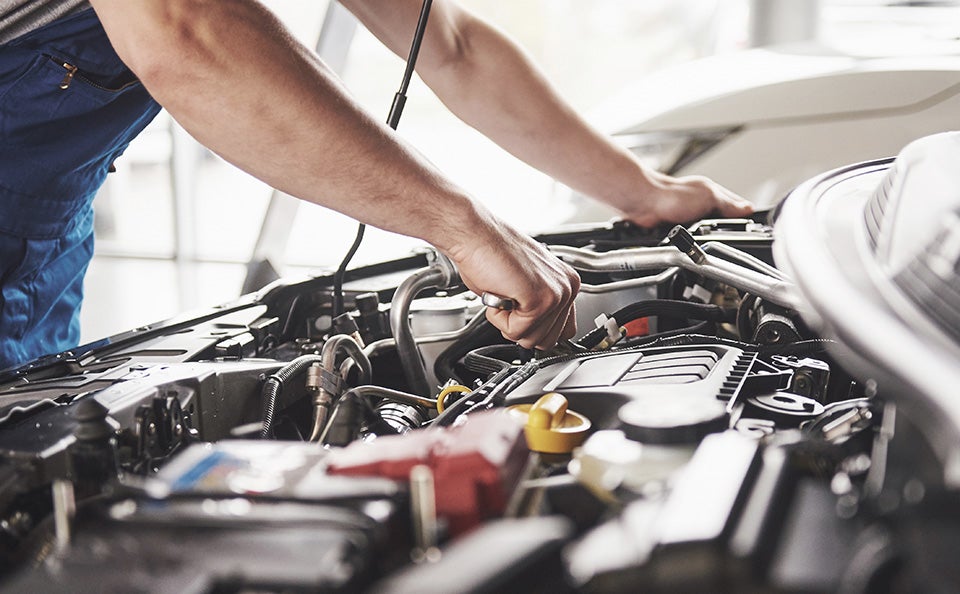
Key Takeaways: Check engine lights can mean transmission issues in Mazda vehicles, so take note when they appear on the dashboard. Shaking or grinding while shifting gears could indicate an underlying problem with either manual or automatic Mazda transmissions. Unusual humming, clunking, and/or whining noises may point to a malfunctioning transmission system. Manual transmissions will sometimes surge without any visible improvement in acceleration, and slipping gear is a possible indicator that worn-out linkages within the gear system need replacement. Draggy clutch due to slack between pedal and flywheel should be addressed promptly for safe driving. Tackling car-related maintenance issues can be an intimidating task, especially for those without any automotive knowledge. However, it may surprise some to learn that many mechanical malfunctions are accompanied by distinct signals - such as noises and sensations - indicating something might not look quite right under the hood. Don't wait until your Mazda's transmission problems spiral out of control - recognize the warning signs and address them as soon as possible. Our experienced mechanic at Cutter Mazda Honolulu can spot subtle issues that you might not be aware of, so make sure to have yours inspected if any concerning symptoms arise. Check Engine Light Check engine lights are the first line of defense in detecting a wide range of issues with your vehicle, from transmission complications to smaller vibrations and jerks that Mazda's array of sensors can pick up. Ensure not to ignore these warning signs when they appear on your dashboard - they could be hiding something important underneath. Shaking or Grinding For manual Mazda vehicles, grinding noises when shifting gears may reveal a clutch issue requiring replacement or repair. Automatic transmissions experiencing delays and increased shaking while entering gear might also have an underlying problem that needs tending to. Humming, Clunking, and Whining Sounds Mazda cars are renowned for their smooth, reliable performance. However, if you detect any unusual humming, clunking, or whining sounds from under the hood while driving your vehicle - it could indicate that something's amiss in its transmission system. Manual transmissions tend to produce a louder and more mechanical noise when a malfunction is present; as well as possible issues with constant velocity joints and differentials too! Unusual Noise When Neutral Malfunctioning transmissions can manifest through a variety of bumps, rattles, and grinding sounds. Generally speaking, these indicate low or dirty transmission fluid. If topping up doesn't alleviate the problem, then further investigation is needed to ascertain whether worn-out components such as bearings, reverse idler gears, or gear teeth need replacement. Low or Leaking Fluid Leaks in your transmission can cause several issues, ranging from diminished performance to complete breakdown. Take swift action when you detect fluid loss. This is because it plays an essential role in lubricating, cleaning, and conditioning the seal within the gearbox. Low levels or lack of hydraulic fluid will result in severe operational problems and total system failure - so keep that level topped up. Car Never Goes to Gear If you're having trouble with your vehicle shifting gears, it could mean that there is a fluid issue or the clutch linkages and shift cables may be worn out. Disconnecting the battery and resetting it helps ascertain whether this resolves the problem - if not, then book an appointment at a local mechanic for further assistance. Hesitation or Refusal to Change Gear Automatic transmissions can often experience hesitation or refusal when attempting to shift into gear. This behavioral issue is common and normally stems from transition-related concerns. Proper transmission maintenance ensures it transitions quickly between the park, drive, and other settings as expected by drivers. Manual transmissions offer a unique connection to the driving experience, but one downside is that their engine RPMs may suddenly surge without any noticeable improvement in acceleration. This issue can often be attributed to wear on your clutch - while it's critical to replace this as soon as possible, there is also potential for underlying issues with other components of the transmission. Slipping Gear Poor transmission behavior can be a major safety hazard. With manual transmissions, problems arise when shifting is effortless and the vehicle slips in and out of gear without prompting; with automatics, it may slide unexpectedly into neutral. Such issues typically stem from worn or broken linkages within the gear system, so it's important to address them promptly for safe driving! Burning Smell Every car's transmission relies on Transmission Oil for peak performance, but when something doesn't smell right it could be a sign of trouble - decreased fluid levels or the wrong type can cause friction and corrosive damage that require costly repairs. Don't take any burning smells lightly; nip possible issues in the bud early to save time and money later. Draggy clutch Changing gears in your vehicle should be a seamless transition, but if you're encountering grinding noises and difficulty shifting into different speeds it could indicate that the clutch disc is failing to disengage. This can result from slack between the pedal responsible for the linkage of the clutch disk and flywheel, causing them to remain attached even when pressing down on the pedal. In Conclusion Transmission problems in Mazda vehicles can indicate serious issues that require immediate attention. It's crucial to check your car regularly and look out for any signs of trouble such as the check engine light, shaking or grinding, unusual humming, clunking and whining, noise when neutral, low or leaking fluid, the car never going to gear, hesitation or refusal to change gear, slipping gear, burning smell and draggy clutch. If you experience transmission issues with your Mazda vehicle, consult a professional technician for appropriate repair services. Be sure to follow the manufacturer's instructions for maintenance and service so you get the most out of your vehicle. Mazda Transmission Service in Honolulu, HI At Cutter Mazda Honolulu, we offer stellar transmission service to keep your vehicle running smoothly. Our experienced and knowledgeable technicians know the ins and outs of transmission repair, employing the latest diagnostic technology to identify and fix any problems quickly yet accurately. Rest assured that every part of your transmission service will be of top-notch quality, as our team takes pride in ensuring that their work is done with ultimate care and precision. Come experience the difference today at Cutter Mazda Honolulu! You may contact our service department at 808-564-9160. Give us a call today! We can't wait to see you.

What You Need to Know About Mazda Certified Pre-owned
Key Takeaways: Each model receives a 164-point inspection from factory-trained technicians, with no more than 6 years of age and a clean vehicle history. CPO models come with an extended 1-year/12K mile bumper-to-bumper warranty beyond the original 3-year/36K mile coverage. 7-year/100K mile limited powertrain warranty with no extra cost, as well as 24/7 roadside assistance, vehicle history report, and 3 months satellite radio access. Drawbacks include extended powertrain coverage not starting over at the purchase date and lack of trip interruption or rental car services in the CPO package. Tips for buying CPO Mazda: Check Warranties & Car Thoroughly; Don't Hesitate to Ask; Visit Cutter Mazda Honolulu for selection & passionate staff! Mazda Certified Pre-owned models are the perfect option for savvy shoppers looking to save money, but not feeling comfortable going all in on a used car. At Cutter Mazda of Honolulu, we offer a great selection of CPO Mazdas to choose from. These vehicles have undergone an intensive 160-point checkup by only factory-trained technicians; ensuring you get peace of mind when buying from them. As they come with quality assurance and cost efficiency, CPOs offer more than just financial benefits. Mazda-certified pre-owned vehicles undergo a thorough vetting process, from vehicle history report to factory-backed bumper and powertrain warranties. Further value comes with special financing deals and 24/7 roadside assistance - all guarantees that the Mazda CPO program truly delivers peace of mind. Here are five things you need to know about this comprehensive certification process. What is the Certified Pre-owned Program and How Does it Work Mazda demands excellence in their certified pre-owned vehicles, ensuring only the best on the market make their rigorous cut. Each model receives a 164-point inspection from factory-trained technicians and must have no more than six years of age and an immaculate vehicle history under its belt. If all criteria are met, only then is Mazda convinced that these models pass with flying colors. The CPO designation provides an unparalleled 1-year or 12,000-mile bumper-to-bumper limited warranty that kicks in beyond the original 3-year/36k-mile coverage. This exceptional protection takes effect at the purchase date if the initial manufacturer's component has expired. Mazda offers a great level of reassurance and value with their cars. New Mazdas come equipped with an impressive 5-year/60,000-mile limited powertrain warranty that's extended to 7 years/100,000 miles on certified pre-owned vehicles - complete without any additional cost! Mazda offers huge on its Certified Pre-owned vehicles, offering 24/7 roadside assistance and a vehicle history report for added peace of mind and free transferability in the case of private ownership. As if that weren't enough incentive to go CPO, drivers also receive three months' access to satellite radio. Benefits of Buying a Mazda Certified Pre-owned Warranty By owning a Certified Pre-owned Mazda, you get to enjoy the peace of mind that comes with long-lasting coverage. With an extended powertrain warranty and bumper-to-bumper protection should any defective materials or craftsmanship be discovered - all your bases are covered! Enjoy superior protection and value with the Mazda CPO warranty. With no deductible on repairs, special deals to save more money, plus transferable coverage at no extra cost - lock in long-term peace of mind for less. Drawbacks of Buying a Mazda Certified Pre-owned Warranty While Mazda Certified Pre-owned Vehicles have incredible benefits, one key drawback of buying such a car is the powertrain warranty coverage. This package does not start over when you purchase your pre-owned vehicle but instead extends from its original purchase date adding only two more years and 40,000 miles after factory warranties end. Mazda's CPO program offers the convenience of towing, key lockout assistance, and emergency gas delivery; however, it does not extend coverage for trip interruption or rental car services - unlike other extended warranties. Tips for Shopping for a Certified Pre-owned Mazda Vehicle Ready to make a car purchase? Check out Mazda's certified pre-owned options! Not only can you save money, but opting for an already existing vehicle helps reduce the need of creating more cars - saving energy and our environment. Mazda stands out as a leader in producing vehicles that bring drivers unparalleled enjoyment. Certified pre-owned Mazdas come with the bonus of giving owners exclusive benefits not found on new models from other manufacturers. Here are some tips for buying your CPO Mazda with confidence. Check the Warranties Mazda drivers can enjoy exceptional protection while on the road: thanks to their generous warranties, they never need to worry about costly surprises. The Japanese carmaker provides comprehensive coverage with its 12-month, 12,000-mile vehicle limited warranty, providing peace of mind and security for every journey behind the wheel. Mazda owners can rest assured that, with a zero deductible policy for covered repairs, any repair costs will be taken care of at no extra expense. No out-of-pocket charges mean you know exactly what to expect from maintenance and repairs. Check the Car Thoroughly Before you sign on the dotted line for purchase, take it for an in-depth test drive. Make sure to sit in all of its seats and pop open that trunk before lifting your hood and taking stock of what's under there - don't forget to call upon a personal mechanic if you want their assurance too! To ensure you're getting the best quality Certified Pre-Owned Mazda car around, don't forget to ask for a copy of its inspection report. Not only does this document provide insight into any repairs that have been made to the vehicle, but it serves as an asset in answering questions about its past - leaving no stone unturned. Mazda makes sure you get the best driving experience possible. Every car is put through a rigorous 160-point inspection before it hits the lot, ensuring any minor issues are addressed and communicated by your local dealership so you can have complete confidence in your next ride. Don't Hesitate to Ask Purchasing a certified pre-owned car is an opportunity to be savvy. An experienced Mazda dealership will have all the answers you need, letting you weigh up potential features or systems with confidence. CPO cars bring with them a certain degree of assurance, but even then it's crucial to be an advocate for yourself. If something does not seem quite right about the performance or handling of your car, don't forget that you have Mazda's generous warranty as a backup - take advantage and ensure everything is up to par. Mazda Certified Pre-owned at Cutter Mazda of Honolulu Ready to step up your ride? Cutter Mazda Honolulu is the spot for you! With an impressive selection of certified pre-owned Mazdas and passionate, knowledgeable staff on hand to help you find the right car at the perfect price, visiting our dealership in Honolulu, HI, will take care of all your automotive needs in one stop. Let us show what we can do - come see us soon!