Blog / Honolulu Mazda Service

Buying a Mazda in Honolulu: A First-Time SUV Buyer Guide

Buying a Mazda in Honolulu for the first time involves more decisions than most shoppers anticipate, and understanding the process before your first dealership visit makes every step feel more manageable. The purchase sequence has a clear logic to it. However, that logic is rarely explained in advance, which means first-time buyers often arrive unsure of what to expect, what to bring, and what questions actually matter. This guide walks through the full process from initial research to delivery day, with particular attention to the details that are specific to buying a new SUV in Hawaii. 

What Does the New SUV Buying Process Actually Look Like? 

The purchase process moves through four phases: research, selection, financing, and delivery. Each phase builds on the one before it, and skipping ahead creates gaps that slow things down later. Research is not just about picking a model. It is about narrowing a model to a specific configuration so that when you arrive at the dealership, you are evaluating real inventory rather than abstract possibilities. 

Selection happens in person. Reading about a vehicle and sitting in it are different experiences. The seat position, sight lines, door weight, and cockpit layout all communicate things that a spec sheet cannot. A test drive on local roads, whether that means surface streets in Kakaʻako or a stretch of the H-1, tells you how the vehicle actually behaves in the conditions you will drive it in every day. Most shoppers who skip the test drive and buy based on research alone discover mismatches they could have caught in twenty minutes behind the wheel. 

Financing follows selection. The dealership's finance team works through your credit application, presents loan or lease options, and walks you through the terms before anything is signed. This phase takes longer than most first-time buyers expect. Bringing required documents in advance shortens the process considerably. Delivery is the final phase, and it is separate from financing. After documents are signed and the vehicle is prepared, a product specialist walks you through the technology, the safety systems, and the connectivity setup so you leave knowing how to use everything the vehicle offers. 

Choosing the Right Trim Without Overbuying or Underbuying 

Mazda SUV trim levels are organized around feature additions, not fundamental character changes. The base trim of any Mazda SUV delivers the same driving feel, the same safety suite, and the same build quality as higher trims. What changes as you move up is the feature set layered on top of that foundation. The question is not which trim is better. The question is which features you will use often enough to justify their cost. 

A useful way to evaluate trim is to start from your daily routine rather than from a feature checklist. Consider how often you drive at night, whether you regularly carry passengers in the rear seat, whether you connect your phone every time you get in the car, and whether you park in tight spaces that would benefit from a surround-view camera. Those answers point toward the features that will actually matter to you. A shopper who drives alone in good weather most of the time and connects via a USB cable does not need the top trim's wireless connectivity and head-up display to be satisfied. A shopper who commutes after dark and parks in a narrow garage downtown will use the adaptive front lighting and parking sensors every single day. 

Mazda's Sport trim covers the fundamentals with no meaningful compromises on safety or build quality. The Select and Premium trims add convenience and technology features that improve daily comfort. A conversation with a product advisor at Cutter Honolulu Mazda about your specific driving habits is the most efficient way to identify where your trim ceiling actually is, without paying for features that will sit unused. 

How Financing Works and What Shapes Your Numbers 

Three variables determine your monthly payment: the amount you borrow, the interest rate applied to that amount, and the length of the loan term. Those three numbers interact with each other in ways that are not always obvious. A lower monthly payment does not always mean a better deal. Extending the loan term reduces the monthly amount but increases the total interest paid over the life of the loan. Understanding how the variables connect helps you evaluate financing options rather than simply accepting the first structure presented. The following points describe how each variable affects the overall cost: 

  • The loan amount is the vehicle's purchase price minus your down payment and any trade-in credit applied. A larger down payment reduces the amount borrowed, which lowers both the monthly payment and the total interest paid. Even a modest down payment has a measurable effect on total cost over a 60 or 72-month term. 
  • The annual percentage rate, or APR, is the annualized cost of borrowing. Buyers with stronger credit histories receive lower rates. Mazda Financial Services sometimes offers promotional APR periods on new models, which can reduce total financing cost significantly compared to standard lending rates. 
  • The loan term is the number of months over which the loan is repaid. Common terms are 48, 60, and 72 months. Shorter terms mean higher monthly payments but lower total interest. Longer terms reduce the monthly amount but extend the period during which interest accumulates. 

Leasing is a separate structure entirely. A lease covers the depreciation of the vehicle during the lease period rather than the full purchase price. Monthly lease payments are generally lower than loan payments on the same vehicle, but at the end of the lease term, the driver does not own the vehicle. Leasing suits drivers who prefer to stay in a newer model on a regular cycle and who keep their annual mileage within the lease agreement's limits. Financing suits drivers who plan to own the vehicle long-term and who want to build equity in the asset over time. 

What Hawaii Buyers Should Know Before They Sign 

Hawaii applies the General Excise Tax to vehicle purchases rather than a traditional sales tax. The GET rate in Honolulu is 4.712 percent, applied to the vehicle's purchase price. That figure is separate from registration fees, documentation fees, and any dealer-installed accessories added to the purchase agreement. First-time buyers who budget only for the vehicle price often arrive at the finance office surprised by the total out-the-door number. Knowing these costs in advance removes that friction. 

Vehicle registration in Hawaii is handled through the City and County of Honolulu and involves an annual fee structure based on vehicle weight. New vehicle registration also involves a one-time title fee. These amounts are not large individually, but they add to the out-the-door total in ways that a mainland buying guide will not mention. Asking the finance team for a complete itemized breakdown of all fees before signing gives you a clear picture of the full purchase cost. 

Inventory on Oʻahu functions differently than it does on the mainland. Island dealers work with a set allocation of vehicles per model cycle, and popular configurations in high-demand colors can sell before a replacement unit arrives. Buyers who find the exact configuration they want in current inventory benefit from moving forward with a reasonable level of confidence rather than waiting for a different unit that may not arrive on a predictable timeline. If a specific color or package combination is not available, the finance team can discuss order and allocation options. 

What Should First-Time Buyers Expect on Delivery Day? 

Delivery day is the longest single visit in the purchase process for most buyers. The combination of final document signing, vehicle preparation, and the product walkthrough typically takes two to three hours from arrival to departure. Arriving with that time frame in mind, rather than expecting a quick handoff, makes the experience more comfortable. The following items cover what to bring and what to expect when you arrive: 

  • Bring a valid driver's license, proof of insurance, and your down payment in the agreed form. If you are trading in a vehicle, bring the title if you have it available, along with any loan payoff information for a vehicle with an outstanding balance. 
  • The finance office portion involves reviewing and signing the purchase agreement, the financing contract, and any warranty or protection plan documents you have chosen. Read each document before signing. The finance manager expects questions and will walk through any section that needs clarification. 
  • After documents are complete, a product specialist will walk you through the vehicle. This covers the infotainment system, the driver assistance features, the connected services setup, and the physical controls. This walkthrough is genuinely useful and worth engaging with fully, especially for buyers who are new to Mazda's technology layout. 

Leaving delivery day with a clear understanding of the vehicle's systems means you can use everything from day one rather than spending the first week figuring out settings in a parking lot. Cutter Honolulu Mazda's team is also available after delivery for any follow-up questions, whether that means a second walkthrough of the technology or a clarification on a document detail. The purchase does not end at delivery, and the relationship with the dealership continues well beyond it. 

Posted in:

Related Posts

Remove Car Window Fog Hot Weather in Honolulu Safely

Remove car window fog hot weather problems in Honolulu by first finding which side of the windshield holds the moisture. Furthermore, summer humidity can create fog even when the air outside feels warm. Strong cabin cooling can chill the glass enough for moisture to collect on the outer surface. By contrast, interior moisture can form for a different reason. Therefore, the fastest response starts with locating the condensation before changing any climate controls. Why Does a Windshield Fog in Hot Weather? Summer windshield fog forms when humid air reaches glass that has cooled below the surrounding dew point. Dew point is the temperature where airborne moisture starts turning into liquid droplets. Because air around Honolulu often carries substantial moisture, a cold windshield can cross that threshold quickly. Meanwhile, your Mazda air conditioner cools the cabin and the windshield near the dashboard vents. Warm humid air remains outside. If the outer glass becomes cool enough, water can gather across the exterior surface. The result can look much like interior fog from the driver seat. more Why can this happen during a sunny drive? Heat outside does not prevent condensation when the glass itself stays cooler. Instead, the temperature difference between the glass and nearby air controls when droplets form. Therefore, a heavily cooled cabin can contribute to exterior fog during humid weather. By contrast, interior fog follows the same moisture principle from the opposite side. Moist cabin air reaches cooler glass, then droplets collect inside. Wet clothing, damp floor mats, and passengers can raise cabin moisture. In addition, recirculated air can keep that moisture inside longer. Is the Fog Inside or Outside Your Windshield? The wet surface identifies whether you need cabin dehumidification or exterior clearing. Therefore, before changing several controls at once, find where the moisture sits. That small check can save time and keep your attention on visibility. If the wipers clear the cloudy area immediately, the moisture is probably outside. For this reason, exterior fog usually leaves a clean path where the wiper blade passes. However, the cloudiness may return if the glass stays much cooler than the outdoor air. Interior fog will remain after the wipers sweep. While parked safely, you can also touch the inside glass near the edge. A damp interior surface points toward moisture inside the cabin. Therefore, once you know the location, use the matching response: Exterior moisture calls for the wipers first. A slight cabin temperature adjustment can also reduce the glass temperature gap. Interior moisture calls for dry airflow across the windshield. Air conditioning and fresh air intake can reduce moisture inside the cabin. Persistent fog on both sides deserves closer attention. Dirty glass, trapped cabin moisture, or weak HVAC operation may be involved. Because visibility can change quickly, avoid experimenting with several settings while moving through traffic. Instead, use the simplest response that matches the wet surface. Pull over safely if the windshield becomes too cloudy to see through clearly. How Mazda Climate Controls Clear Interior Fog Mazda windshield defogging directs airflow toward the glass and can use air conditioning to dry that air. Furthermore, the air conditioner does more than lower cabin temperature. It also removes moisture as cabin air passes across the cold evaporator. Consequently, drier air reaches the windshield vents after moisture leaves the moving air. That airflow can absorb moisture near the interior glass. Therefore, air conditioning can support defogging even when you do not want a colder cabin. Why does fresh air matter during interior fog? Recirculation keeps using air already inside the cabin. If passengers, damp clothing, or wet mats have raised cabin moisture, that same air may stay humid. Fresh air intake replaces part of that trapped moisture with outside air. However, outdoor air can also carry plenty of moisture during Honolulu summers. Interior moisture can still rise above outdoor levels when several people occupy the car. For this reason, the fresh air setting can support clearing when recirculation leaves the glass cloudy. Moreover, temperature matters during windshield clearing. Very cold air can make the windshield colder, which may encourage exterior moisture. Therefore, use enough cooling to dry cabin air without making the glass unnecessarily cold. A moderate temperature setting can keep interior clearing effective while reducing exterior condensation. How to Clear Exterior Fog Without Overcooling the Glass Exterior fog forms when humid outdoor air meets glass that is colder than the surrounding dew point. The wipers can remove those droplets because the moisture sits outside. However, wiping alone may not stop new droplets from forming. Why can the fog return seconds later? The glass may still be cold enough for fresh moisture to condense. Therefore, the next step is reducing the temperature difference across the windshield. Raise the cabin temperature slightly if the interior feels very cold. You can also reduce aggressive cooling near the windshield. Consequently, these changes let the glass warm gradually while the wipers maintain a clear view. In addition, fresh air can reduce the sharp temperature difference between the cabin and outside air. A moderate fan setting can keep the cabin comfortable without chilling the glass as strongly. Avoid turning the cabin hot in one sudden move. A smaller adjustment gives you more control and keeps the drive comfortable. The goal is clear glass with less temperature contrast, not a dramatic cabin temperature swing. Still, exterior fog that appears every morning may follow the same route and humidity pattern. Therefore, note when it forms and how quickly the wipers clear it. That pattern can show whether the issue follows weather or another concern. What to Check Before a Humid Honolulu Drive Clear glass starts before you leave the parking space. A clean windshield gives moisture fewer dirty spots where droplets can collect. Film from interior cleaners, fingerprints, smoke residue, or dust can make haze look worse. Additionally, cabin moisture deserves a quick check. Damp towels, beach gear, umbrellas, or floor mats can add water vapor inside the car. Removing or drying those items can reduce interior fog later. Before driving, review a few visibility items: Clean both sides of the windshield with a glass safe cleaner. Clear glass makes new condensation easier to identify. Check the wiper blades for streaking or chatter. Exterior fog clears faster when the blades maintain even contact. Confirm that windshield airflow responds when selected. Weak airflow can make interior moisture slower to clear. Furthermore, know where the fresh air and recirculation controls are located before visibility drops. Learn how your Mazda directs airflow toward the windshield. Familiar controls require less attention when fog appears unexpectedly. Even so, persistent fog despite clean glass and correct climate settings may warrant an HVAC inspection. Weak airflow, drainage trouble, or another climate control concern may need diagnosis. Cutter Mazda Honolulu can inspect the components involved in cabin airflow and windshield clearing. Remove car window fog hot weather problems by matching the response to the moisture location. Honolulu humidity can create both interior and exterior condensation. A quick surface check, correct airflow, clean glass, and sound wipers can keep your view clearer throughout summer driving.

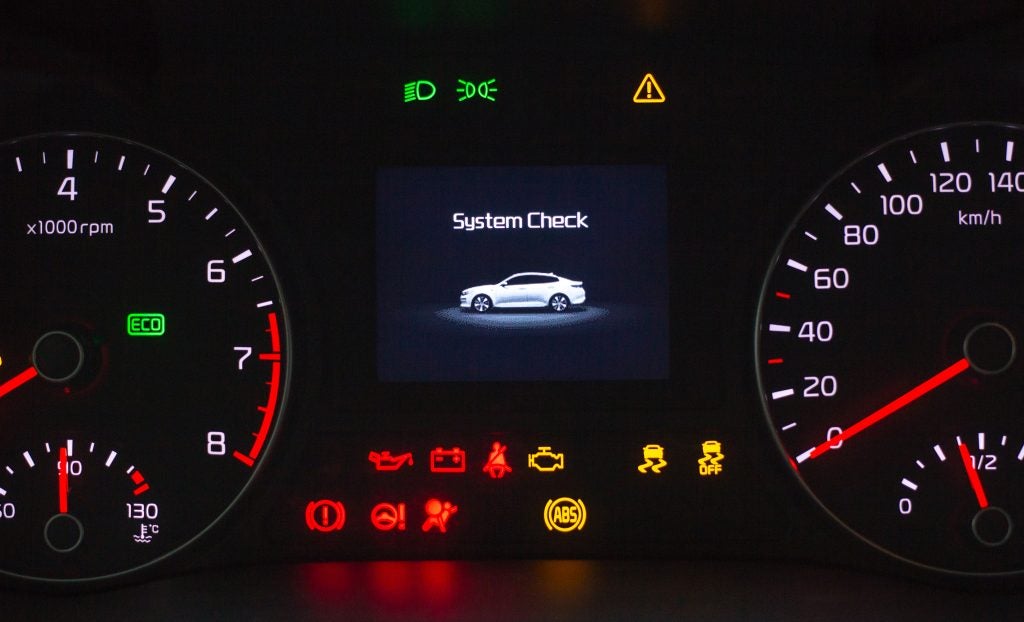
Mazda Warning Light Meanings for Honolulu Area Drivers

Mazda warning light symbols give Honolulu drivers an early notice when a vehicle needs attention. Each symbol points toward a specific part or operating concern. In addition, color, shape, and light movement add context. Therefore, read every clue before choosing your next step. A dashboard alert does not always identify one exact repair. Instead, it tells you where to begin checking. Furthermore, the information display may show a written message. Because Mazda models and years differ, your owner’s manual remains the correct guide. Read the Shape Before You React A warning symbol identifies the area that needs attention. First, look at the shape around the image. Then note the color and whether the light stays on or flashes. These details narrow the possible meaning. Still, some images look similar at a quick glance. However, the outline around an exclamation mark changes its meaning. A tire shaped outline points toward tire pressure. A triangle usually works as a broader master alert. more Next, read any message shown beside the gauges or on the center display. Moreover, that message may name the concern or provide an action. In addition, listen for warning chimes and note when they begin. Do not stare at the dashboard while moving through Honolulu traffic. Instead, find a safe place to stop when the alert needs closer review. Afterward, photograph the symbol and written message. That record can be useful if the light later disappears. Understand the Mazda Exclamation Mark The Mazda exclamation mark can appear inside more than one shape. The surrounding outline tells you which alert you are viewing. Therefore, identify the full symbol before checking tire pressure or contacting service. An exclamation mark inside a tire outline points toward the tire pressure monitor. For this reason, one or more tires may need a pressure check. Additionally, a recent temperature shift may change pressure readings. Check every tire with a reliable gauge after the tires cool. If a tire looks damaged or nearly flat, avoid driving farther. Install the spare when your Mazda includes one and safe installation is possible. Otherwise, request roadside assistance. A triangle with an exclamation mark is commonly called the master warning light. It usually appears with another message or alert. Therefore, read the display before assuming which part needs attention. The master light does not name one single fault. Instead, it directs you toward more information. Moreover, the written message may request service, identify an open panel, or report another vehicle concern. Know When to Stop Driving Some warning lights call for immediate care. Red brake, oil pressure, charging, or high temperature alerts deserve a prompt response. However, the exact instruction must match your Mazda manual. Move away from traffic when steering, braking, or engine response feels unusual. In addition, turn on the hazard lights and stop on level ground when possible. Then place the transmission in Park and switch off the engine. Several signs require an immediate stop. Stop when the brake pedal feels soft, sinks lower, or needs unusual pressure. Stop when steam appears, temperature climbs, or a hot odor enters the cabin. Stop when the engine knocks, loses power, or produces a harsh mechanical sound. Do not open a hot cooling cap. Because hot coolant can escape under pressure, opening the cap can cause severe burns. Also, do not continue driving with a red oil pressure alert. Low oil pressure can damage internal engine parts quickly. After parking, review the manual and contact roadside assistance or Mazda service. Consequently, you avoid guessing when the vehicle shows signs that need trained inspection. Give Amber Alerts Prompt Attention An amber light usually requests inspection soon. Nevertheless, it deserves attention even when the vehicle still moves normally. The symbol, message, and driving response still guide the timing. A steady check engine light can point toward an engine, emissions, transmission, fuel level, or fuel cap concern. First, check whether the fuel cap is secure. Then note any rough running, reduced power, smoke, or unusual smell. A flashing check engine light needs faster attention than a steady light. Reduce speed and avoid hard acceleration. Find a safe place to stop when the engine runs poorly or the light keeps flashing. Tire pressure, safety feature, key, and all wheel drive alerts may also appear in amber. Still, some lights clear after the concern is corrected. Record when the alert appeared and whether it returned. Honolulu heat, traffic, road debris, and short trips can shape when a light appears. Even so, only inspection and diagnostic testing can identify the cause. Do not replace parts based only on an online symbol chart. Record Details Before Calling Mazda Service Clear notes give the service team a stronger starting point. Begin with the exact symbol, its color, and any written dashboard message. Furthermore, state whether the light remained steady or flashed. In addition, record the time, mileage, and road setting. Note whether the Mazda was starting, idling, accelerating, braking, or climbing a hill. Also mention recent fuel stops, tire work, battery replacement, or maintenance. Before calling, gather these details: Share the Mazda model, model year, mileage, and vehicle identification number. Describe sounds, smells, shaking, steering changes, or reduced engine response. Explain when the light began, how long it stayed on, and whether it returned. Do not clear stored codes before an appointment unless a technician requests that step. Furthermore, stored fault information can support diagnosis. Additionally, keep photographs of the dashboard message for the service advisor. Cutter Mazda Honolulu provides vehicle diagnostics, inspections, maintenance, and repairs at its Ala Moana Boulevard service center. Sharing complete notes can make the first conversation more focused. Use the Correct Mazda Manual The owner’s manual gives guidance for your exact Mazda model and year. Dashboard symbols can differ across instrument clusters, trims, and powertrains. Therefore, a generic chart should never replace the manual. Use the manual’s warning light index to match the symbol. Next, read every caution and listed action. Some entries separate a steady light from a flashing light. By contrast, others direct the driver to stop or arrange an inspection. Mazda also provides online manuals with searchable warning light sections for many recent models. Therefore, confirm the model year before following those instructions. In addition, compare the symbol with the image shown in the manual. A warning light should lead to a calm, careful response. Identify the symbol, read the message, and note how the Mazda feels. Then follow the manual and seek service when directed. Clear information keeps the next step easier to understand.